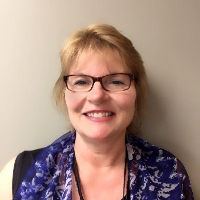
Diane Hendricks, LCSW, LSCSW
Licensed in Missouri · 15 years in practice
Diane Hendricks is a Licensed Clinical Social Worker with 15 years of experience helping people manage stress, anxiety, depression, trauma, and grief.
License and registration
- LCSW, Missouri
- 001441 · expires September 2027
- LSCSW, Kansas
- LSCSW 06582 · expires October 2026
- NPI
- 1891223558 · national provider identifier
- Years in practice
- 15
- Languages
- English
Details are as listed on the therapist's public professional profile. You can check any license with the state board and any NPI with the national registry.
About Diane
Diane Hendricks is a Licensed Clinical Social Worker with 15 years of experience helping people manage stress, anxiety, depression, trauma, and grief. She works with concerns like addiction, self-esteem, relationship and intimacy issues, parenting strain, ADHD, and career stress. Diane emphasizes a warm, down-to-earth approach that aims to make hard conversations feel manageable.
Diane met her graduate training at the University of Kansas and holds clinical social work licenses in Missouri and Kansas.
Background and approach
Much of her work has been in psychiatric settings, including hospice care and support for veterans and first responders. She has also worked with LGBTQ people and with older adults in senior counseling roles. Her style is client-centered.
She listens first, then helps people find practical ways to cope and move forward. She balances empathy with clear, sensible tools so clients can try small changes between sessions. Diane draws on a mix of approaches including cognitive behavioral techniques to spot unhelpful thinking, emotionally-focused work to improve relationships, and mindfulness to anchor difficult feelings.
She pairs those methods with straightforward conversation and occasional humor when it feels right. People meet Diane for many reasons - trauma, grief, chronic illness, codependency, body image, or work burnout. She aims to create a space where someone can name what hurts, test new ways of responding, and build steady routines that support recovery and growth.
Focus areas and approaches
Everything Diane lists on their public professional profile, in their own terms.
- Stress, Anxiety
- Trauma and abuse
- Grief
- Self esteem
- Depression
- Addictions
- LGBT
- Relationship issues
- Family conflicts
- Intimacy-related issues
- Parenting issues
- Anger management
- Career difficulties
- Bipolar disorder
- Coping with life changes
- Coaching
- Compassion fatigue
- ADHD
- Abandonment
- Aging and geriatric issues
- Attachment issues
- BDSM, kink, and alternative sex culture
- Blended family issues
- Body image
- Cancer
- Caregiver issues and stress
- Chronic pain, illness, and disability
- Codependency
- Communication problems
- Control issues
- Coping with natural or human-caused disaster
- Dependent personality
- Dissociation
- Divorce and separation
- Domestic violence
- Emptiness
- Family of origin issues
- Family problems
- Fertility issues
- First responder issues
- Forgiveness
- Guilt and shame
- HIV / AIDS
- Hoarding
- Hospice and end-of-life counseling
- Infidelity
- Isolation / loneliness
- Jealousy
- Life purpose
- Midlife crisis
- Veteran and Armed Forces Issues
- Money and financial issues
- Mood disorders
- Multicultural concerns
- Narcissism
- Panic disorder and panic attacks
- Post-traumatic stress
- Seasonal Affective Disorder (SAD)
- Self-harm
- Self-love
- Sex addiction
- Sexual assault and abuse
- Sexuality
- Social anxiety and phobia
- Somatization
- Women's issues
- Workplace issues
Approaches Diane names
- Client-Centered Therapy
- Cognitive Behavioral Therapy (CBT)
- Emotionally-Focused Therapy (EFT)
- Existential Therapy
- Mindfulness Therapy
- Motivational Interviewing
- Trauma-Focused Therapy
Naming an approach is not evidence of training in it. This directory copies what each therapist lists and does not check training records.
Online support
How Diane’s Approaches Translate to Online Therapy
Client-centered therapy focuses on listening and collaboration, letting the person guide the pace and topics of sessions while the therapist reflects back what matters most. This approach helps when someone needs a steady, empathetic space to talk through painful feelings or life changes.Cognitive Behavioral Therapy, or CBT, breaks problems into thoughts, feelings, and actions and teaches concrete steps to shift unhelpful patterns. It is useful for anxiety, depression, and stress because it offers exercises and small experiments people can practice between sessions.
Emotionally-Focused Therapy concentrates on emotions and attachment patterns that shape relationships. It helps people name core feelings, communicate them more clearly, and change interaction patterns that lead to repeated conflict or disconnection.
Finding the right mix of approaches is part of the work. Diane will talk with each person about their goals, try options that fit their needs, and adjust over time so therapy feels useful and relevant. That collaborative process helps shape what happens in online sessions as well as in-person ones.
Online sessions are offered by video calls, phone, live chat, or text-based messaging to fit different schedules and preferences. Video is good for longer talk sessions, phone can be easier when bandwidth is limited, and chat or messaging work well for brief check-ins or written reflection. These options make it simpler to keep therapy consistent while balancing work, caregiving, or medical needs.
We will earn a commission if you sign up through our link, at no cost to you. It does not change what you pay or the order of the listings.
Questions people ask
What kinds of concerns does Diane support?
She helps people facing stress, anxiety, depression, trauma and abuse, grief, addictions, relationship and intimacy issues, parenting strain, ADHD, and related concerns like codependency and body image.
How would you describe her therapy style?
Diane uses a client-centered style that starts with listening. She offers practical techniques, gentle feedback, and works at a pace that fits the individual.
What is her professional background?
She has 15 years of experience, has worked in psychiatric settings including hospice and veteran support, and has experience with the LGBTQ community and senior counseling.
Where is Diane licensed and based?
She is licensed as a LCSW in Missouri and as an LSCSW in Kansas, and practices with a focus on clients in Kansas.
Which languages are sessions offered in?
Sessions are offered in English.
What session formats are available?
Sessions can be conducted by video calls, phone sessions, live chat, or text-based messaging.
How is cost handled for sessions?
Cost varies with location and therapist availability; sessions use a subscription that can be canceled at any time.
How do I begin working with Diane?
Start by selecting the Start Therapy button, complete a short matching questionnaire, and then schedule sessions according to the therapist's availability.
More therapists in Kansas
See allLauren Moret-Glass
LSCSW, LCSW
Practical, respectful therapy for life changes
- Stress, Anxiety
- Relationship
- Trauma and abuse

Kimberly Johnson
LSCSW, LCSW
Practical support for stress and life changes
- Stress, Anxiety
- Parenting
- Self esteem
D'Ambra Ramsey
LCSW, LSCSW
Warm, practical therapy for everyday challenges
- Stress, Anxiety
- Relationship
- Intimacy-related issues
Jenny Infanger
LCSW
Mindful, practical therapy for everyday struggles
- Stress, Anxiety
- Relationship
- Trauma and abuse

Is this your profile?
Ask us to correct details or take the page down.
Contact us