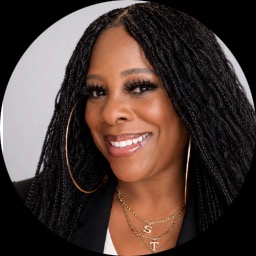
Tinita Samuels
LCSW
Compassionate, practical support for emotional challenges
- Stress, Anxiety
- Grief
- Anger
Clinical social work directory
5,723 therapists list coping with life changes among the things they work with. All offer sessions online, and every profile shows the registering body, the membership number and when it runs to.
This page lists licensed clinical social workers (LCSWs) who identify coping with life changes as a focus. Browse the listings below to review approaches, languages, credentials, and clinical experience to find a good fit.
LCSW
Compassionate, practical support for emotional challenges
LCSW
Compassionate, practical therapy for stressed parents and adults
LICSW, LCSW
Calm, steady support for life’s hard changes
LCSW
Compassionate, practical support for life transitions
LCSW
Compassionate support for addiction and trauma recovery
LCSW
Compassionate social worker focused on practical change
LCSW
Calm guidance for grief, anxiety, and relationship struggles
LCSW
Experienced LCSW supporting life changes
LCSW
Person-centered care with practical tools
LCSW
Helping people navigate stress and relationship pain
LCSW
Compassionate practical support for everyday challenges
LCSW
Compassionate therapist helping people build stronger coping skills
LCSW
Restorative, practical therapy for everyday challenges
LCSW
Practical, strengths-based help for life changes
LCSW
Compassionate, practical therapy for addiction and mood issues
LCSW
Forward-focused therapist for practical change
LCSW
Compassionate, strengths-based therapy for life transitions
LCSW
Trusted Mississippi LCSW for life transitions
LCSW
Compassionate LCSW for practical coping skills
LCSW
Compassionate social worker focused on real-life change
LCSW
Practical support for stress and relationship strain
LCSW
Practical, respectful therapy focused on real life
LCSW
Practical, grounded support for life's hard seasons
Experienced social worker and clinician
LCSW
Practical, evidence-based support for stress and trauma
LCSW
Practical, respectful therapy for everyday struggles
LCSW
Calm, practical support for everyday struggles
LCSW
Compassionate, practical therapy for everyday struggles
LICSW, LCSW, CSW
Practical, compassionate support for life transitions
LCSW
Practical, client-focused support for life changes
LCSW
Experienced LCSW offering practical, nonjudgmental therapy
LCSW, CSW
Compassionate support for trauma and addiction recovery
LCSW
Practical, relationship-focused mental health support
LCSW
Practical, steady care from an experienced LCSW
LCSW
Calm support for stress and life changes
Some links on this page are partner links. We will earn a commission if you sign up through one, at no cost to you. It does not change what you pay or the order of the listings.
Coping with life changes describes the emotional, practical, and social adjustments people make when roles, routines, relationships, work, health, or living situations shift. These transitions can be expected events such as retirement, becoming a parent, relocating, or graduating, or they can be unexpected, like job loss, relationship endings, caregiving responsibilities, or significant health news. You may notice that changes reverberate through day-to-day tasks, decision-making, your sense of identity, and your relationships. It is common for someone experiencing a major change to feel overwhelmed, uncertain, or less resilient than usual.
Licensed clinical social workers bring a distinct perspective that looks beyond internal symptoms to the person-in-environment context. That means an LCSW will consider not only how you are feeling but also how your housing, work, finances, family, cultural background, and community resources interact with the transition you are facing. If practical barriers like transportation, caregiving demands, or access to support shape how you cope, a social worker’s training is designed to address those realities alongside emotional work. Knowing the interplay between your circumstances and your inner experience can make it easier to identify realistic strategies that fit your life.
You might be looking for help if changes in your life are affecting daily functioning, your relationships, or your sense of purpose. Difficulty sleeping, persistent sadness or anxiety, trouble concentrating, withdrawal from friends and family, or increased use of substances can all signal that a transition is harder to manage than expected. You may also notice changes in how you make decisions, increased conflict at work or home, or a growing sense of isolation. Sometimes the sign that you could benefit from professional support is simply feeling stuck - wanting to move forward but unsure of the first step.
An LCSW can be particularly helpful if social or practical factors are part of the stress you are facing. If housing instability, financial strain, immigration concerns, caregiving obligations, or problems accessing services are complicating your transition, look for an LCSW who acknowledges those factors and integrates them into clinical work. Because licensing and scope of practice vary by state, an LCSW can also help you understand what community resources, benefits, or supports might apply in your area while providing therapeutic guidance on coping and adaptation.
When you begin sessions with a licensed clinical social worker for life transitions, you can expect a blend of emotional exploration and practical planning. Early sessions typically involve a careful intake where the LCSW asks about the change you are facing, how it is affecting your daily life, and what supports or barriers exist. You will talk about your goals - whether that is reducing anxiety, rebuilding routines, improving communication with loved ones, making a major decision, or identifying community resources - and the LCSW will tailor the process around those priorities.
Therapy for life changes often alternates between processing feelings related to loss, grief, or identity shifts and developing concrete coping strategies. You may work on clarifying values, setting attainable short-term goals, improving problem-solving skills, and rehearsing conversations or transitions. An LCSW’s training in systems and community resources means sessions may include help connecting with legal aid, housing programs, benefits navigation, or support groups when those are relevant. You should expect a practical, person-centered approach where both emotional support and real-world solutions are part of the work.
Practitioners who help with life transitions draw on a range of approaches to meet different needs. Cognitive-behavioral strategies are frequently used to identify unhelpful thinking patterns and develop coping skills that reduce distress. Narrative work can help you reframe the story you tell about a change and discover new meanings. Emotion-focused approaches give space to process grief and loss that accompany many transitions. Solution-focused methods emphasize immediate, achievable steps when you need quick practical progress. In addition, some practitioners integrate family systems perspectives to address how a transition affects relationships and roles.
On this directory you will find licensed clinical social workers who list a variety of approaches among their practice methods. Those listings are a starting point to understand how an LCSW frames their work, but they do not indicate a specific certification or level of training in a modality. When you read profiles, pay attention to how a provider describes the fit between their approach and the kinds of life changes you are navigating. That will help you decide which clinician’s way of working resonates with your goals and situation.
Online sessions with a licensed clinical social worker can make it easier to get help while you manage busy schedules, caregiving responsibilities, or mobility limitations. Virtual sessions typically use video or phone communication to allow you to speak with an LCSW from home, work, or another convenient location. You can expect many of the same components as in-person care - assessment, collaborative planning, emotional processing, and connection to resources - adapted for a remote format. Technology can also allow for flexible scheduling and shorter check-ins when you need targeted support.
Because licensing is state-based, an LCSW’s ability to provide online services can depend on where you and the clinician are located. The scope of practice and permitted services vary by state board, so it is helpful to review state-specific licensure notes on a therapist’s profile. Online settings may also change how you and your clinician handle practical tasks. For example, an LCSW might spend part of a session helping you access local supports or coordinate with community organizations near you. When you choose online sessions, think about the environment where you will speak - a quiet, distraction-free place where you feel comfortable sharing can make remote work more effective.
When you are comparing profiles, focus on factors that matter most to your transition and daily life. Look at practice focus areas to find LCSWs who list life transitions, grief, relationship change, career shifts, or similar topics. Consider the approaches a clinician describes and whether that way of working feels compatible with how you like to process change. Review languages spoken, populations served, and years of clinical experience to identify clinicians who might understand your cultural background or life stage.
Remember that an LCSW’s license is issued and overseen by a state board; typical requirements include a master’s degree in social work, a state-set period of supervised post-graduate clinical experience - commonly around two to three years and several thousand hours - and passage of a clinical licensing exam. Because scope of practice and titles vary by state, note any licensure details listed on a profile so you know how a clinician’s practice is regulated in your state. Finally, prioritize how a provider describes working with the social and practical aspects of transitions. If access to housing, finances, caregiving, or community resources is part of your challenge, choose an LCSW who explicitly integrates person-in-environment thinking into their description so you can address both emotional and life-context needs.
Finding the right fit can take time, but refining your search by focus, approach, languages, and life experience will help you identify an LCSW whose clinical orientation and practical knowledge align with the changes you are facing. Use the information on each profile to form a short list of clinicians whose backgrounds and descriptions feel relevant, and prioritize those whose way of working matches how you hope to move forward through a life transition.