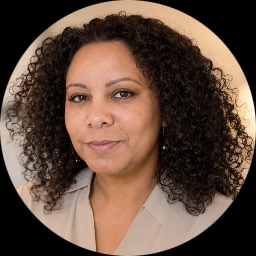
Deneta Jones-Udefi
LCSW
Practical support for relationships and personal growth
- Relationship
- Parenting
- Self esteem
Clinical social work directory
5,303 therapists list relationship among the things they work with. All offer sessions online, and every profile shows the registering body, the membership number and when it runs to.
This page lists licensed clinical social workers who focus on relationship concerns, including couples, family, and interpersonal issues. Browse the listings below to explore profiles, focus areas, approaches, languages, and experience.
LCSW
Practical support for relationships and personal growth
LCSW
Compassionate, practical therapy for stressed parents and adults
LICSW, LCSW
Calm, steady support for life’s hard changes
LCSW
Compassionate social worker focused on practical change
LCSW
Calm guidance for grief, anxiety, and relationship struggles
LCSW
Compassionate guidance for relationship and self issues
LCSW
Compassionate care for life’s hard moments
LCSW
Experienced LCSW supporting life changes
LCSW
Person-centered care with practical tools
LCSW
Helping people navigate stress and relationship pain
LCSW
Compassionate therapist helping people build stronger coping skills
LCSW
Restorative, practical therapy for everyday challenges
LCSW
Compassionate, practical support for life challenges
LCSW
Compassionate social worker focused on practical change
LCSW
Experienced LCSW offering steady practical support
LCSW
Practical, strengths-based help for life changes
LCSW
Compassionate, practical therapy for addiction and mood issues
LCSW
Forward-focused therapist for practical change
LCSW
Practical, values-focused therapy for life problems
LCSW
Compassionate, practical care for everyday struggles
LCSW
Compassionate, strengths-based therapy for life transitions
LCSW
Trusted Mississippi LCSW for life transitions
LCSW
Compassionate LCSW for practical coping skills
LCSW
Compassionate social worker focused on real-life change
LCSW
Practical support for stress and relationship strain
LCSW
Practical, respectful therapy focused on real life
LCSW
Practical, grounded support for life's hard seasons
LCSW
Calm, practical therapy for everyday challenges
Experienced social worker and clinician
LCSW
Practical support for stress and relationships
LCSW
Practical, respectful therapy for everyday struggles
LCSW
Compassionate, practical therapy for everyday struggles
LCSW
Experienced LCSW providing steady support
LICSW, LCSW, CSW
Practical, compassionate support for life transitions
LCSW
Practical, client-focused support for life changes
LCSW
Experienced LCSW offering practical, nonjudgmental therapy
LCSW, CSW
Compassionate support for trauma and addiction recovery
LCSW
Practical, relationship-focused mental health support
LCSW
Practical, steady care from an experienced LCSW
LCSW
Calm support for stress and life changes
Some links on this page are partner links. We will earn a commission if you sign up through one, at no cost to you. It does not change what you pay or the order of the listings.
Relationship concerns cover a wide range of situations - conflict between partners, difficulty communicating, changes after major life events, blended family challenges, or recurring patterns that leave you frustrated or disconnected. For many people, these issues are not isolated to the interaction between two people. They are tied to work stress, housing or financial pressures, health changes, caregiving roles, and community circumstances. Licensed clinical social workers, or LCSWs, are trained to see that bigger context. That person-in-environment perspective means an LCSW will typically consider how external conditions and interpersonal dynamics interact, rather than looking only at internal states.
When relationship difficulties persist they can influence sleep, work performance, parenting, and social life. You might notice that arguments recycle around the same themes, that emotional distance grows, or that past hurts keep resurfacing. Sometimes problems emerge after positive transitions - a new baby, a move, or retirement - when roles shift and expectations change. Other times, a specific event such as infidelity, loss, or illness uncovers long-standing vulnerabilities. Recognizing that these patterns have causes both inside the relationship and in the environment around it helps you and a clinician work toward realistic, sustainable changes.
You may be thinking about seeking help if conversations escalate quickly, if attempts to resolve conflict leave you feeling unheard, or if emotional distancing becomes a default response. You might notice repeated arguments about money, parenting, sex, or division of labor that never reach resolution. For some people the signs are less dramatic - a persistent undercurrent of dissatisfaction, loss of intimacy, or avoidance of meaningful topics. You might also be concerned about how a relationship is affecting your mood, sleep, concentration, or physical health.
Another common sign is when life transitions or external pressures change the balance of a relationship. When one partner faces a job loss, chronic health condition, or caregiving responsibility, roles and expectations often shift in ways that can strain communication and mutual support. If cultural, religious, or familial expectations create conflict about values or roles, an LCSW’s attention to context can help you navigate those pressures. You do not need a crisis to seek help; many people pursue relationship work to strengthen communication, rebuild trust after a breach, or learn new patterns of relating before problems worsen.
When you meet with an LCSW for relationship work, sessions typically begin with an assessment of what brings you and how the relationship functions day to day. The clinician will gather information about histories, strengths, stressors, and goals. If you are coming with a partner, family member, or other person, early sessions often include time to hear each perspective and to identify the most important goals for the work. If you come on your own, the clinician will focus on the parts of the relationship that most affect you and discuss options for individual or joint sessions.
Sessions are guided by collaboration. You and the LCSW will develop goals that are specific and measurable when possible - for example improving listening during disagreements, reallocating household responsibilities, or building strategies for reconnecting. Because LCSWs emphasize the person-in-environment view, you can expect conversations that link interpersonal dynamics to external factors like work schedules, financial stress, cultural expectations, or community supports. Progress is often gradual; clinicians will introduce communication exercises, decision-making strategies, and behavioral experiments you can try between sessions. You should expect to discuss logistics too - session length, frequency, fees, and how records and communication are handled - so the practical parts of care fit your life.
You will encounter many therapeutic approaches listed by clinicians, and it is useful to keep in mind that the directory records what a clinician lists rather than proving certification or length of study in a method. Many LCSWs list approaches such as Emotionally Focused Therapy, cognitive-behavioral strategies, narrative work, structural or systemic family approaches, or approaches grounded in attachment theory. When an LCSW indicates an approach on their profile, it signals the kinds of interventions they often employ, such as focusing on emotion patterns, communication skills, or relational roles.
What distinguishes the LCSW perspective is not the specific technique but the broader lens for assessment and planning. You can expect attention to social determinants of well-being - housing, work, social supports, and access to services - alongside interpersonal patterns. That means an LCSW may integrate resources beyond session work, helping you identify community supports, parenting resources, or referrals for legal or financial consultation when those factors shape relationship stress. Because scope of practice and licensing details vary by state, LCSWs practice under state boards that set standards for clinical work. This ensures that the clinician’s role in assessment, diagnosis when appropriate, and clinical interventions aligns with state guidelines.
Online sessions with an LCSW typically use video or phone platforms that allow you to meet from home or another place that feels comfortable. Many people find online work convenient because it removes travel time and makes scheduling around work or caregiving responsibilities easier. For couples or family sessions, online work can let participants join from different locations when travel is a barrier. Technology varies by clinician. Before beginning, you can ask about the platform, privacy protections, how records are stored, and whether the clinician has policies for emergency situations in your area. Because licensing is state-based, clinicians can only provide clinical services in states where they hold authorization, so arrangements for cross-state work depend on the clinician’s licensure and local regulations.
Choosing a clinician is a personal process. Start by looking at what each LCSW lists on their profile - the populations they frequently work with, the kinds of relationship structures they describe (for example couples, parents and teens, polyamorous relationships, or blended families), languages spoken, and years of clinical experience. Consider whether you prefer someone who emphasizes communication skills, trauma-informed care, cultural competence, or a particular approach you resonate with. You may want to look for clinicians who explicitly mention experience with the life circumstances that matter most to you, such as military families, immigration-related stress, or substance-related concerns, because social work training often includes attention to social context.
It is also important to clarify practical details. Ask about session length, how they typically structure couples versus individual work, fee ranges, and insurance policies if that matters. Talk with a clinician about how they measure progress and how flexible they are about adjusting goals. Think about cultural fit and personal comfort - do you feel heard when you read their profile or speak with them? Finally, be mindful that finding the right match can take time; many people try one or two clinicians before settling on someone they work well with. Comparing focus areas, approaches, credentials, languages, and experience helps you narrow choices in a way that aligns with your needs.
Relationship work can help you build clearer communication, repair ruptures, and navigate life transitions that strain connection. When you choose an LCSW, you are selecting a clinician whose training includes attention to the wider context affecting your relationship. That perspective can be a practical advantage when the issues you bring are entangled with housing, work, community, or family systems. Use the listings below to explore profiles and find a clinician whose background and approach match the relationship work you want to do.