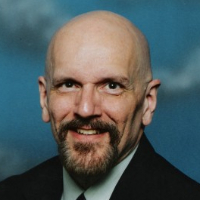
Maria Wilson
LCSW
Compassionate, practical therapy for stressed parents and adults
- Stress, Anxiety
- Relationship
- Family
Clinical social work directory
5,115 therapists list trauma and abuse among the things they work with. All offer sessions online, and every profile shows the registering body, the membership number and when it runs to.
This directory page lists licensed clinical social workers (LCSWs) who identify trauma and abuse as a focus. Browse the therapist profiles below to review credentials, approaches, languages, and experience related to trauma care.
LCSW
Compassionate, practical therapy for stressed parents and adults
LCSW
Compassionate support for stress and sexual concerns
LICSW, LCSW
Calm, steady support for life’s hard changes
LCSW
Practical, values-driven therapy for life challenges
LCSW
Compassionate support for addiction and trauma recovery
LCSW
Compassionate social worker focused on practical change
LCSW
Calm guidance for grief, anxiety, and relationship struggles
LCSW
Calm, client-led therapy for lasting change
LCSW
Compassionate guidance for relationship and self issues
LCSW
Experienced LCSW supporting life changes
LCSW
Person-centered care with practical tools
LCSW
Helping people navigate stress and relationship pain
LCSW
Compassionate therapist helping people build stronger coping skills
LCSW
Restorative, practical therapy for everyday challenges
LCSW
Compassionate social worker focused on practical change
LCSW
Experienced LCSW offering steady practical support
LCSW
Practical, strengths-based help for life changes
LCSW
Compassionate, practical therapy for addiction and mood issues
LCSW
Forward-focused therapist for practical change
LCSW
Practical, values-focused therapy for life problems
LCSW
Trusted Mississippi LCSW for life transitions
LCSW
Compassionate, practical support for personal growth
LCSW
Compassionate LCSW for practical coping skills
LCSW
Compassionate social worker focused on real-life change
LCSW
Practical support for stress and relationship strain
LCSW
Practical, respectful therapy focused on real life
LCSW
Calm, practical therapy for everyday challenges
Experienced social worker and clinician
LCSW
Practical, evidence-based support for stress and trauma
LCSW
Compassionate, practical therapy for everyday struggles
LCSW
Experienced LCSW providing steady support
LICSW, LCSW, CSW
Practical, compassionate support for life transitions
LCSW
Practical, client-focused support for life changes
LCSW
Experienced LCSW offering practical, nonjudgmental therapy
LCSW, CSW
Compassionate support for trauma and addiction recovery
LCSW
Practical support for stress and trauma recovery
LCSW
Compassionate guidance grounded in decades of practice
LCSW
Practical, relationship-focused mental health support
LCSW
Practical, steady care from an experienced LCSW
LCSW
Compassionate, practical support for life challenges
LCSW
Calm, practical therapy focused on values and skills
LICSW, LCSW
Experienced clinician for stress and trauma
LCSW
Compassionate, practical support for stressful times
Some links on this page are partner links. We will earn a commission if you sign up through one, at no cost to you. It does not change what you pay or the order of the listings.
Trauma and abuse include a wide range of experiences that overwhelm a person’s ability to cope in the moment and that can leave lasting emotional, physical, and social effects. Events may be a single incident such as a violent assault, or ongoing experiences such as childhood abuse, intimate partner violence, or systemic harms tied to oppression. Trauma also arises from accidents, medical events, natural disasters, or witnessing harm to others. Because trauma is shaped by your context, symptoms often appear in ways that involve daily life - sleep problems, hypervigilance, changes in appetite, difficulty concentrating, relationship strain, or withdrawal from people and activities you once valued.
When you look for help from a licensed clinical social worker, you are seeking a clinician who has advanced social work training and a distinct perspective on how life circumstances influence well-being. An LCSW holds a master’s degree in social work, completed a state-required period of supervised post-graduate clinical practice, and passed a clinical licensing examination. Social work training emphasizes a person-in-environment view, which means your living situation, work, family responsibilities, housing, finances, and community context are considered alongside your internal experience. That orientation can be especially useful when trauma and abuse have affected not just your feelings but also your day-to-day functioning and supports.
You may consider seeing a therapist if trauma or abuse is interfering with your quality of life. Signs that therapy could help include persistent intrusive memories or flashbacks, intense startle responses, emotional numbing, or ongoing anxiety and panic related to reminders of the event. You may notice difficulties managing anger, shifts in trust and intimacy, a sense of being constantly on guard, or behaviors intended to avoid reminders of the experience. Physical symptoms that have no clear medical cause - such as headaches, gastrointestinal distress, or chronic pain - may also accompany unresolved trauma.
Other indicators include changes in daily routines like sleep and appetite, increased use of substances to cope, and problems at work or in relationships that feel directly connected to past harm. If you find yourself repeatedly re-enacting patterns from abusive relationships or feeling stuck in self-blame, those are also signs that focused clinical support could be beneficial. An LCSW will assess how trauma shows up in your life, including the social and environmental factors that shape recovery, and help you identify practical next steps for safety, stabilization, and longer term healing.
Your first sessions with an LCSW typically involve an assessment that explores the history of the trauma or abuse, current symptoms, strengths and supports, and immediate safety needs. Because social work prioritizes the person's environment, this assessment often includes questions about your housing, employment, legal concerns, family dynamics, and access to community resources. The goal is to create a treatment plan that addresses both symptom relief and practical barriers to well-being. You and the clinician will discuss goals, what kinds of approaches may be helpful, and how progress will be measured.
How work unfolds depends on your goals and where you are in the recovery process. Early work often focuses on stabilization - building skills for managing distressing reactions, improving sleep and routine, and developing a safety plan if needed. Once you have strategies to manage overwhelming symptoms, you and the LCSW may move into processing the trauma in ways that feel tolerable and effective for you. Sessions may integrate exploration of relationships, coping patterns, and practical supports such as housing or benefits that affect recovery. Therapy with an LCSW frequently weaves emotional work with attention to real-world circumstances because both influence outcomes.
There is a range of clinical approaches practitioners may use when working with trauma and abuse. Some therapists list cognitive-behavioral approaches among their methods, which emphasize understanding and changing thoughts and behavior patterns that maintain distress. Others list exposure-based or processing approaches that focus on helping you revisit and reframe traumatic memories in a paced, supported way. You will also find clinicians who include body-focused methods that address how trauma is held physically, and relational or attachment-informed work that concentrates on patterns in close relationships.
Because the directory records approaches listed by each clinician rather than certification, you will see descriptions such as therapists who list EMDR among their approaches or therapists who describe somatic work on their profiles. Those labels indicate practitioners’ stated orientations, not guaranteed certifications. Many LCSWs combine multiple approaches and tailor methods to your needs, drawing on social work training to incorporate resource coordination and advocacy when appropriate. Discussing approach names on a therapist’s profile can help you identify clinicians whose stated methods match your preferences and goals.
Online sessions with an LCSW for trauma and abuse can expand access to clinicians who understand your needs and can account for your life circumstances. Remote work is delivered through video or phone sessions, with the same clinical assessment and planning process as in-person care. When choosing online sessions, you should consider practical details such as whether your space allows you to speak freely, how you will handle interruptions, and what to do if an intense reaction occurs after a session. Many LCSWs will ask about your local emergency resources as part of planning so you and the clinician can respond appropriately if immediate assistance becomes necessary.
Technology can make it easier to connect across distances, to see clinicians who share your language or cultural background, and to maintain continuity when life requires flexibility. Remote work does not replace in-person options, but it can provide convenience for those with transportation, work, or caregiving constraints. If you plan to meet an LCSW online, you can look for profile information about the clinician’s experience with telehealth, the ways they describe handling crisis planning, and whether they discuss the legal and ethical considerations tied to practicing across state lines, since licensing is state-regulated.
Selecting a therapist is a personal process. When you review LCSW profiles, look for clinicians who explicitly list trauma and abuse as a focus and who describe the populations and contexts they work with - for example, adult survivors of childhood abuse, survivors of interpersonal violence, or people whose trauma is related to medical events. Pay attention to language about cultural competence, experience with specific communities, and whether the clinician mentions addressing social determinants of health such as housing, legal needs, or financial stress. Those aspects matter because trauma recovery often involves practical supports in addition to clinical work.
Consider practical match factors such as the therapist’s stated approaches, therapeutic style, and languages offered. Reading profiles can help you identify clinicians who list approaches you prefer, but remember that an LCSW’s social work background means they are likely to integrate environmental supports and advocacy into care. If you want a clinician who focuses particularly on relational dynamics, look for wording that emphasizes relationships and attachment. If you need help with crisis planning or safety in the context of ongoing risk, prioritize clinicians who reference safety planning and coordination with community services. Taking time to find someone whose descriptions align with your needs increases the likelihood that you will feel understood and supported as you work through trauma and abuse.
Choosing to seek help for trauma and abuse is a significant step. An LCSW brings a combination of clinical training, practical problem solving, and attention to the life contexts that shape recovery. Use the profiles on this page to compare credentials, approaches, languages, and experience so you can identify clinicians who match your needs and values. If you want to explore further, review individual profiles to learn how each LCSW describes their work with trauma and the populations they serve.