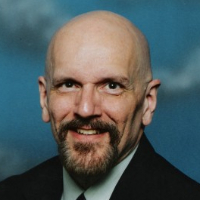
Tinita Samuels
LCSW
Compassionate, practical support for emotional challenges
- Stress, Anxiety
- Grief
- Anger
Clinical social work directory
7,344 therapists list stress & anxiety among the things they work with. All offer sessions online, and every profile shows the registering body, the membership number and when it runs to.
This directory highlights licensed clinical social workers (LCSWs) who list stress and anxiety among their focus areas. Browse the listings below to review credentials, approaches, languages, and experience for mental health support.
LCSW
Compassionate, practical support for emotional challenges
LCSW
Compassionate, practical therapy for stressed parents and adults
LCSW
Compassionate support for stress and sexual concerns
LICSW, LCSW
Calm, steady support for life’s hard changes
LCSW
Practical, values-driven therapy for life challenges
LCSW
Compassionate, practical support for life transitions
LCSW
Compassionate support for addiction and trauma recovery
LCSW
Calm, practical support for everyday mental health
LCSW
Compassionate social worker focused on practical change
LCSW
Calm guidance for grief, anxiety, and relationship struggles
LCSW
Calm, client-led therapy for lasting change
LCSW
Experienced LCSW supporting life changes
LCSW
Person-centered care with practical tools
LCSW
Helping people navigate stress and relationship pain
LCSW
Compassionate practical support for everyday challenges
LCSW
Compassionate therapist helping people build stronger coping skills
LCSW
Restorative, practical therapy for everyday challenges
LCSW
Compassionate, practical support for life challenges
LCSW
Compassionate social worker focused on practical change
LCSW
Experienced LCSW offering steady practical support
LCSW
Practical, strengths-based help for life changes
LCSW
Compassionate, practical therapy for addiction and mood issues
LCSW
Forward-focused therapist for practical change
LCSW
Trusted Mississippi LCSW for life transitions
LCSW
Compassionate, practical support for personal growth
LCSW
Compassionate LCSW for practical coping skills
LCSW
Compassionate social worker focused on real-life change
LCSW
Practical support for stress and relationship strain
LCSW
Practical, respectful therapy focused on real life
LCSW
Practical, grounded support for life's hard seasons
LCSW
Compassionate, practical care for daily struggles
LCSW
Calm, practical therapy for everyday challenges
Experienced social worker and clinician
LCSW
Practical support for stress and relationships
LCSW
Practical, evidence-based support for stress and trauma
LCSW
Practical, respectful therapy for everyday struggles
Some links on this page are partner links. We will earn a commission if you sign up through one, at no cost to you. It does not change what you pay or the order of the listings.
Stress and anxiety are responses to life situations that can range from short-term worry to long-standing patterns that shape how you function day to day. Stress is often tied to external pressures - a deadline, a relationship conflict, caregiving responsibilities, or financial strain. Anxiety can feel like persistent worry, excessive fear about future events, or a heightened state of alert that is out of proportion to the situation. Both can affect your mood, sleep, concentration, appetite, and energy, and they commonly show up as physical sensations such as muscle tension, headaches, stomach upset, or a rapid heartbeat.
You are likely to notice that stress and anxiety do not only affect your inner experience. They influence how you relate to family, colleagues, and friends, and they shape practical things like work performance, attendance, and decision making. For many people, anxiety also prompts avoidance - staying away from situations that trigger worry - which can narrow your daily life over time. Recognizing the patterns that link your thoughts, feelings, bodily reactions, and life circumstances is often the first step to making change.
You might consider seeking help when stress or anxiety interferes with your ability to carry out important roles or enjoy daily life. This can look like trouble sleeping, difficulty concentrating, frequent irritability, trouble managing responsibilities at work or home, or repeated use of substances to calm nerves. You may notice increased avoidance of social situations, persistent worry that is hard to control, or panic-like episodes that feel overwhelming. If stressors relate to housing, employment changes, caregiving demands, or financial strain, you may find it useful to work with someone who intentionally looks at those environmental factors alongside your internal experience.
If you are experiencing thoughts of harming yourself or others, or you are in immediate danger, contact emergency services or a crisis line right away. For ongoing difficulties that are not urgent but are reducing your quality of life, an LCSW can be a resource who combines clinical work with attention to practical needs and community-based supports. The goal of working with an LCSW is to help you understand what is driving your stress and anxiety while developing strategies and connections that make everyday life more manageable.
When you meet with an LCSW for the first time, you can expect an initial conversation about the problems that brought you to seek support, a review of your current living and working circumstances, and a discussion of your goals. LCSWs typically ask about your history, relationships, daily routines, and the specific stressors that affect you. That initial assessment is a chance to map how external conditions - housing, employment, family responsibilities, finances, and community resources - intersect with your symptoms. Together you and the clinician will clarify goals that may include reducing symptoms, improving coping, or making changes in your environment.
As you continue, sessions often blend talking about thoughts and feelings with practical problem solving. You may work on skill-building for managing worry, relaxation techniques, or planning small steps to address environmental stressors such as workplace conflict or care coordination. Progress is usually collaborative - you and the LCSW check in on whether the strategies are helping and adjust the plan. Many people find it useful that social work training emphasizes the person-in-environment perspective so that clinical goals and real-world supports are addressed together rather than treating symptoms in isolation.
Different LCSWs describe their work using a variety of approaches. You will see therapists who list cognitive behavioral therapy (CBT) among their approaches, therapists who list mindfulness-based practices, and therapists who list acceptance and commitment approaches. Some LCSWs indicate that they draw from interpersonal methods that look at relationship patterns, while others list psychodynamic or trauma-informed approaches. You may also encounter therapists who list specific trauma-focused methods among their approaches. It is important to understand that a listed approach signals an area the clinician uses in practice, not an external certification.
Because social work education trains clinicians to consider social and environmental factors, many LCSWs integrate attention to housing, employment, benefit access, and community supports into clinical work. That might mean coordinating with other services, helping you navigate systems, or identifying resources that reduce practical burdens so you have more capacity to use therapeutic strategies. If you value an approach that links psychological coping with real-world problem solving, that person-in-environment orientation is a key reason some people choose to work with an LCSW.
Online sessions with an LCSW typically take place by video call, phone, or asynchronous messaging depending on the clinician's practice. Video sessions aim to approximate in-person conversation so you can speak and be seen from your chosen location. Phone sessions remove the visual component and can be useful when video is not available. Messaging can be used as a supplement to live sessions for brief check-ins or reflections between meetings. Platforms commonly use encryption and technical safeguards to protect session data, and clinicians are expected to follow state regulations about telehealth practice.
Licensing matters for online work because states regulate clinical practice and the scope of practice can vary. An LCSW's license is issued and renewed by a state board, and that license reflects a master's degree in social work, a period of supervised post-graduate clinical experience that commonly spans two to three years and several thousand hours depending on the state, and passage of a clinical licensing exam. If you plan to work remotely, you should be aware of licensure rules that apply to where you are located at the time of the session. Online work can be a convenient option for many people, and it also allows some LCSWs to integrate therapy with assistance in accessing community-based resources that affect stressors.
When you look for an LCSW, focus first on credentials and areas of focus. Confirm that the clinician holds the LCSW credential and note which populations and issues they list, such as anxiety, work stress, caregiver stress, or trauma-related concerns. Compare focus areas, therapeutic approaches the clinician lists, languages spoken, and the types of clients they describe working with. If cultural identity, age group, or life experience is important to you, look for clinicians who mention that experience in their profile. You can prepare a few questions to ask when you first make contact, such as how they structure sessions for anxiety, whether they incorporate skill practice between meetings, and how they approach linking therapy with concrete resources like housing or employment help.
Fit is personal and often emerges over a few sessions. Pay attention to whether the clinician listens to your priorities and explains their approach in a way that makes sense to you. Consider whether you prefer a clinician who emphasizes skills and structure, one who focuses more on exploring relationship patterns, or someone who blends both clinical work and assistance with social determinants of health. Since scope of practice and title vary by state, you may also want to confirm licensing details and the populations the LCSW routinely works with. Taking these steps can help you find an LCSW whose combination of clinical orientation and attention to environmental factors aligns with the kind of support you want for managing stress and anxiety.
Finding effective help for stress and anxiety is a process. An LCSW can offer clinical support that intentionally connects with the real-life circumstances shaping your experience. By assessing how symptoms and surroundings interact, learning practical coping skills, and accessing community resources when needed, you can develop a plan that reduces distress and supports steady progress.