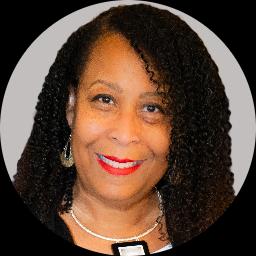
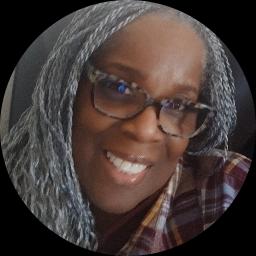
Deneta Jones-Udefi
LCSW
Practical support for relationships and personal growth
- Relationship
- Parenting
- Self esteem
Clinical social work directory
6,266 therapists list self esteem among the things they work with. All offer sessions online, and every profile shows the registering body, the membership number and when it runs to.
This page lists licensed clinical social workers (LCSWs) who work with self esteem and related concerns. Review the profiles below to learn about each practitioner's focus areas, approaches, languages, and experience.
LCSW
Practical support for relationships and personal growth
LCSW
Compassionate, practical therapy for stressed parents and adults
LICSW, LCSW
Calm, steady support for life’s hard changes
LCSW
Compassionate, practical support for life transitions
LCSW
Compassionate support for addiction and trauma recovery
LCSW
Calm, practical support for everyday mental health
LCSW
Compassionate social worker focused on practical change
LCSW
Calm guidance for grief, anxiety, and relationship struggles
LCSW
Calm, client-led therapy for lasting change
LCSW
Compassionate guidance for relationship and self issues
LCSW
Experienced LCSW supporting life changes
LCSW
Person-centered care with practical tools
LCSW
Helping people navigate stress and relationship pain
LCSW
Compassionate practical support for everyday challenges
LCSW
Compassionate therapist helping people build stronger coping skills
LCSW
Restorative, practical therapy for everyday challenges
LCSW
Compassionate, practical support for life challenges
LCSW
Compassionate social worker focused on practical change
LCSW
Practical, strengths-based help for life changes
LCSW
Compassionate, practical therapy for addiction and mood issues
LCSW
Forward-focused therapist for practical change
LCSW
Practical, values-focused therapy for life problems
LCSW
Compassionate, strengths-based therapy for life transitions
LCSW
Compassionate, practical support for personal growth
LCSW
Compassionate LCSW for practical coping skills
LCSW
Compassionate social worker focused on real-life change
LCSW
Practical support for stress and relationship strain
LCSW
Practical, respectful therapy focused on real life
LCSW
Practical, grounded support for life's hard seasons
LCSW
Calm, practical therapy for everyday challenges
Experienced social worker and clinician
LCSW
Practical support for stress and relationships
LCSW
Practical, evidence-based support for stress and trauma
LCSW
Practical, respectful therapy for everyday struggles
LCSW
Calm, practical support for everyday struggles
LCSW
Compassionate, practical therapy for everyday struggles
LICSW, LCSW, CSW
Practical, compassionate support for life transitions
LCSW
Practical, client-focused support for life changes
Some links on this page are partner links. We will earn a commission if you sign up through one, at no cost to you. It does not change what you pay or the order of the listings.
Self-esteem refers to the way you value yourself and how that valuation shapes your choices, relationships, and daily mood. It is not a single fixed trait; self-esteem can shift over time and across situations. Some people experience fluctuating confidence that depends on work performance or relationship feedback, while others carry a deep, persistent sense of low worth that affects many parts of life. Self-esteem problems can influence how you set boundaries, take risks, handle criticism, and even manage basic daily responsibilities. Over time, those patterns can affect work, relationships, and well-being.
Because self-esteem develops in context, many people find it useful to work with an LCSW. Licensed clinical social workers combine clinical training with a person-in-environment perspective. That means an LCSW will look at internal factors like beliefs and coping habits together with external circumstances - housing, work, family, finances, access to care, and community supports - rather than treating the person in isolation. That broader lens often helps identify practical steps you can take in your daily life as well as changes in thinking and behavior.
You might notice that negative self-judgments influence your choices more than you would like. That can show up as persistent self-criticism, difficulty accepting compliments, or chronic comparison with others. You may avoid applying for promotions, speaking up, or pursuing new relationships because you assume you will fail or be rejected. People-pleasing and difficulty saying no are common markers, as are patterns of self-sabotage - for example, turning down opportunities before they can be tested or undermining success out of fear it will not last.
You might also experience emotional signs that point to self-esteem concerns. Persistent feelings of emptiness, shame, or low mood can accompany low self-worth, as can social withdrawal or relational conflict rooted in insecurity. If you notice repeated cycles of disappointment in relationships, a tendency to tolerate disrespect, or a habit of over-apologizing, addressing underlying self-esteem beliefs can be important. An LCSW can help you recognize these patterns and consider how life circumstances - such as caregiving demands, financial strain, or community pressures - contribute to how you see yourself.
When you begin work on self-esteem with an LCSW, early sessions often combine listening and assessment. The clinician will ask about your current struggles, personal history, relationships, and practical life conditions that affect how you feel about yourself. You may explore specific situations that trigger harsh self-judgment and identify patterns in thinking, feeling, and behavior. Sessions typically balance emotional exploration with concrete steps - for example, testing new ways of responding in relationships or practicing alternative self-talk between meetings.
Progress tends to be collaborative. Your LCSW can help you set realistic goals, track changes, and adjust strategies based on what is helpful in your everyday life. Because social work training includes attention to environmental factors, sessions may also address systemic barriers you face and link you to community resources or problem-solving strategies for work, housing, or caregiving stress that affect self-worth.
Licensed clinical social workers use a variety of clinical approaches and often combine elements to fit a person's situation. Many LCSWs list cognitive-behavioral strategies that focus on identifying and changing self-defeating thoughts, and some emphasize interpersonal work to shift relationship patterns that maintain low self-esteem. Others may describe narrative approaches that help you reframe personal stories, mindfulness-based practices to reduce harsh self-judgment, or acceptance and commitment principles to clarify values and take meaningful action despite fear.
Because the directory records the approaches therapists list rather than certifying specific trainings, you will see a range of descriptors across profiles. You may encounter therapists who list trauma-informed care, motivational interviewing, emotion-focused work, or expressive modalities as part of their practice. In some profiles you will find mention of EMDR or similar trauma-focused approaches; those entries indicate the approach is listed by the clinician rather than a verification of specific certifications. Reviewing the approaches that resonate with you can help you find an LCSW whose style matches your needs.
Online sessions make it possible to work with an LCSW from a distance, which can be especially helpful if local options are limited or if scheduling in-person visits is difficult. Sessions commonly use video or phone calls and follow the same professional licensing rules and ethical standards that apply to in-person care. Licensing is overseen by state boards, and regulations about remote practice vary by state, so the clinician's listed license state gives context about where they are authorized to practice clinically.
To prepare for online sessions, choose a quiet space where you can speak without interruption and set aside a block of time to focus. Good preparation also includes testing camera and audio, having a plan for covering urgent needs between meetings, and thinking in advance about what you want to address. Some people find online sessions more comfortable for sensitive topics because they can join from a familiar setting, while others prefer the in-person dynamic. Either format can support work on self-esteem; the important factor is whether the clinician's approach and experience feel like a good match for you.
Selecting a clinician is a personal decision. When you look through profiles, consider the practical information that matters to you - the populations a clinician lists, years of experience, languages spoken, and the life issues they highlight such as body image, relationships, career transitions, or trauma. Pay attention to the approaches they list and whether those methods match the way you like to work - for example, whether you prefer structured skill-building, relational exploration, or a mix of both. Keep in mind that listing an approach does not imply an externally verified certification; it indicates that the clinician uses or emphasizes that method in their practice.
Because LCSW licensing is state-based, check the license details on a profile to understand the practitioner's credential and the state board that issued it. If identity factors and cultural understanding are important to you, look for clinicians who note experience with specific communities or who share languages and backgrounds that make communication easier. Finally, consider logistical fit such as session format, general fees, and any insurance or payment information provided in profiles. Reaching out to ask a few focused questions about how they work with self-esteem concerns can help you determine whether an LCSW is a good match for your needs and goals.