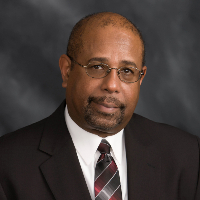
Tinita Samuels
LCSW
Compassionate, practical support for emotional challenges
- Stress, Anxiety
- Grief
- Anger
Clinical social work directory
5,232 therapists list communication problems among the things they work with. All offer sessions online, and every profile shows the registering body, the membership number and when it runs to.
This page lists licensed clinical social workers (LCSWs) who focus on communication problems. Use the profiles below to learn about credentials, focus areas, approaches and languages before exploring further.
LCSW
Compassionate, practical support for emotional challenges
LCSW
Compassionate, practical therapy for stressed parents and adults
LICSW, LCSW
Calm, steady support for life’s hard changes
LCSW
Practical, values-driven therapy for life challenges
LCSW
Calm, practical support for everyday mental health
LCSW
Compassionate social worker focused on practical change
LCSW
Experienced LCSW supporting life changes
LCSW
Person-centered care with practical tools
LCSW
Helping people navigate stress and relationship pain
LCSW
Compassionate practical support for everyday challenges
LCSW
Compassionate therapist helping people build stronger coping skills
LCSW
Restorative, practical therapy for everyday challenges
LCSW
Compassionate, practical support for life challenges
LCSW
Practical, strengths-based help for life changes
LCSW
Practical, values-focused therapy for life problems
LCSW
Compassionate, strengths-based therapy for life transitions
LCSW
Trusted Mississippi LCSW for life transitions
LCSW
Compassionate, practical support for personal growth
LCSW
Practical support for stress and relationship strain
LCSW
Practical, respectful therapy focused on real life
LCSW
Calm, practical therapy for everyday challenges
Experienced social worker and clinician
LCSW
Practical support for stress and relationships
LCSW
Practical, evidence-based support for stress and trauma
LCSW
Calm, practical support for everyday struggles
LCSW
Compassionate, practical therapy for everyday struggles
LCSW
Experienced LCSW providing steady support
LICSW, LCSW, CSW
Practical, compassionate support for life transitions
LCSW, CSW
Compassionate support for trauma and addiction recovery
LCSW
Compassionate guidance grounded in decades of practice
LCSW
Practical, relationship-focused mental health support
LCSW
Practical, steady care from an experienced LCSW
LCSW
Calm support for stress and life changes
LCSW
Calm, practical therapy focused on values and skills
LICSW, LCSW
Experienced clinician for stress and trauma
LCSW
Practical support for stress and relationships
LCSW
Helping you make steady, practical change
Some links on this page are partner links. We will earn a commission if you sign up through one, at no cost to you. It does not change what you pay or the order of the listings.
Communication problems cover a wide range of difficulties that make it hard to express thoughts, listen effectively, set boundaries or solve conflicts. You might be navigating struggles with a partner, family member, coworker or your own patterns of communication. When you look for help with these issues, an LCSW brings a particular perspective shaped by social work training. An LCSW holds a master’s degree in social work, has completed a state-required period of supervised post-graduate clinical experience and has passed a clinical licensing examination. Licenses are issued and renewed by state boards, and scope of practice and title can vary from state to state.
Social work education emphasizes the person-in-environment perspective, which means an LCSW will often consider how your housing, work, finances, family dynamics and community connections affect how you communicate. That orientation can be useful if your communication challenges are intertwined with stressors such as job pressure, caregiving roles, cultural expectations or access to resources. Rather than treating communication as an isolated skill deficit, many LCSWs look at patterns in the context of your daily life and relationships.
You may benefit from professional support when communication difficulties are frequent, intense or feel stuck despite your efforts. Common signs include repeated arguments that escalate quickly, feeling unheard or shut down in important relationships, chronic avoidance of difficult conversations, or ongoing misunderstandings at work that affect performance or morale. You might notice patterns such as interrupting, withdrawing, blaming, or staying silent to avoid conflict. Physical symptoms like sleep disruption, persistent irritability or anxiety around interactions can also signal that communication issues are taking a toll.
Sometimes communication problems show up as difficulty advocating for yourself with systems such as schools, healthcare providers or employers. In other cases the hurdle is cultural or generational expectations about how people should speak to each other. If you feel isolated by how you relate to others, or if recurring conflicts are harming important relationships, working with an LCSW who lists communication problems among their focus areas can help you explore both skills and the broader life factors that shape your behavior.
When you begin sessions with an LCSW, the first phase typically involves assessment and collaborative goal setting. Expect the clinician to ask about the patterns you notice, concrete examples of conversations that go poorly, and the context in which those interactions occur. An LCSW will often gather information about your living situation, work demands, family roles and cultural background to build a fuller picture of how communication plays out in your life.
Early sessions tend to focus on building a safe working relationship and practical strategies you can try between appointments. That may include skills such as clearer expression of needs, structured turn-taking in conversations, reflective listening, and techniques to manage emotional reactivity. You and the LCSW will decide whether to focus on individual skills, couple or family dynamics, or advocacy and problem solving with organizations in your life. Progress is usually incremental; you will practice new ways of interacting, reflect on what works, and adjust strategies based on real-world feedback.
LCSWs employ a range of approaches when working on communication. Some therapists on this directory list cognitive behavioral therapy (CBT) among their approaches, which can help you identify unhelpful thinking patterns that interfere with communication. Others list emotion-focused work that helps you understand how feelings shape your responses. There are clinicians who include family systems approaches, which look at patterns across multiple members of a household or relationship, and therapists who list skills-based frameworks focused on assertiveness, boundary setting and conflict resolution. When modalities are referenced on a profile, they indicate what a therapist lists among their approaches rather than a verified certification.
Online sessions are a practical option for many people addressing communication problems. You can meet with an LCSW from a place that feels comfortable to you, which may make it easier to practice conversations or role-plays in the moment. Technology generally supports video sessions, and some clinicians also offer phone appointments. Before a session you might want to choose a quiet, interruption-free space and decide whether you prefer a daytime or evening appointment based on when you engage most with the people involved in your concerns. Online work can be especially useful when geography, mobility, caregiving responsibilities or work schedules make in-person visits difficult. That said, there are situations where in-person sessions or a mix of formats may be preferable, depending on how you and your clinician determine progress and fit.
Selecting a therapist is a personal decision and several practical factors can help you narrow options. Look at each profile for the focus areas listed - some LCSWs emphasize couples communication, others emphasize workplace interactions or family dynamics. Consider the approaches therapists list and whether those descriptions align with the kind of work you want to do. Pay attention to languages spoken and relevant life or professional experience that may matter for cultural fit or specific contexts you face. Licensure is also important; the profiles here identify clinicians who hold an LCSW, and because licensing rules vary by state, you may find descriptions of scope of practice differ.
Think about the pace and tone you prefer. Some people want skills-focused, directed sessions where they leave with specific homework. Others prefer a more exploratory, insight-oriented process that probes the roots of habitual patterns. You can use profile details to identify therapists whose stated emphases match your priorities. When you reach out to a clinician, a brief conversation can help you sense whether their approach resonates with you, but the directory data itself is limited to what therapists choose to list about their focus areas, approaches and experience. Comparing those elements - focus areas, listed approaches, credentials, languages and professional experience - can help you make an informed choice about who might be a good fit for your communication goals.
Working on communication problems often involves both skill building and broader life adjustments. An LCSW's person-in-environment lens can be particularly helpful when communication difficulties are tied to work stress, caregiving responsibilities, housing instability or cultural expectations. If improving how you connect is a priority, you can use the listings on this page to explore clinicians who hold an LCSW and describe communication problems as a focus, review the approaches they list, and make a choice that fits your needs and context.