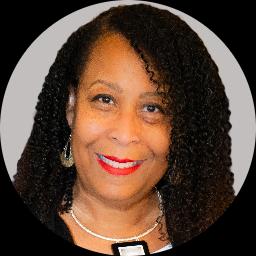
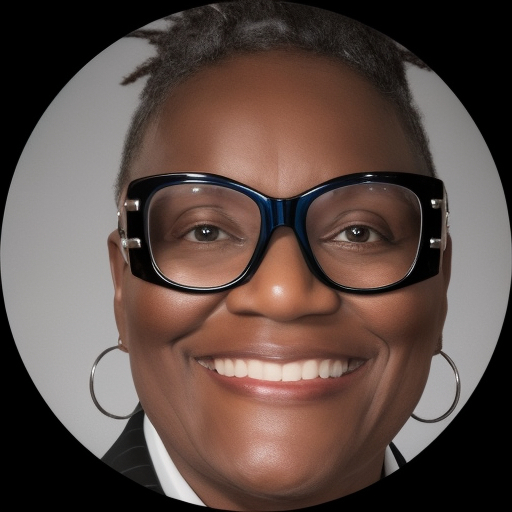
Maria Wilson
LCSW
Compassionate, practical therapy for stressed parents and adults
- Stress, Anxiety
- Relationship
- Family
Clinical social work directory
1,441 therapists list sexual trauma among the things they work with. All offer sessions online, and every profile shows the registering body, the membership number and when it runs to.
Browse profiles of licensed clinical social workers who list sexual trauma as a focus to learn about their backgrounds, approaches, languages, and experience. Use the listings below to explore LCSWs who work with sexual trauma and consider which profiles feel like a potential fit.
LCSW
Compassionate, practical therapy for stressed parents and adults
LCSW
Compassionate support for stress and sexual concerns
LCSW
Compassionate social worker focused on practical change
LCSW
Calm guidance for grief, anxiety, and relationship struggles
LCSW
Helping people navigate stress and relationship pain
LCSW
Restorative, practical therapy for everyday challenges
LCSW
Practical, strengths-based help for life changes
LCSW
Practical, values-focused therapy for life problems
LCSW
Practical, respectful therapy focused on real life
Experienced social worker and clinician
LCSW
Practical, evidence-based support for stress and trauma
LICSW, LCSW, CSW
Practical, compassionate support for life transitions
LCSW
Practical, steady care from an experienced LCSW
LCSW
Compassionate, practical support for life challenges
LICSW, LCSW
Experienced clinician for stress and trauma
LCSW
Compassionate, practical support for stressful times
LCSW, LISW
Practical, strengths-focused therapy for everyday challenges
LSCSW, LCSW
Practical, respectful therapy for life changes
LCSW
Practical, compassionate therapy for life transitions
LCSW
Experienced LCSW guiding practical change
LCSW
Practical, skills-focused therapy for life challenges
LCSW
Compassionate, practical therapy focused on everyday life
LCSW
Therapist focused on practical coping skills
LCSW
Calm, experienced therapist focused on practical change
LCSW
Experienced Texas LCSW providing steady, practical support
LCSW
Practical, collaborative therapy for real life struggles
LCSW
Experienced Illinois LCSW helping with mood and relationships
LCSW
Compassionate, practical therapy for everyday struggles
LCSW
Compassionate, practical therapy for life challenges
LCSW
Compassionate social worker for practical change
LCSW
Experienced LCSW offering practical, steady support
LCSW
Compassionate practical support for life’s hard moments
LCSW
Helpful, steady therapy for life transitions
LCSW
Practical trauma recovery and addiction support
LCSW
Calm, practical support for real-life challenges
LCSW
Compassionate, practical therapy for everyday struggles
LCSW
Compassionate, practical therapy for life’s hard moments
LCSW
Compassionate therapy for life’s difficult moments
Some links on this page are partner links. We will earn a commission if you sign up through one, at no cost to you. It does not change what you pay or the order of the listings.
Sexual trauma refers to experiences in which someone has been touched, pressured, coerced, or assaulted in a sexual way that felt nonconsensual, threatening, or harmful. The experience can be a single event or a series of events, and it can occur in childhood, adolescence, or adulthood. Responses to sexual trauma vary widely. Some people notice immediate reactions such as shock, fear, or physical injury. Others encounter changes that appear weeks, months, or even years later, including shifts in mood, relationships, and daily functioning.
Beyond emotional distress, sexual trauma often affects how you relate to yourself and to others. You might find that intimacy, trust, or sexual response feels different than before. Some people experience intrusive memories, nightmares, or heightened vigilance. Others notice emotional numbing, avoidance of reminders, or difficulties with concentration and sleep. Because the experience of sexual trauma interacts with your life circumstances - housing, work, family responsibilities, finances, and community supports - many people find it useful to work with a professional who understands both emotional responses and the broader context of daily life.
Licensed clinical social workers hold a graduate degree in social work, have completed state-required supervised clinical experience, and have passed a clinical licensing exam. An LCSW’s training emphasizes a person-in-environment perspective, which means treatment explores both internal experiences and external circumstances that shape recovery and coping. If you are looking for support that accounts for practical realities alongside emotional healing, an LCSW may offer that combined lens.
You might consider seeking help when symptoms or life changes begin to limit your ability to function, find satisfaction, or feel safe in daily life. Many people notice persistent anxiety, panic attacks, or recurring intrusive thoughts related to the trauma. Others experience avoidant behaviors, such as steering clear of places, people, or activities that remind them of what happened. Relationship difficulties can also be a clear indicator that additional support could help - you may feel distant, reactive, or unable to tolerate closeness with partners, family members, or friends.
Changes in mood are common. You may feel more irritable, depressed, or emotionally flat than you used to. Sleep disturbances and changes in appetite or energy are frequent complaints. Some people find themselves using substances, compulsive behaviors, or isolation to manage overwhelming memories or feelings. If you are having thoughts of harming yourself, it is important to seek immediate help from emergency services or a crisis line in your area.
Choosing to talk to an LCSW is often motivated by a desire to address both emotional and practical impacts of sexual trauma. If you want to work on symptom management while also addressing housing, employment, relationship patterns, or access to community supports, an LCSW’s training in person-in-environment assessment can be particularly relevant. You do not need to meet a diagnostic threshold to seek help; therapy can be useful whenever the effects of trauma interfere with your goals or wellbeing.
Your first sessions with an LCSW typically focus on building a working relationship and establishing immediate needs and goals. An LCSW will ask about your current concerns, the history of the trauma, and the ways it affects daily life. Because social work emphasizes context, you can expect questions about your living situation, work, family, community supports, and access to resources. These conversations help shape a practical plan that addresses both emotional healing and concrete barriers to wellbeing.
In early meetings you and the LCSW will often identify what helps you feel more grounded and what increases distress. Together you may discuss safety planning, strategies for managing intense reactions, and ways to stabilize sleep or reduce overwhelm. The pace of exploring traumatic memories is set collaboratively; many people begin with techniques to reduce symptoms before moving into deeper trauma processing.
Ongoing work may include learning skills to regulate emotions, reduce anxiety, and manage intrusive memories. You may also address relationship patterns, boundaries, and communication. Because LCSWs attend to environmental factors, therapy can include connecting you with community resources, assistance with practical needs, or coordination with other providers when appropriate. Progress often involves both symptom relief and improvements in daily functioning, relationships, and personal agency.
Therapists who hold an LCSW use a range of approaches to address sexual trauma, and profiles often include the names of methods they draw on. Some list trauma-focused approaches that prioritize processing painful memories and changing the meanings attached to them. Others emphasize skills-based work aimed at managing symptoms and building emotional resilience. Because the directory records approaches that clinicians list on their profiles, you will see a variety of names reflected across listings rather than a guarantee of specific certifications.
In practice, many LCSWs integrate talk-based work with techniques to improve grounding, emotion regulation, and relationship functioning. You might encounter approaches that focus on the body and on present-moment sensations, or modalities that support narrative integration and memory processing. Some therapists highlight approaches aimed at reducing reactivity and changing behavioral patterns. When reviewing profiles, note which methods are mentioned and consider whether they align with how you prefer to work - for example, whether you want a more structured skills focus or a dialogic, exploratory process.
Because each state licenses LCSWs differently and each practitioner brings distinct experience, the presence of an approach on a profile means that the clinician lists it among their preferred ways of working. If a particular method is important to you, look for therapists who mention that approach on their profile and who describe relevant experience or populations served. Many people find it useful when an LCSW’s description also reflects attention to social context, cultural identity, and practical concerns that affect recovery.
Online therapy offers a way to meet with an LCSW from home or another convenient location, which can be especially helpful if mobility, geography, or caregiving responsibilities make in-person appointments difficult. In virtual sessions you will typically use video and audio to communicate in real time. Some practitioners also offer phone sessions or text-based check-ins as part of a broader plan. When considering online work, think about what helps you feel safe and able to focus - this might be a quiet room, a reliable internet connection, or having a list of grounding tools nearby.
When choosing an LCSW for sexual trauma, focus on factors that matter most to you. Look for descriptions that mention experience with trauma work and with populations you identify with, such as survivors of childhood sexual abuse, assault in adulthood, or complex histories involving repeated harm. Pay attention to the languages the clinician lists and whether they mention cultural competence, LGBTQ+ experience, or work with specific age groups. Because the LCSW license is issued at the state level, confirm that the therapist’s licensure state aligns with your needs for telehealth practice if you plan to meet across state lines.
Consider how a clinician describes their approach to safety and pacing. Many people prefer therapists who explicitly mention trauma-informed practices, collaborative goal setting, and a willingness to adapt pace according to your tolerance. Think about logistical preferences too - whether you prefer shorter, more frequent meetings for stabilization or longer sessions for in-depth processing. Lastly, trust your sense of fit. Profiles are designed to give you information about credentials, focus areas, approaches listed, languages, and professional background so you can narrow choices before reaching out. Taking time to read several profiles and noting which descriptions resonate with you can make it easier to begin conversations about goals and expectations when you contact a clinician.