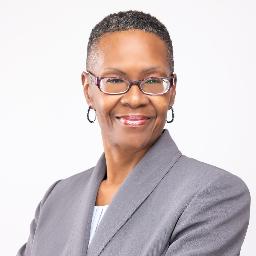
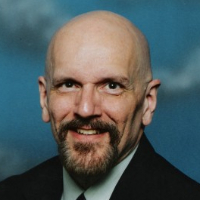
Tinita Samuels
LCSW
Compassionate, practical support for emotional challenges
- Stress, Anxiety
- Grief
- Anger
Clinical social work directory
4,911 therapists list self-love among the things they work with. All offer sessions online, and every profile shows the registering body, the membership number and when it runs to.
This directory lists profiles of licensed clinical social workers (LCSWs) who include self-love as a focus area. Browse the listings below to review their focus areas, therapeutic approaches, languages, and experience.
LCSW
Compassionate, practical support for emotional challenges
LCSW
Practical support for relationships and personal growth
LCSW
Compassionate, practical therapy for stressed parents and adults
LICSW, LCSW
Calm, steady support for life’s hard changes
LCSW
Practical, values-driven therapy for life challenges
LCSW
Compassionate, practical support for life transitions
LCSW
Compassionate support for addiction and trauma recovery
LCSW
Calm, practical support for everyday mental health
LCSW
Compassionate social worker focused on practical change
LCSW
Calm, client-led therapy for lasting change
LCSW
Compassionate guidance for relationship and self issues
LCSW
Experienced LCSW supporting life changes
LCSW
Person-centered care with practical tools
LCSW
Helping people navigate stress and relationship pain
LCSW
Compassionate practical support for everyday challenges
LCSW
Compassionate therapist helping people build stronger coping skills
LCSW
Restorative, practical therapy for everyday challenges
LCSW
Compassionate, practical support for life challenges
LCSW
Experienced LCSW offering steady practical support
LCSW
Practical, strengths-based help for life changes
LCSW
Forward-focused therapist for practical change
LCSW
Practical, values-focused therapy for life problems
LCSW
Compassionate, strengths-based therapy for life transitions
LCSW
Compassionate, practical support for personal growth
LCSW
Compassionate LCSW for practical coping skills
LCSW
Practical support for stress and relationship strain
LCSW
Practical, respectful therapy focused on real life
Experienced social worker and clinician
LCSW
Practical support for stress and relationships
LCSW
Practical, evidence-based support for stress and trauma
LCSW
Calm, practical support for everyday struggles
LCSW
Experienced LCSW providing steady support
LICSW, LCSW, CSW
Practical, compassionate support for life transitions
LCSW, CSW
Compassionate support for trauma and addiction recovery
LCSW
Compassionate guidance grounded in decades of practice
LCSW
Practical, steady care from an experienced LCSW
LCSW
Calm support for stress and life changes
Some links on this page are partner links. We will earn a commission if you sign up through one, at no cost to you. It does not change what you pay or the order of the listings.
Self-love is a practical, day-to-day relationship you have with yourself rather than a single feeling. It shows up in how you talk to yourself, how you set boundaries, how you respond to mistakes, and how you make choices that affect your wellbeing. For some people self-love looks like consistent self-kindness and an ability to ask for what they need. For others it feels absent - persistent self-criticism, people-pleasing, or avoidance of personal goals can be signs that your relationship with yourself has been shaped by past messages or current circumstances. Because social work training takes a person-in-environment perspective, an LCSW will look at both internal experience and external factors - housing, work, family, money, community, and access to services - that shape how you relate to yourself. That broader lens helps you understand the context around patterns that feel like low self-worth, and it supports practical changes that fit the life you actually live.
You might consider seeking support if persistent self-criticism undermines your daily mood, if you regularly put others' needs ahead of your own to the point that your health or goals suffer, or if shame and fear of judgment keep you from taking steps you want to take. You may notice repetitive relationship patterns, a tendency to avoid asserting boundaries, or difficulty accepting compliments and achievements. Practical stressors - such as job instability, caregiving demands, or financial strain - can make it harder to practice self-kindness and are exactly the kinds of realities an LCSW will include in conversations. An LCSW holds a master's degree in social work, has completed a state-set period of supervised post-graduate clinical experience - commonly around two to three years and several thousand hours, though requirements vary by state - and has passed a clinical licensing exam. The license to practice is issued and renewed by a state board, so scope of practice and the exact title for licensed clinical social workers can vary across states. Knowing this can help you understand why a clinician may emphasize life circumstances and community resources as much as internal work when addressing self-love.
When you begin working with an LCSW on self-love, sessions are likely to feel collaborative and grounded in your life circumstances. You can expect the therapist to ask about your relationships, daily routines, stresses, and supports as much as about your internal thoughts and feelings. The pace and focus will depend on your goals - you might spend time learning self-compassion practices, examining unhelpful self-talk, or developing concrete strategies to protect your time and energy. Because social workers often connect clinical work with practical resources, you may also explore ways to reduce external pressures that erode self-care, such as workplace conflict or housing instability. Sessions typically include reflective conversation, skill-building, and sometimes short exercises you can practice between appointments to notice automatic reactions and try new responses. The aim is to help you build a kinder, more reliable relationship with yourself that is resilient to everyday setbacks. Therapists who list certain therapeutic approaches among their approaches may integrate cognitive reframing, acceptance-based strategies, mindfulness practices, narrative techniques, or strengths-based social work to support this process, while tailoring methods to your personality and circumstances.
Therapists who list cognitive-behavioral approaches among their approaches often focus on identifying and gently challenging patterns of self-critical thinking and testing new beliefs through practical experiments. Therapists who list mindfulness or acceptance-based work may emphasize noticing inner experience without judgment and making values-based choices even when uncomfortable feelings arise. Narrative-influenced approaches invite you to examine the stories you tell about yourself and to rewrite those narratives in ways that reflect your agency and resilience. Strengths-based social work frames your capacities and past resourcefulness as the foundation for change, while approaches that draw on compassion-focused ideas emphasize developing an inner voice that supports rather than punishes. It is important to remember that the directory records what each LCSW lists among their approaches; it does not document certification or the depth of training in any single method. In your conversations with a potential LCSW you can ask how they typically integrate different strategies and which parts of the work they prioritize when helping someone build self-love.
Online sessions can make it easier to access an LCSW whose perspective and experience align with what you’re seeking, especially if local options are limited. You can expect video or phone meetings to provide a conversational space similar to in-person work, with the advantage that you’re meeting from a familiar setting, which may make practicing self-focused exercises feel more immediate. Messaging or asynchronous check-ins are another option some clinicians list among their approaches for brief coaching between sessions, though the style and limits of that communication vary by clinician. Because LCSW licenses are issued by state boards, laws about practicing across state lines differ and affect how a clinician can work with you from another state. If cross-state work matters to you, it’s reasonable to ask a clinician how they handle licensure-related questions and what platforms they use to protect privacy and audio-visual quality. Expect the logistical parts of online work - appointment scheduling, technology checks, and plans for interruptions - to be handled at the beginning so you can focus on the content of the session. Many people find that the convenience of remote sessions reduces friction in practicing self-care, particularly when life demands make travel or time away difficult.
Finding a good match is about more than credentials alone. Look at each LCSW's profile for focus areas that include self-love, descriptions of the populations they work with, and the approaches they list so you can get a sense of fit. Consider whether you prefer someone who highlights life-context work - for instance addressing work, housing, or caregiving pressures - or someone who emphasizes inner processes like self-compassion practices. Language and cultural background can matter for how easily you feel understood, so note languages spoken and any cultural or identity-related experience listed. Think about practical matters such as session length and fees, and whether the clinician lists experience with life stages or relationships similar to your own. When you reach out, a few careful questions can help you picture how the work would feel - for example asking how they typically structure early sessions, how they integrate goals with day-to-day realities, and how they measure progress. Trust your sense of how comfortable and heard you feel in initial contacts; a collaborative, respectful tone is a useful indicator that you can explore gentle, sustainable changes together. Comparing focus areas, approaches, credentials, languages and experience across profiles can give you the information you need to choose an LCSW whose style matches your priorities and life situation.
Working on self-love is often gradual and practical, rooted in both inner shifts and concrete changes to your circumstances. An LCSW’s training in the person-in-environment perspective can help you address the broader pressures that shape how you treat yourself, while also developing skills for kinder self-talk and steadier boundaries. Use the listings on this page to learn about different clinicians' focus areas and approaches so you can find an LCSW whose perspective feels aligned with the kind of self-care you want to build.