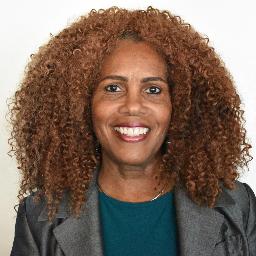
Maria Wilson
LCSW
Compassionate, practical therapy for stressed parents and adults
- Stress, Anxiety
- Relationship
- Family
Clinical social work directory
1,503 therapists list jealousy among the things they work with. All offer sessions online, and every profile shows the registering body, the membership number and when it runs to.
This page lists licensed clinical social workers (LCSWs) who include jealousy among their focus areas. Browse the profiles below to review credentials, languages, approaches, and experience.
LCSW
Compassionate, practical therapy for stressed parents and adults
LICSW, LCSW
Calm, steady support for life’s hard changes
LCSW
Calm, practical support for everyday mental health
LCSW
Compassionate social worker focused on practical change
LCSW
Experienced LCSW supporting life changes
LCSW
Compassionate therapist helping people build stronger coping skills
LCSW
Restorative, practical therapy for everyday challenges
LCSW
Practical, strengths-based help for life changes
LCSW
Practical, values-focused therapy for life problems
LCSW
Compassionate, strengths-based therapy for life transitions
LCSW
Practical, respectful therapy focused on real life
Experienced social worker and clinician
LCSW
Practical, evidence-based support for stress and trauma
LICSW, LCSW, CSW
Practical, compassionate support for life transitions
LCSW
Practical, relationship-focused mental health support
LCSW
Practical, steady care from an experienced LCSW
LCSW
Practical support for stress and relationships
LCSW, LISW
Practical, strengths-focused therapy for everyday challenges
LCSW
Compassionate, practical support for life transitions
LCSW
Helping people overcome addiction and relationship strain
LCSW
Calm, practical support for life’s hard moments
LCSW, LISW
Compassionate, practical support for life transitions
LCSW
Practical, compassionate therapy for life transitions
LCSW
Experienced LCSW guiding practical change
LCSW
Practical, skills-focused therapy for life challenges
LCSW
Compassionate, practical therapy focused on everyday life
LICSW, LCSW
Compassionate social worker who supports change
LCSW
Careful, practical support for relationships and identity
LCSW
Therapist focused on practical coping skills
LCSW
Calm, experienced therapist focused on practical change
LISW, LCSW, CSW
Compassionate social worker who values practical steps
LCSW
Calm, practical support through life changes
LCSW
Practical support for stress and relationships
LCSW
Experienced Illinois LCSW helping with mood and relationships
LCSW
Compassionate, practical therapy for everyday struggles
LCSW
Compassionate social worker for practical change
LCSW
Experienced LCSW offering practical, steady support
LCSW
Practical trauma recovery and addiction support
Some links on this page are partner links. We will earn a commission if you sign up through one, at no cost to you. It does not change what you pay or the order of the listings.
Jealousy is a normal human emotion that shows up when you feel a threat to something you value - most often a relationship, a sense of security, or your self-worth. It can be brief and manageable, or it can become an ongoing pattern that strains friendships, romantic partnerships, family ties, and work connections. You might notice intense worry about a partner’s attention, repeated checking of messages, or persistent comparisons to others. For some people jealousy coexists with low self-esteem, past betrayals, or stressful life circumstances that amplify fear and vigilance.
When you look for help, it can be useful to think about how jealousy interacts with the rest of your life. Licensed clinical social workers bring a person-in-environment perspective that looks beyond inner feelings to the broader context - your housing, work, family, finances, social supports, and access to care. That means an LCSW can help you understand the social and practical factors that feed jealousy, not just the momentary thoughts and emotions. Recognizing these connections can give you more concrete options for change, such as adjusting communication patterns, expanding supports, or addressing external stressors that make jealousy harder to manage.
You may consider seeing an LCSW if jealousy is affecting your ability to trust, communicate, or enjoy relationships. Common indicators include frequent arguments that center on suspicion, aggressive or withdrawn behaviors after imagined slights, or repeated attempts to control a partner’s activities. You might find that jealousy triggers anxiety, disrupts sleep, or leads you to avoid social situations that feel threatening. If jealousy is linked to a history of betrayal, trauma, or ongoing instability in your environment, you may also experience heightened reactivity and difficulty concentrating at work or school.
Another sign that you could benefit from professional support is when personal strategies have not brought lasting change. You might have tried giving yourself rules, monitoring your impulses, or seeking reassurance from a partner, but those steps feel temporary or even escalate the problem. An LCSW can help you explore both individual patterns and environmental contributors, such as financial strain, living arrangements, or social networks that affect how jealousy plays out. Because LCSWs are licensed clinicians, they combine counseling skills with an awareness of how external circumstances shape feelings and choices, which can be especially helpful when jealousy is intertwined with life stressors.
When you meet with an LCSW about jealousy, you can expect a process that begins with careful listening and assessment. Early sessions typically involve talking about the situations that provoke jealousy, your personal history, relationship patterns, and current life demands. The LCSW will ask about stressors in your environment - work, housing, caregiving responsibilities, and supports - to build a complete picture of how jealousy fits into your life. This broad view helps identify practical steps as well as emotional and cognitive shifts that may reduce distress.
From there, sessions often move toward developing coping strategies, practicing new communication skills, and exploring beliefs that feed jealousy. You may practice ways to express needs without escalating conflict, set boundaries that protect your well-being, or experiment with alternative interpretations of situations that previously triggered alarm. If needed, an LCSW can help you coordinate with other services such as family resources, community supports, or legal guidance when external factors are relevant. Throughout the process, the pace and focus are shaped by your goals - whether you want to repair a relationship, manage intense emotions, or change patterns that have repeated across different partnerships.
All therapists listed here hold an LCSW, meaning they have a master’s degree in social work, completed a state-set period of supervised post-graduate clinical experience - commonly around two to three years and several thousand hours though requirements vary by state - and passed a clinical licensing examination. The license is issued and renewed by the state board where they practice, so scope of practice and title can vary by state. That credential indicates a focus on clinical social work rather than a particular therapeutic technique.
Licensed clinical social workers bring a range of approaches to jealousy work, and profiles often indicate which methods a clinician lists among their approaches. You may find LCSWs who list cognitive behavioral approaches that help you identify and test the thoughts that trigger jealousy, or those who mention emotionally focused ideas that examine attachment needs and how you connect with others. Some LCSWs describe relational or systemic perspectives that look at patterns between partners and within family or community relationships. Others highlight strengths-based or trauma-informed lenses that aim to build resilience and safety after difficult experiences.
It is important to remember that a listing of an approach on a profile is not a certification in that method. Instead, use these descriptions as signals about how a clinician frames jealousy work and whether that framing matches what you are seeking. An LCSW’s person-in-environment training supports integrating emotional skill-building with attention to practical changes - for example, improving communication while helping you access support resources or address life stressors. That combined perspective can be useful when jealousy is less about isolated feelings and more about the larger conditions of your life.
Online sessions with a licensed clinical social worker allow you to work on jealousy from a location that fits your schedule and daily demands. Many LCSWs offer remote sessions that use video or phone formats, which can make it easier to maintain continuity when your work, caregiving, or living situation makes in-person visits difficult. Online work generally follows the same therapeutic steps as in-person care - assessment, goal setting, skill practice, and follow-up - but you should expect conversation about how to manage boundaries and privacy during remote sessions so you can use the time safely and effectively.
When choosing an LCSW to address jealousy, focus on factors that matter to your goals. Look at credentials, years of clinical experience, and whether the clinician highlights work with relationship concerns, attachment issues, or trauma if those are relevant to you. Review languages spoken and cultural background information if those are important for a good fit. Pay attention to the ways a clinician describes their approach, bearing in mind that profile listings show the approaches they include among their work rather than proving formal certification. Consider whether you want an LCSW who emphasizes skill-based work, relational exploration, or coordination with community resources - the person-in-environment perspective of social work means many LCSWs blend clinical and practical supports.
Finally, prepare for your first conversations by clarifying what you want to change about jealousy and what a successful outcome would look like for you. You can also think about immediate practical needs - for example, whether scheduling during certain hours or working in a particular language is essential. These details help you identify clinicians whose profiles match your priorities. Working with an LCSW offers a combination of clinical attention and attention to life context, which can expand the options you have for managing jealousy and improving relationship patterns over time.