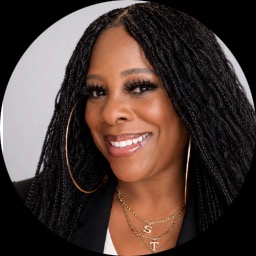
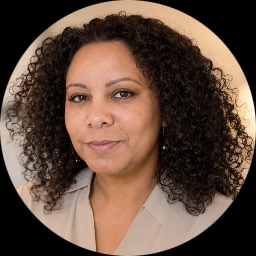
Tinita Samuels
LCSW
Compassionate, practical support for emotional challenges
- Stress, Anxiety
- Grief
- Anger
Clinical social work directory
4,432 therapists list isolation / loneliness among the things they work with. All offer sessions online, and every profile shows the registering body, the membership number and when it runs to.
This directory lists licensed clinical social workers (LCSWs) who note isolation and loneliness among their focus areas. Browse the listings below to read each LCSW's profile, focus areas, languages, and experience.
LCSW
Compassionate, practical support for emotional challenges
LCSW
Compassionate, practical therapy for stressed parents and adults
LICSW, LCSW
Calm, steady support for life’s hard changes
LCSW
Practical, values-driven therapy for life challenges
LCSW
Compassionate, practical support for life transitions
LCSW
Compassionate support for addiction and trauma recovery
LCSW
Calm, practical support for everyday mental health
LCSW
Compassionate social worker focused on practical change
LCSW
Calm, client-led therapy for lasting change
LCSW
Compassionate guidance for relationship and self issues
LCSW
Person-centered care with practical tools
LCSW
Helping people navigate stress and relationship pain
LCSW
Compassionate practical support for everyday challenges
LCSW
Compassionate therapist helping people build stronger coping skills
LCSW
Restorative, practical therapy for everyday challenges
LCSW
Compassionate, practical support for life challenges
LCSW
Practical, strengths-based help for life changes
LCSW
Forward-focused therapist for practical change
LCSW
Practical, values-focused therapy for life problems
LCSW
Compassionate, strengths-based therapy for life transitions
LCSW
Trusted Mississippi LCSW for life transitions
LCSW
Compassionate, practical support for personal growth
LCSW
Practical support for stress and relationship strain
LCSW
Practical, respectful therapy focused on real life
LCSW
Calm, practical therapy for everyday challenges
Experienced social worker and clinician
LCSW
Practical support for stress and relationships
LCSW
Practical, evidence-based support for stress and trauma
LCSW
Calm, practical support for everyday struggles
LCSW
Compassionate, practical therapy for everyday struggles
LCSW
Experienced LCSW providing steady support
LICSW, LCSW, CSW
Practical, compassionate support for life transitions
LCSW, CSW
Compassionate support for trauma and addiction recovery
LCSW
Compassionate guidance grounded in decades of practice
LCSW
Practical, relationship-focused mental health support
Some links on this page are partner links. We will earn a commission if you sign up through one, at no cost to you. It does not change what you pay or the order of the listings.
Feeling isolated or lonely is a common human experience, yet it can take many shapes. Isolation refers to a lack of social contact or limited social networks, while loneliness describes the distress you feel when your relationships do not match your needs or expectations. The two often overlap: you might be surrounded by people and still feel lonely, or you might have few opportunities for social contact and experience emotional or practical consequences as a result. Because social connections support emotional regulation, daily routines, and access to resources, prolonged isolation and chronic loneliness can affect your mood, motivation, and sense of belonging.
When you look for help specifically from therapists who hold an LCSW, you will encounter clinicians whose training emphasizes a person-in-environment perspective. That means an LCSW will consider not only your inward feelings but also the circumstances that shape them - housing, work, family roles, community ties, finances, and access to care. This broader lens can be especially useful when loneliness is linked to life transitions, caregiving demands, unemployment, recent moves, disability, or community-level factors like geographic isolation or lack of transportation.
You might begin to notice patterns that suggest isolation or loneliness is affecting your day-to-day functioning. Common signs include persistent low mood, increased anxiety around social situations, withdrawal from activities you used to enjoy, difficulty concentrating at work or school, and trouble managing daily tasks. Physical symptoms can surface too - disrupted sleep, changes in appetite, or increased fatigue. Loneliness may also show up as repeated interpersonal conflicts, a growing sense that others do not understand you, or a belief that social needs are unchangeable.
If you find yourself avoiding invitations, letting friendships fade, or feeling stuck despite wanting connection, working with an LCSW can provide space to explore the patterns that keep you isolated. Because LCSWs are trained to look at both personal experience and environmental factors, they can help you identify practical barriers to connection as well as the thoughts and feelings that make reaching out harder. Therapy may be useful whether your loneliness is new after a life change or long-standing across many years.
Sessions with an LCSW typically start with an assessment that explores your current challenges, personal history, social supports, and daily circumstances. Early meetings are an opportunity to describe what loneliness feels like for you, to map the social landscape around you, and to set goals that reflect what you want to change. An LCSW will often ask about housing, employment, caregiving responsibilities, transportation, and community involvement because these practical elements shape your options for connection.
As you continue, you can expect collaborative work that blends emotional exploration with practical planning. You may spend time examining relationship patterns, communication habits, or beliefs that lead you to withdraw. At the same time, you and the LCSW might develop small, achievable steps to expand your social network - for example, identifying local groups, volunteering opportunities, or ways to reconnect with old friends. An LCSW can also help you build skills for managing social anxiety, improving conversational confidence, setting boundaries, and maintaining relationships over time.
Licensed clinical social workers use a variety of clinical approaches and often combine methods to fit your needs. You will find therapists who list cognitive behavioral therapy (CBT) among their approaches; these clinicians may focus on identifying thought patterns that increase avoidance and on practicing new behaviors that create opportunities for connection. Others may list interpersonal therapy as a focus, which centers on improving communication, resolving conflicts, and rebuilding social roles. Some LCSWs emphasize strengths-based or narrative approaches that help you reframe your social story and identify resources you already have.
Because the credential is not a modality, the directory records only that a therapist lists certain approaches. You may see LCSWs who list mindfulness-informed practices, emotion-focused strategies, or community-oriented interventions among their approaches. It is accurate to describe these as approaches that a clinician lists, rather than as formal certifications guaranteed by the listing. What distinguishes social work practice is the consistent attention to context - an LCSW will tend to consider how economic pressures, caregiving duties, neighborhood supports, and systemic barriers affect the feasibility of change, and they will work with you to craft interventions that align with your life circumstances.
Online sessions can be a practical option when in-person connection is limited by geography, mobility, or scheduling. Many LCSWs offer video or phone meetings that let you meet from home, a workplace break room, or another comfortable setting. Messaging or brief check-ins may supplement regular sessions for people who benefit from ongoing encouragement as they practice new social steps. Keep in mind that because LCSW licenses are issued and regulated by individual state boards, the rules about providing remote services across state lines vary. That means a therapist who holds an LCSW is permitted to practice according to the laws of the state that issues their license, and cross-state practice may be restricted by state regulations.
When you use online sessions to address isolation and loneliness, you may find it easier to take initial steps - scheduling a virtual meeting can feel less intimidating than walking into a new office. You can also work on real-world social experiments between sessions and return to talk through what felt difficult and what changed. Many people appreciate that online sessions reduce travel time and allow consistent contact while you focus on expanding your social life in your local community.
Choosing the right clinician is a personal process. As you review LCSW profiles, focus on a few practical signals rather than looking for guarantees. Pay attention to whether an LCSW lists isolation, loneliness, social anxiety, relationship concerns, life transitions, or community reintegration among their focus areas. Notice the approaches they list and ask yourself whether those ways of working sound like a fit for your preferences. Language skills, cultural background, and experience with life circumstances similar to yours can matter a great deal when you are addressing connection and belonging.
Also consider logistics that matter to you: whether the clinician offers online sessions in formats you prefer, their stated areas of interest, and any experience they note with populations or situations like yours. Because social work emphasizes person-in-environment, an LCSW who highlights work with housing, employment support, caregiver stress, or community resources may be helpful if your isolation has practical barriers. Ultimately, look for someone whose profile and statements about practice feel aligned with your needs and who communicates in a way that puts you at ease.
Working through isolation and loneliness often takes both emotional processing and practical change. With an LCSW, you can expect attention to the realities of your life as well as to the internal experiences that shape how you connect. Use the listings on this page to read about each LCSW's focus areas, approaches they list, languages, and work history so you can identify clinicians whose backgrounds match the kind of help you want to explore.