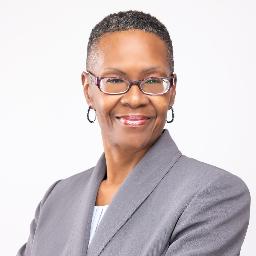
Allysia Steward
LCSW
Calm, practical support for everyday mental health
- Stress, Anxiety
- Grief
- Self esteem
Clinical social work directory
1,305 therapists list disaster relief therapy among the things they work with. All offer sessions online, and every profile shows the registering body, the membership number and when it runs to.
This directory highlights licensed clinical social workers (LCSWs) who list disaster relief and recovery among their focus areas. Use the listings below to explore professionals who work with disaster-related coping, trauma, and practical needs. Browse profiles to learn about each clinician's focus areas, languages, and approaches.
LCSW
Calm, practical support for everyday mental health
LCSW
Compassionate social worker focused on practical change
LCSW
Compassionate therapist helping people build stronger coping skills
LCSW
Restorative, practical therapy for everyday challenges
LCSW
Practical, strengths-based help for life changes
LCSW
Practical, values-focused therapy for life problems
Experienced social worker and clinician
LCSW
Practical, evidence-based support for stress and trauma
LCSW
Calm, practical support for everyday struggles
LCSW
Compassionate, practical therapy for everyday struggles
LCSW
Practical, client-focused support for life changes
LCSW
Practical, relationship-focused mental health support
LCSW
Practical, steady care from an experienced LCSW
LCSW
Practical support for stress and relationships
LCSW, LISW
Practical, strengths-focused therapy for everyday challenges
LCSW, CSW
Experienced Georgia LCSW focused on practical support
LCSW
Compassionate, experienced support for family and life change
LCSW
Compassionate, practical support for life changes
LCSW, LISW-CP
Compassionate social worker focused on practical change
LSCSW, LCSW
Practical, respectful therapy for life changes
LCSW, CSW
Experienced LCSW focused on practical change
LCSW
Compassionate, practical support for life's hard moments
LCSW
Calm, practical support for life’s hard moments
LCSW
Bilingual LCSW focused on practical coping skills
LCSW
Experienced LCSW guiding practical change
LCSW, CSW
Practical support for stress and recovery
LCSW
Therapist focused on practical coping skills
LCSW
Calm, experienced therapist focused on practical change
LCSW
Experienced Texas LCSW providing steady, practical support
LCSW
Compassionate social work with practical steps
LCSW
Experienced LCSW helping people regain balance
LCSW
Compassionate, practical therapy for everyday struggles
LCSW
Compassionate social worker for practical change
LCSW
Experienced LCSW offering practical, steady support
LCSW
Practical trauma recovery and addiction support
LCSW
Compassionate social worker for grief and stress
LCSW
Compassionate, practical therapy for life’s hard moments
LCSW
Compassionate therapy for life’s difficult moments
LCSW
Steady, practical therapy for life transitions
LCSW
Compassionate practical support for everyday struggles
Some links on this page are partner links. We will earn a commission if you sign up through one, at no cost to you. It does not change what you pay or the order of the listings.
When a community faces a natural disaster, technological accident, or large-scale human-caused crisis, the emotional and practical aftermath can be complex and ongoing. Disaster relief therapy is a way people access professional support for the stress, grief, disorientation, and practical disruptions that follow such events. Licensed clinical social workers hold a master's degree in social work, complete a state-set period of supervised post-graduate clinical experience, and pass a clinical licensing examination. Their training emphasizes a person-in-environment perspective, which means an LCSW will consider your housing, work, family, finances, community networks, and access to services alongside your thoughts and feelings. That broader lens can help address immediate emotional needs and the real-world challenges that make recovery harder.
People respond to disasters in different ways depending on prior experience, community resources, cultural background, and the nature of the event. You may find that practical problems - like temporary housing, loss of income, or damaged infrastructure - interact with feelings of shock, anger, sadness, or numbness. An LCSW who lists disaster relief among their focuses can help you navigate both the emotional responses and the systems you need to engage with, including social services, emergency assistance programs, and community organizations. This dual focus is often what brings people to social workers after a disaster.
If you recently experienced a disaster or are still coping with its long-term effects, you may want to consider reaching out for professional support. You might notice recurring intrusive memories of the event, persistent sleep disturbance, heightened irritability, or intense anxiety about safety. Sometimes the signs are less dramatic - difficulty concentrating at work, withdrawing from social connections, or feeling overwhelmed by daily tasks that used to be manageable. Because disasters often disrupt material supports, you may also face new practical burdens that intensify stress and make it harder to recover on your own.
You should consider speaking with a licensed clinical social worker if emotional reactions are interfering with your ability to meet basic needs, maintain relationships, or function at work. You may also want help if you are trying to support family members, children, or neighbors and need guidance on coping strategies and communication. An LCSW's attention to context can be particularly helpful when stressors include housing instability, financial strain, caregiving demands, or changes to your community network. Reaching out early does not mean you have a mental illness - it means you are accessing an experienced professional to help you manage a difficult situation and rebuild routines.
Your first conversations with an LCSW typically begin with an assessment of your immediate needs and what you hope to address in therapy. The clinician will ask about the event, how it affected you and your household, and practical concerns that may need attention. Because LCSWs are licensed by state boards and trained to consider environmental factors, they will often ask about housing, employment, transportation, and support networks as part of understanding your situation. The goal of the initial phase is to identify priorities that can range from emotional stabilization to connecting you with community resources.
Ongoing sessions often blend emotional support with skill-building and problem-solving. You can expect a mix of validating conversations about your reactions, practical planning to address immediate needs, and gradual work on coping strategies such as stress management, grounding techniques, and ways to rebuild routine. If you are supporting children or other family members, an LCSW may help you develop communication strategies and routines that reduce household stress. Sessions are shaped by your goals and the realities of your environment - recovery after a disaster is rarely one-size-fits-all.
Various therapeutic approaches may be used to help people cope after disasters, and clinicians often tailor their work to the needs you describe. You will find therapists who list cognitive-behavioral approaches among their methods to address unhelpful thought patterns and behaviors, and others who list trauma-focused work aimed at reducing the ongoing impact of traumatic memories. Some clinicians list narrative or meaning-centered approaches that help people process the story of what happened and integrate that experience into their life moving forward. It is common to see therapists who list group work or community-focused interventions when collective recovery is a priority.
Because the directory documents the approaches therapists list rather than their specific training, you should look at profiles for descriptions of focus areas and populations served. If cultural context, language, or community connections matter to you, pay attention to those details in profiles. An LCSW's person-in-environment perspective often leads to a blended approach - attending to emotional healing while helping you navigate systems, apply for assistance, or access community networks that support recovery.
Online sessions are a common option for people seeking disaster-related support, especially when local resources are overwhelmed or travel is difficult. When you choose online therapy, be aware that LCSW licensure is issued by individual state boards and scope of practice varies by state. That means whether a specific LCSW can provide services across state lines depends on licensing rules where they and you are located. Profiles generally indicate where a clinician is licensed and the populations they list, which helps you assess whether their services align with your needs.
When you prepare for online sessions, plan for a quiet, comfortable environment where you can speak without interruptions. Make sure you have a reliable internet connection and a device with audio and video capability if you prefer face-to-face contact. It is also helpful to have a short list of immediate concerns you want to address in early sessions - housing questions, school or childcare issues, or emotional reactions - so time is used effectively. If you face urgent safety concerns at any point, identify local emergency numbers or crisis lines in your area, since the clinician may not be able to provide immediate in-person intervention across different jurisdictions.
Choosing the right LCSW for disaster relief support means looking beyond a single label. Compare focus areas, therapeutic approaches listed, years of clinical experience, languages spoken, and any populations the clinician highlights. Read profiles for descriptions of work with communities affected by disasters and for indications of comfort with practical issues like navigating assistance programs. Consider clinicians who emphasize a person-in-environment perspective if you want someone who will address both emotional coping and the concrete challenges that affect recovery. Finally, trust your sense of fit when you read a profile - clear communication, stated focus areas, and an approach that feels respectful of your context can guide your choice.