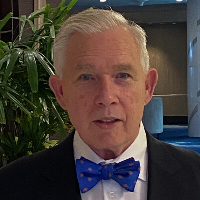
Maria Wilson
LCSW
Compassionate, practical therapy for stressed parents and adults
- Stress, Anxiety
- Relationship
- Family
Clinical social work directory
498 therapists list Existential Therapy among the ways they work. Naming an approach is not evidence of training in it, so ask directly how they use it.
Existential Therapy is a reflective approach that explores meaning, choice, responsibility, and how life circumstances shape your values and purpose. Below you can browse therapists who list Existential Therapy among their approaches and who hold the LCSW credential.
LCSW
Compassionate, practical therapy for stressed parents and adults
LCSW
Practical, values-focused therapy for life problems
LCSW
Practical, respectful therapy focused on real life
Experienced social worker and clinician
LCSW
Practical support for stress and relationships
LICSW, LCSW, CSW
Practical, compassionate support for life transitions
LCSW
Experienced LCSW offering practical, nonjudgmental therapy
LCSW, CSW
Compassionate support for trauma and addiction recovery
LCSW
Practical, steady care from an experienced LCSW
LCSW
Experienced LCSW guiding practical change
LCSW
Practical, skills-focused therapy for life challenges
LCSW
Compassionate, practical therapy focused on everyday life
LCSW
Compassionate, practical therapy for life challenges
LCSW
Practical trauma recovery and addiction support
LCSW
Compassionate, practical therapy for everyday struggles
LCSW
Compassionate therapy for life’s difficult moments
LCSW
Compassionate, practical therapy for life's hard moments
LCSW, CSW
Steady, experienced LCSW focused on lasting change
LCSW
Helping people manage stress and life changes
LCSW
Grounded relational therapy for life changes
LCSW
Practical, present-focused therapy for everyday struggles
LCSW
Compassionate, practical therapy in Texas
LCSW
Calm, practical therapy for everyday life
LCSW
Compassionate, practical therapy for life transitions
LCSW
Compassionate, practical therapy for life challenges
LCSW
Experienced LCSW helping people through trauma and change
LCSW
Practical, person-centered therapy for life changes
LCSW
Caring, practical therapy for everyday struggles
LCSW, CSW
Compassionate social worker focused on practical change
LCSW
Compassionate, practical help for life challenges
LCSW
Experienced LCSW focusing on relationships and resilience
LCSW
Practical, grief-informed remote therapy
LCSW
Compassionate, practical therapy for life challenges
LCSW-C, LCSW
Compassionate, practical support for life’s hard moments
LCSW
Compassionate, practical support for change
LCSW
Practical therapy for stress and relationships
LCSW
Focused, research-informed emotional wellness
LCSW
Practical, person-centered support for real life
Some links on this page are partner links. We will earn a commission if you sign up through one, at no cost to you. It does not change what you pay or the order of the listings.
Existential Therapy centers on questions of meaning, freedom, mortality, and personal responsibility. Rather than focusing only on symptoms, it explores how you make sense of your life, the choices you face, and the limits and possibilities that come with being human. The approach emphasizes subjective experience - the way you perceive your world - and invites you to examine deep concerns such as purpose, authenticity, and how you respond to uncertainty.
When an LCSW brings an existential perspective, their social work training can widen the frame of inquiry. Social work emphasizes a person-in-environment view - looking at housing, work, family, finances, community, and access to services alongside inner experience. That means existential questions about meaning and choice are explored in the context of real-life constraints and supports. You can expect attention to both philosophical concerns and the practical circumstances that shape your options.
People come to existential work for a broad range of concerns where questions of meaning or identity are central. You might seek this approach when facing major life transitions such as career change, relationship endings, becoming a parent, or retirement. Grief and loss often lead people to existential questions about what matters now. Chronic illness or a change in physical ability can also prompt deep reflection about purpose and control.
Existential themes frequently appear with feelings of anxiety, emptiness, or a sense of stuckness that conventional problem-solving has not resolved. You may find yourself asking why certain patterns repeat, whether your choices reflect your true values, or how to live with uncertainty. An LCSW who lists Existential Therapy among their approaches will typically help you explore these responses while also considering social and environmental factors that influence them.
Sessions are usually conversational and reflective rather than highly structured. You and your LCSW may spend time exploring your current concerns, memories, and the meanings you attach to events. Sessions commonly last around 45 to 60 minutes, and the rhythm can shift depending on whether you and the therapist focus on deep philosophical exploration or practical adjustments in everyday life. The tone is often thoughtful and collaborative - the therapist listens closely and asks probing questions to illuminate patterns and assumptions.
In a session you might examine specific choices you are facing, identify values that matter to you, or reflect on how past experiences shape your present sense of identity. Rather than prescribing solutions, your LCSW may help you clarify what matters and explore paths that align with your priorities. Because social work training attends to environmental factors, you can also address concrete issues such as housing, employment, or family dynamics as part of the conversation about meaning and possibility.
Cognitive-behavioral approaches tend to focus on identifying and changing specific thoughts and behaviors that contribute to distress. Existential work is less about correcting thought patterns and more about exploring the bigger questions behind those thoughts - why you hold certain beliefs, how you understand freedom and responsibility, and what sort of life feels authentic to you. That difference changes the types of questions the therapist asks and the pace of the work.
Psychodynamic therapy often emphasizes unconscious processes and the influence of early relationships on current behavior. Existential therapy shares an interest in how history influences you, but it foregrounds conscious choices and the present task of creating meaning. Humanistic approaches value personal growth and authenticity; existential work intersects with humanistic ideas but places stronger emphasis on themes such as mortality and existential anxiety as engines of change. When an LCSW integrates existential themes, they are likely to bring both philosophical inquiry and attention to practical life conditions into the clinical frame.
You may find existential therapy helpful if you are comfortable exploring big-picture questions and reflecting on values, purpose, and mortality. People who prefer open-ended conversation, who want to examine how their life circumstances interact with their inner life, or who are navigating transition or loss often resonate with this approach. It can be offered in brief problem-focused work or in longer-term exploration depending on your goals and preferences.
When you review profiles, look for LCSWs who list Existential Therapy among their approaches and who describe experience with topics you care about, such as grief, life transitions, identity, or chronic health concerns. Pay attention to language about the person-in-environment perspective if you want an approach that attends to practical circumstances as well as internal experience. Consider the populations an LCSW lists - for example age groups, cultural communities, or settings - and whether those align with your needs. Also note languages spoken and whether the therapist mentions cultural humility or experience working across differences.
Review credentials and licensure information to confirm the clinician holds an LCSW and is licensed in the relevant state, since scope of practice and licensing rules vary across states. Look for descriptions that indicate how the clinician integrates existential themes with social work practice - for example by addressing housing, employment, or family systems alongside existential questions. Read about the formats they offer, such as in-person or remote sessions, and check basic administrative details like payment methods and insurance acceptance so you can choose an option that fits your circumstances.
Existential Therapy invites you to explore profound questions about how you want to live while recognizing the influence of your environment. An LCSW who lists this approach can offer a blend of philosophical reflection and social work sensibility that attends to both meaning and the real-life factors shaping your choices. Taking time to read profiles and find someone whose focus areas and experience align with your needs can help you identify a clinician who will support the kind of exploration you seek.