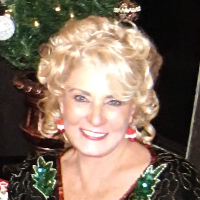
Maria Wilson
LCSW
Compassionate, practical therapy for stressed parents and adults
- Stress, Anxiety
- Relationship
- Family
Clinical social work directory
2,512 therapists list abandonment among the things they work with. All offer sessions online, and every profile shows the registering body, the membership number and when it runs to.
Find licensed clinical social workers (LCSWs) who list abandonment as a focus area on their profiles. These listings highlight credentials, languages, focus areas, and approach descriptions to help you find a match. Browse the listings below to review practitioners and learn more about working with an LCSW for abandonment-related concerns.
LCSW
Compassionate, practical therapy for stressed parents and adults
LICSW, LCSW
Calm, steady support for life’s hard changes
LCSW
Practical, values-driven therapy for life challenges
LCSW
Calm, practical support for everyday mental health
LCSW
Compassionate social worker focused on practical change
LCSW
Compassionate guidance for relationship and self issues
LCSW
Experienced LCSW supporting life changes
LCSW
Helping people navigate stress and relationship pain
LCSW
Compassionate therapist helping people build stronger coping skills
LCSW
Restorative, practical therapy for everyday challenges
LCSW
Compassionate, practical support for life challenges
LCSW
Practical, strengths-based help for life changes
LCSW
Practical, values-focused therapy for life problems
LCSW
Trusted Mississippi LCSW for life transitions
LCSW
Practical support for stress and relationship strain
LCSW
Practical, respectful therapy focused on real life
LCSW
Calm, practical therapy for everyday challenges
Experienced social worker and clinician
LCSW
Practical support for stress and relationships
LCSW
Practical, evidence-based support for stress and trauma
LICSW, LCSW, CSW
Practical, compassionate support for life transitions
LCSW, CSW
Compassionate support for trauma and addiction recovery
LCSW
Compassionate guidance grounded in decades of practice
LCSW
Practical, relationship-focused mental health support
LCSW
Practical, steady care from an experienced LCSW
LCSW, LISW
Practical, strengths-focused therapy for everyday challenges
LCSW
Hopeful, practical therapy for real-life struggles
LCSW
Practical, trauma-informed therapy for everyday challenges
LCSW
Compassionate, practical support for life transitions
LCSW, LISW-CP
Compassionate social worker focused on practical change
LSCSW, LCSW
Practical, respectful therapy for life changes
LCSW
Helping people overcome addiction and relationship strain
LCSW
Calm, practical support for life’s hard moments
LCSW
Bilingual LCSW focused on practical coping skills
LCSW
Experienced LCSW guiding practical change
LCSW
Calm, practical support for daily struggles
LCSW
Practical, skills-focused therapy for life challenges
LCSW
Trauma-informed care with practical tools
Some links on this page are partner links. We will earn a commission if you sign up through one, at no cost to you. It does not change what you pay or the order of the listings.
Abandonment often refers to the experience of being left by someone who mattered to you - a parent, partner, friend, or caregiver - or feeling emotionally disconnected despite someone remaining present. That experience can happen as a single event, such as a sudden breakup or a caregiver leaving, or as a pattern across relationships when care or attention is inconsistent. The effects are not only emotional. You may notice changes in how you approach trust, boundaries, and intimacy, and your day-to-day experience can be shaped by worries about being left again.
When you carry abandonment wounds, you might find that your reactions extend beyond the original event. You could feel heightened anxiety in relationships, struggle with chronic loneliness, act in ways that push others away, or have trouble recognizing your own needs. Because social workers are trained to consider the person in their wider context, an LCSW will look at how your housing, work, finances, and community networks interact with your attachments. That broader view helps make sense of patterns that may seem solely personal but are linked to circumstances around you.
You might be thinking about whether professional help would be useful. People commonly seek support when they notice repeated relationship ruptures, intense fear of rejection, or cycles of clinging and distancing. You may also experience ongoing symptoms such as persistent sadness, anger that feels disproportionate to the situation, or avoidance of close relationships to prevent hurt. These responses can interfere with how you work, rest, and relate to others.
An LCSW holds a master’s degree in social work and has completed supervised clinical experience and a licensing exam governed by a state board. Social work training emphasizes the person-in-environment perspective, so an LCSW will routinely explore how external factors - including housing, employment, family systems, and social supports - contribute to your experience of abandonment. If you want help that situates your feelings within your life circumstances and examines practical barriers as well as emotions, an LCSW can offer that integrated view.
When you begin sessions with an LCSW, expect an initial period where the clinician gathers a detailed history of relationships, life events, and current stressors. This assessment usually covers both your internal experience and the external systems that affect you, such as family dynamics, work pressures, and access to supports. Rather than treating the issue as isolated, your LCSW will seek to understand how these factors interact and shape your responses to loss or separation.
Ongoing sessions typically combine emotional processing with practical strategies aimed at improving how you navigate relationships and daily life. You may explore patterns of attachment, develop skills for managing intense emotions, and practice new ways to communicate needs and boundaries. Because LCSWs are familiar with community resources, they can also help you connect with housing assistance, financial counseling, or support groups when those elements are relevant to healing. Sessions are collaborative, and you should expect to set goals together with the clinician.
Licensed clinical social workers bring a range of approaches to abandonment concerns, and profiles often indicate which orientations a clinician lists. You may find therapists who list psychodynamic or relational approaches that focus on patterns formed in early attachments, and others who list cognitive-behavioral ideas that emphasize identifying and shifting unhelpful thought and behavior patterns. Some LCSWs list humanistic or experiential approaches that prioritize emotional expression, while others list systemic perspectives that examine family and community influences.
Because listing an approach on a profile does not by itself document training or certifications, use the descriptions to guide conversations rather than as definitive proof of expertise. You can look for language that resonates with how you want to work - whether you prefer exploring past relationships, practicing concrete coping skills, or addressing environmental stressors - and then ask an LCSW about how they apply those approaches to abandonment issues during an initial conversation. Many therapists integrate multiple frameworks to suit each person’s needs.
Online sessions with an LCSW often mirror in-person work in pace and content, but they take place via video or phone so you can meet from home or another setting that feels comfortable. You can expect a focus on emotional processing, relationship patterns, and life circumstances just as you would in a face-to-face meeting. Some people find online sessions easier to fit into their schedules and less intimidating than an office visit, while others prefer meeting in person. If you rely on remote visits, discuss with the clinician how they handle emergencies, documentation, and coordination with other services in your area.
Licensing for LCSWs is issued by state boards, and scope of practice and titles can vary across states. Because of these differences, an LCSW’s ability to provide ongoing remote care may depend on where they are licensed and where you are located. It is useful to review a clinician’s profile information about licensure and any notes they provide on practice regions. An LCSW can also describe how they coordinate care with other providers or community services when your situation involves multiple systems.
Start by reading each LCSW profile for stated focus areas, approach descriptions, languages spoken, and experience with issues related to attachment and separation. Look for clinicians who explicitly mention working with abandonment, relationship trauma, or attachment injuries, and note whether they describe addressing practical life factors alongside emotional work. Because the person-in-environment perspective is central to social work, therapists who emphasize context may help you address both feelings and life circumstances that sustain distress.
When you decide to reach out, consider asking how the clinician typically frames abandonment in their work, how they partner with people to set goals, and how they integrate attention to social and practical problems with emotional healing. You might also ask about the length and frequency of sessions they generally recommend for this kind of work, and whether they have experience collaborating with other professionals or community resources. Pay attention to how their explanations land for you - clarity, respect for your perspective, and a focus on your context are useful signs of fit.
Abandonment wounds can be complex because they involve both relational patterns and the circumstances that surround you. Working with an LCSW brings a distinctive lens that joins emotional understanding with attention to housing, finances, family systems, and community resources. Reading profiles to compare focus areas, approaches listed, languages, and experience can help you find a clinician whose way of working matches what you need. Taking the first step to explore options is often the most important move toward building more stable relationships and a stronger sense of yourself.