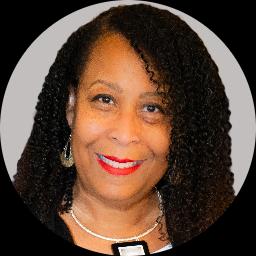
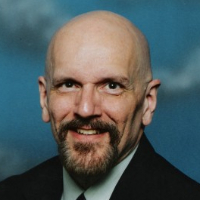
Tinita Samuels
LCSW
Compassionate, practical support for emotional challenges
- Stress, Anxiety
- Grief
- Anger
Clinical social work directory
4,651 therapists list life purpose among the things they work with. All offer sessions online, and every profile shows the registering body, the membership number and when it runs to.
This page lists Licensed Clinical Social Workers (LCSWs) who focus on life purpose and meaning. Browse the profiles below to compare credentials, focus areas, approaches, languages and experience.
LCSW
Compassionate, practical support for emotional challenges
LCSW
Practical support for relationships and personal growth
LCSW
Compassionate, practical therapy for stressed parents and adults
LICSW, LCSW
Calm, steady support for life’s hard changes
LCSW
Practical, values-driven therapy for life challenges
LCSW
Compassionate support for addiction and trauma recovery
LCSW
Calm, practical support for everyday mental health
LCSW
Compassionate social worker focused on practical change
LCSW
Calm, client-led therapy for lasting change
LCSW
Compassionate guidance for relationship and self issues
LCSW
Person-centered care with practical tools
LCSW
Compassionate therapist helping people build stronger coping skills
LCSW
Restorative, practical therapy for everyday challenges
LCSW
Compassionate, practical support for life challenges
LCSW
Practical, strengths-based help for life changes
LCSW
Forward-focused therapist for practical change
LCSW
Practical, values-focused therapy for life problems
LCSW
Compassionate, strengths-based therapy for life transitions
LCSW
Compassionate, practical support for personal growth
LCSW
Compassionate LCSW for practical coping skills
LCSW
Compassionate social worker focused on real-life change
LCSW
Practical support for stress and relationship strain
LCSW
Practical, respectful therapy focused on real life
LCSW
Practical, grounded support for life's hard seasons
LCSW
Calm, practical therapy for everyday challenges
Experienced social worker and clinician
LCSW
Practical support for stress and relationships
LCSW
Practical, evidence-based support for stress and trauma
LCSW
Calm, practical support for everyday struggles
LCSW
Compassionate, practical therapy for everyday struggles
LCSW
Experienced LCSW providing steady support
LICSW, LCSW, CSW
Practical, compassionate support for life transitions
LCSW, CSW
Compassionate support for trauma and addiction recovery
LCSW
Practical support for stress and trauma recovery
LCSW
Compassionate guidance grounded in decades of practice
LCSW
Practical, relationship-focused mental health support
LCSW
Practical, steady care from an experienced LCSW
Some links on this page are partner links. We will earn a commission if you sign up through one, at no cost to you. It does not change what you pay or the order of the listings.
When people talk about life purpose they are referring to a sense of direction, meaning and priorities that guide daily choices and long-term plans. For some this shows up as a career calling or a clear set of values to live by. For others it is a quieter experience - a steady sense that their decisions align with what matters most. That sense can shift over time as work, family, health and community circumstances evolve. You may find that a period of transition - a new job, a relationship change, parenting, retirement or relocation - prompts questions about whether your life reflects your priorities.
Licensed Clinical Social Workers bring a distinct frame to these questions because their training looks beyond the individual to the person-in-environment. That means an LCSW will help you explore how housing, employment, finances, family systems and community resources interact with your internal experience. This broader lens can reveal practical barriers and strengths that shape what feels possible for you. An LCSW’s role is to help you clarify values, notice patterns, and create steps that are grounded in your real-life setting.
You might be wondering whether professional help is appropriate. Common reasons people seek guided support include feeling stuck despite external success, losing interest in activities that used to matter, experiencing a persistent sense of emptiness, or facing a major life transition that raises questions about meaning. You may also notice indecision that interferes with daily functioning - difficulty making choices about work, relationships or where you live - or a mismatch between your values and how you spend your time. These experiences can be emotionally heavy even when they are not a mental health crisis.
Because LCSWs routinely consider both inner life and external conditions, they can be particularly helpful when practical concerns contribute to meaning challenges. If financial strain, caregiving responsibilities, workplace dynamics or limited access to resources shape what options you perceive as realistic, an LCSW can help you map those constraints alongside your aspirations. Seeking support does not mean you need a diagnosis; it means you want a collaborative space to examine what matters and to form a plan that takes your whole life into account.
Sessions with an LCSW focused on life purpose typically begin with time to hear your story and the concrete circumstances that accompany it. You can expect a collaborative approach that invites you to explore values, strengths and obstacles without judgment. Early sessions often include questions about your daily routines, relationships, work and financial situation so the conversation stays rooted in what you can influence. The goal is to translate big questions about meaning into manageable steps you can try between appointments.
Over time you may work on clarifying core values, testing small experiments that align with those values, reframing narratives that limit your choices, and developing practical supports that remove barriers. An LCSW may help you identify community resources, workplace accommodations or advocacy pathways when structural factors affect your options. Progress is rarely linear; you might move forward in some areas while circling back in others. You and your LCSW will decide together which measures of progress feel most meaningful to you, whether that is clearer decision-making, more consistent action toward goals, or greater satisfaction with day-to-day life.
Therapists who list a variety of approaches among their methods often draw from several frameworks when working on life purpose. You may read profiles that mention existential or meaning-centered work, narrative approaches that examine the stories you tell about your life, cognitive-behavioral techniques that address unhelpful thinking patterns, or strengths-based methods that emphasize what already works. Therapists may also reference motivational interviewing when you are weighing change, or acceptance-oriented approaches when you are learning to live with uncertainty.
It is important to remember that the directory records what therapists list as approaches; it does not certify training in any specific method. What distinguishes an LCSW is not a particular modality but their training to see you in context. That means an LCSW is likely to weave practical problem-solving and resource connection into conversations about meaning. If structural obstacles or social determinants of well-being affect your sense of purpose, an LCSW can help you navigate systems, identify supports and plan steps that reflect both your inner values and your external reality.
Online sessions with a licensed clinical social worker can make it easier to connect across distance, schedule constraints and mobility needs. You can meet by video, phone or messaging depending on how a clinician describes their options, and you will typically use a personal room in your home or another comfortable environment where you can speak without interruption. The remote format often supports continuity over a period of change - for instance, if you move cities, start a new job, or travel for family obligations. Many people find that the convenience of online sessions helps them keep momentum when exploring long-term questions about purpose.
When choosing an LCSW to help with life purpose, consider a few key factors. Look for clinicians who list life purpose, meaning, career transitions or related focus areas in their profiles, and note any mentions of populations or life stages they emphasize. Review the approaches they list to see whether their language resonates with how you prefer to work - some people value direct goal-setting while others favor reflective exploration. Think about practical match points like languages offered, cultural or community experience that matters to you, and whether you prefer remote sessions, in-person meetings, or a mix. Since LCSW licensing and scope of practice vary by state, a profile that clearly states the clinician’s credential and location can help you find someone whose licensure aligns with where you live.
Choosing a therapist is a personal decision and it is reasonable to seek a good fit. You might prioritize an LCSW who explicitly integrates person-in-environment thinking if your questions about meaning are closely tied to work, family or structural concerns. Alternatively, you may value someone who highlights narrative or existential approaches if you are seeking deep introspective exploration. The directory enables you to compare credentials, focus areas, approaches, languages and experience so you can identify clinicians whose profiles match what you want to explore.
If you are ready to take a next step, reviewing profiles below will give you details about each licensed clinical social worker’s stated focus areas and background. Framing your initial questions around what matters most to you - values, daily constraints, and any practical supports you need - can help you and a prospective LCSW determine whether their style and experience are aligned with your goals. Exploring life purpose is often a gradual process, and working with an LCSW can help you balance inner exploration with concrete actions that reflect your real-life situation.