Clinical social work directory
Therapists who work with Midlife Crisis
2,242 therapists list midlife crisis among the things they work with. All offer sessions online, and every profile shows the registering body, the membership number and when it runs to.
This directory lists licensed clinical social workers (LCSWs) who identify midlife crisis as a focus area. Use the profiles below to review credentials, focus areas, languages, and experience when exploring options.


Stephen Weiss
LICSW, LCSW
Calm, steady support for life’s hard changes
- Stress, Anxiety
- Addictions
- Relationship

Lynnette Thomas
LCSW
Compassionate social worker focused on practical change
- Stress, Anxiety
- Relationship
- Trauma and abuse


Michelle Lesagonicz
LCSW
Person-centered care with practical tools
- Stress, Anxiety
- Relationship
- Family
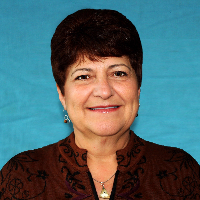

Carolyn Allen
LCSW
Compassionate practical support for everyday challenges
- Stress, Anxiety
- Self esteem
- Career

David Powell
LCSW
Restorative, practical therapy for everyday challenges
- Stress, Anxiety
- Relationship
- Intimacy-related issues

Lynda Wright
LCSW
Practical, strengths-based help for life changes
- Stress, Anxiety
- Trauma and abuse
- Grief

Robert Lindsay
LCSW
Forward-focused therapist for practical change
- Stress, Anxiety
- Relationship
- Family

Chase Carter
LCSW
Practical, values-focused therapy for life problems
- Addictions
- Relationship
- Trauma and abuse

William Margraf
LCSW
Compassionate, strengths-based therapy for life transitions
- LGBT
- Relationship
- Self esteem

Daniel Norvell
LCSW
Compassionate, practical support for personal growth
- Stress, Anxiety
- Addictions
- LGBT

Jack Richey
LCSW
Practical support for stress and relationship strain
- Stress, Anxiety
- Grief
- Self esteem
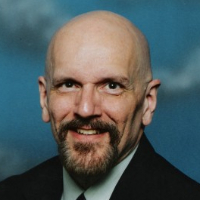
Prof. Craig Hutton
LCSW
Practical, respectful therapy focused on real life
- Stress, Anxiety
- Relationship
- Trauma and abuse

Dr. Ricardo Gillispie, PhD, LCSW
Experienced social worker and clinician
- Stress, Anxiety
- Relationship
- Self esteem

Faryal Choudry
LCSW
Practical support for stress and relationships
- Stress, Anxiety
- Addictions
- Relationship

La Kevia Moore
LCSW
Practical, evidence-based support for stress and trauma
- Stress, Anxiety
- Trauma and abuse
- Self esteem

Amber Wright
LCSW
Calm, practical support for everyday struggles
- Stress, Anxiety
- Self esteem
- Depression

Dr. Kerene Brown
LICSW, LCSW, CSW
Practical, compassionate support for life transitions
- Stress, Anxiety
- Trauma and abuse
- Self esteem


Marilyn Medow
LCSW
Compassionate guidance grounded in decades of practice
- Stress, Anxiety
- Family
- Trauma and abuse

Natalie Talpesh
LCSW
Practical, relationship-focused mental health support
- Stress, Anxiety
- Relationship
- Self esteem

Deborah Zimmerman
LCSW
Practical, steady care from an experienced LCSW
- Addictions
- Trauma and abuse
- Grief

Peggy Hightower
LCSW
Calm support for stress and life changes
- Stress, Anxiety
- Relationship
- Self esteem


Dawn Adler
LCSW, LISW
Practical, strengths-focused therapy for everyday challenges
- Stress, Anxiety
- Relationship
- Trauma and abuse


Annette Burleigh
LCSW
Compassionate, experienced support for family and life change
- Family
- Grief
- Parenting

Matthew Mulock
LCSW
Practical, trauma-informed therapy for everyday challenges
- Stress, Anxiety
- Addictions
- Trauma and abuse

Angelica Rubio
LCSW
Compassionate, practical support for life transitions
- Stress, Anxiety
- Relationship
- Self esteem

Johnnie Terrell
LCSW, LISW-CP
Compassionate social worker focused on practical change
- Stress, Anxiety
- Relationship
- Trauma and abuse


Lauren Moret-Glass
LSCSW, LCSW
Practical, respectful therapy for life changes
- Stress, Anxiety
- Relationship
- Trauma and abuse



Kenneth Denny
LCSW, CSW
Experienced LCSW focused on practical change
- Stress, Anxiety
- Relationship
- Family

Matthew Johnson, III
LCSW
Helping people overcome addiction and relationship strain
- Addictions
- Relationship
- Family

Lydia Fabbroni
LCSW
Compassionate, practical care for mood and life changes
- Stress, Anxiety
- Self esteem
- Bipolar

Marsha Hatchel
LCSW
Calm, practical support for life’s hard moments
- Stress, Anxiety
- Self esteem
- Depression

Cynthia Rumford-Jones
LCSW
Practical, compassionate therapy for life transitions
- Stress, Anxiety
- Anger
- Self esteem
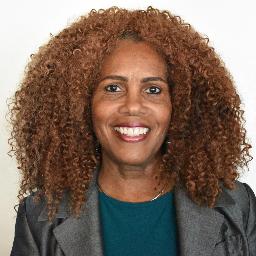

Lisa Butrymowicz
LCSW
Experienced LCSW guiding practical change
- Stress, Anxiety
- Relationship
- Trauma and abuse

Sarah Newmeyer
LCSW
Practical, skills-focused therapy for life challenges
- Stress, Anxiety
- Addictions
- Relationship

Anntoinette Titus
LCSW
Compassionate, practical therapy focused on everyday life
- Stress, Anxiety
- Addictions
- Relationship

Susan Rhodes
LICSW, LCSW
Compassionate social worker who supports change
- Stress, Anxiety
- Addictions
- Family

Michael Robinson
LCSW
Careful, practical support for relationships and identity
- Stress, Anxiety
- Addictions
- LGBT

Some links on this page are partner links. We will earn a commission if you sign up through one, at no cost to you. It does not change what you pay or the order of the listings.
Understanding midlife crisis and how it commonly affects people
Midlife crisis is a phrase people use to describe a period of questioning, restlessness, or major life re-evaluation that often occurs between the late 30s and 60s, although the timing and intensity vary widely. For many, it is triggered by a combination of internal reflection and external change - shifts in family roles, aging parents, career transitions, financial pressure, or changes in health. The experience is not limited to any one demographic. You may find yourself reassessing priorities, feeling a sense of lost purpose, or confronting the gap between expectations and current reality.
When considering professional support, it helps to know what an LCSW brings to this work. A licensed clinical social worker holds a master’s degree in social work, has completed a state-set period of supervised post-graduate clinical experience, and has passed a clinical licensing examination. Licensure is issued and renewed by each state board, so scope of practice and title vary by state. Social work training emphasizes a person-in-environment perspective, which means an LCSW will look at your internal experience together with housing, work, family, finances, community, and access to services rather than treating concerns in isolation. That broader lens can be especially useful amid complex midlife transitions.
Signs you might benefit from therapy for midlife crisis
It can be hard to decide when professional help would be useful. You might consider reaching out to an LCSW if feelings of restlessness, persistent dissatisfaction, intense mood swings, or repeated thoughts about major life changes interfere with daily functioning. Changes in sleep, appetite, or concentration are common signals that underlying stressors are significant. Relationships may become strained when you or a partner are rethinking commitments, and work performance can suffer when existential questions take up emotional energy.
Another sign is repeated pursuit of dramatic changes - quitting a job impulsively, making sudden financial decisions, or starting risky relationships - as attempts to resolve deeper longing or uncertainty. If you find it challenging to weigh options, clarify values, or communicate your needs with others, therapy with an LCSW can provide a structured place to sort through those decisions. Because social workers consider environmental factors, you can also expect discussion of practical steps and supports that relate to housing, caregiving responsibilities, or community resources alongside emotional work.
What to expect in sessions focused on midlife crisis
Initial meetings and goal setting
The first few sessions typically focus on building rapport and understanding the context of your concerns. An LCSW will gather background about your relationships, work, family responsibilities, and any recent life events that contribute to your current state. You can expect a collaborative conversation about what you want to change, what values matter most, and what short- and longer-term goals might look like.
Ongoing work and practical focus
After initial assessment, sessions often combine exploration of meaning with practical planning. You may spend time exploring thought patterns, emotional reactions, and life narratives that feel stuck, while also creating concrete steps to address stressors like caregiving, job transitions, or financial planning. Social work training means many clinicians weave problem-solving and resource navigation into therapy, helping you consider community supports, workplace adjustments, or benefits that can reduce external pressures and free up space for personal reflection.
Common therapeutic approaches for midlife concerns
There is no single method that fits everyone, and LCSWs on this directory describe a range of approaches in their profiles. You will find therapists who list cognitive behavioral therapy (CBT), psychodynamic approaches, acceptance-based methods, narrative work, and relational frameworks among their approaches. When an LCSW notes these approaches in a profile, that indicates they draw on ideas from those traditions to support clients, rather than signaling a fixed formula.
In practice, work for midlife questions often combines emotional processing and experiential reflection with techniques for managing stress and decision making. Some people find benefit in exploring personal history and unseen patterns, while others prefer concrete behavioral experiments to test new ways of living. Because social work emphasizes the person-in-environment, many LCSWs integrate discussions about social roles, caregiving demands, workplace dynamics, and access to services into treatment planning. That blend can help you address internal shifts while managing the real-world circumstances that shape them.
How online sessions with an LCSW work for midlife crisis
Many LCSWs offer sessions over video or phone, which can make it easier to maintain continuity during busy life phases. Online sessions typically follow the same structure as in-person meetings - assessment, goal setting, and ongoing therapeutic work - but they also allow you to engage from a familiar setting or fit sessions into a workday without commuting. If your midlife concerns are intertwined with family or work schedules, virtual sessions can reduce barriers to participation.
When considering online sessions, think about the technology and environment that will let you focus. Decide in advance where you can speak without distraction, and let the clinician know if you need to incorporate brief check-ins with a partner or coordinate around caregiving duties. An LCSW may also help you identify local practical resources if external issues like housing, benefits, or eldercare are part of the picture, because their role includes connecting clients with community supports when helpful.
Choosing the right LCSW for midlife crisis
Finding a good match matters. Start by reviewing profiles to compare focus areas, years of clinical experience, languages spoken, and any notes about populations they often work with. Because this directory lists licensed clinical social workers, you can expect each profile to reflect the LCSW credential, which signals completion of a master’s degree in social work, state-required supervised clinical hours, and passage of a licensing exam. Keep in mind that scope of practice and license title vary by state, so a listed LCSW’s services will be shaped by state board rules.
Think about whether you want a clinician who emphasizes meaning-making and narrative exploration, someone who highlights practical problem-solving and resource navigation, or a blend of both. Look for language in profiles that aligns with your priorities: whether that is working through identity questions, managing caregiving responsibilities, navigating career shifts, or addressing relationship change. You may also note therapists who list specific approaches among their approaches; that can help you identify clinicians whose style matches how you prefer to work. Finally, consider logistics such as session format - in-person, video, or phone - and whether a therapist lists experience with populations that reflect your life stage or cultural background. Those factors can help you find an LCSW whose perspective and experience fit the midlife questions you are facing.
Choosing to explore midlife concerns with a licensed clinical social worker can offer both emotional clarity and practical guidance. Use the profiles below to gather information about credentials, clinical focus, experience, and languages, and reach out to learn more about how a particular LCSW frames work with midlife transitions.