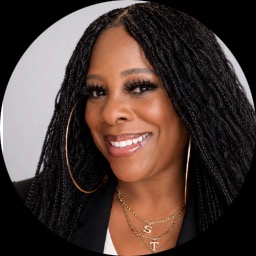
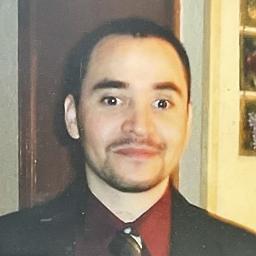
Tinita Samuels
LCSW
Compassionate, practical support for emotional challenges
- Stress, Anxiety
- Grief
- Anger
Clinical social work directory
3,337 therapists list mood disorders among the things they work with. All offer sessions online, and every profile shows the registering body, the membership number and when it runs to.
This page lists licensed clinical social workers (LCSWs) who work with mood disorders and related concerns. Browse the profiles below to review each LCSW's focus areas, approaches they list, languages, and experience.
LCSW
Compassionate, practical support for emotional challenges
LCSW
Compassionate support for stress and sexual concerns
LICSW, LCSW
Calm, steady support for life’s hard changes
LCSW
Compassionate social worker focused on practical change
LCSW
Calm, client-led therapy for lasting change
LCSW
Compassionate guidance for relationship and self issues
LCSW
Experienced LCSW supporting life changes
LCSW
Helping people navigate stress and relationship pain
LCSW
Compassionate therapist helping people build stronger coping skills
LCSW
Restorative, practical therapy for everyday challenges
LCSW
Compassionate, practical support for life challenges
LCSW
Practical, strengths-based help for life changes
LCSW
Practical, values-focused therapy for life problems
LCSW
Trusted Mississippi LCSW for life transitions
LCSW
Compassionate, practical support for personal growth
LCSW
Compassionate LCSW for practical coping skills
LCSW
Practical support for stress and relationship strain
LCSW
Compassionate, practical care for daily struggles
LCSW
Calm, practical therapy for everyday challenges
Experienced social worker and clinician
LCSW
Practical support for stress and relationships
LCSW
Practical, evidence-based support for stress and trauma
LCSW
Calm, practical support for everyday struggles
LCSW
Experienced LCSW providing steady support
LICSW, LCSW, CSW
Practical, compassionate support for life transitions
LCSW
Practical support for stress and trauma recovery
LCSW
Practical, steady care from an experienced LCSW
LCSW
Calm support for stress and life changes
LCSW
Compassionate, practical support for life challenges
LICSW, LCSW
Experienced clinician for stress and trauma
LCSW
Practical support for stress and relationships
LCSW
Helping you make steady, practical change
LCSW, LISW
Practical, strengths-focused therapy for everyday challenges
LCSW
Practical, trauma-informed therapy for everyday challenges
LCSW
Compassionate, practical support for life transitions
LCSW, LISW-CP
Compassionate social worker focused on practical change
LCSW
Practical, steady support for stress and relationships
LCSW, CSW
Experienced LCSW focused on practical change
LCSW
Compassionate, practical care for mood and life changes
Some links on this page are partner links. We will earn a commission if you sign up through one, at no cost to you. It does not change what you pay or the order of the listings.
Mood disorders is a general term clinicians use to describe conditions where mood regulation is a central concern. You may be familiar with names such as major depressive disorder, persistent depressive disorder, bipolar spectrum conditions, and other mood-related diagnoses. These conditions can shape how you feel, think, sleep, eat, and relate to others, and they often affect functioning at work, school, and in relationships. Because moods influence motivation and energy, even routine tasks can feel overwhelming when a mood disorder is present.
When you look for support from a licensed clinical social worker, it can help to know how social work approaches mood concerns. Social work training emphasizes a person-in-environment perspective, which means an LCSW will consider your emotional experience alongside practical factors such as housing, employment, family responsibilities, financial stress, and access to community resources. That context matters because mood symptoms often interact with life circumstances. For example, unstable housing or lack of transportation can increase stress and make maintaining treatment plans harder. An LCSW is trained to attend to those links between your internal state and the environment you live in.
You might decide to seek help when mood symptoms are persistent or when they interfere with the things you care about. Common signs include ongoing sadness or numbness that lasts most days, dramatic mood swings that affect your decision-making, loss of interest in activities that used to bring you pleasure, and sustained changes in sleep or appetite. You may notice increased irritability, trouble concentrating, withdrawal from friends and family, or a decline in work or school performance. Those are all valid reasons to explore professional support.
If your mood changes are paired with difficulties managing everyday responsibilities or handling stressors, an LCSW can help you look at both the emotional patterns and the practical barriers that maintain them. If you are experiencing thoughts of harming yourself or others, or you feel at immediate risk, contact local emergency services or a crisis line right away. For other concerns that are less urgent but still distressing, seeking an assessment from a licensed practitioner can help you clarify the nature of your symptoms and the possible paths forward.
The first sessions with an LCSW typically involve a collaborative assessment. You and the social worker will talk about your current mood, personal history, medical background, life circumstances, and what you hope to change. Because of the social work emphasis on environment, expect questions about housing, work or school, family roles, financial stress, and community supports. The purpose of this broader view is to build a treatment plan that connects emotional goals to practical steps in your everyday life.
After the initial plan is in place, sessions focus on the goals you set together. That may include learning coping strategies for mood symptoms, changing patterns of thinking or behavior that contribute to low mood, improving relationship skills, or addressing environmental barriers like unemployment or housing instability. An LCSW may also coordinate with other professionals if you are seeing a psychiatrist, primary care provider, or community agency, always with your consent. Sessions can be short-term and problem-focused or longer-term and exploratory depending on your needs, and progress is usually reviewed regularly so the plan can be adjusted as you change.
Licensed clinical social workers often list a range of therapeutic approaches on their profiles. You will frequently encounter therapists who list cognitive behavioral therapy (CBT) among their approaches, which focuses on identifying and shifting unhelpful thoughts and behaviors that maintain depressed mood. Some LCSWs list interpersonal therapy, which emphasizes relationships and role transitions as key areas for improving mood. Behavioral activation is another approach you may see listed; it targets activity patterns and routines to increase engagement with rewarding activities.
Other practitioners may list dialectical behavior therapy skills, motivational interviewing, or psychodynamic-informed work among their approaches. It is important to remember that the directory records approaches that a therapist lists, not proof of certification. When you read a profile, you can learn which methods a social worker lists and decide which descriptions resonate with you. Different approaches suit different people, and an experienced LCSW will typically adapt methods to fit your circumstances and goals rather than using a single fixed protocol.
Online sessions with an LCSW can be conducted by video, phone, or messaging, and they follow many of the same steps as in-person work. You can expect an initial assessment, ongoing treatment planning, and skill-building exercises adapted for remote delivery. Many people find remote sessions helpful when transportation, location, or mobility makes in-person care difficult. Because LCSW licensure is granted and regulated by state boards, rules about remote practice can vary by state. If you plan to use online sessions, it is reasonable to ask about the LCSW's licensure state and how they manage record keeping and privacy protections for virtual care.
Preparing for online work is typically straightforward. Make sure you have a device that supports video if you prefer face-to-face interaction, a quiet location where you can speak freely, and a plan for what to do if you experience a technological interruption. Many people are surprised at how effective focused remote sessions can be for managing mood symptoms when the social worker and client can meet reliably and work through practical and emotional concerns together.
When you are comparing profiles, focus on the elements that matter most to you. Look for LCSWs who list experience with mood disorders or related concerns, and read the descriptions of the approaches they list to see which styles appeal to you. Consider practical factors that shape fit, such as languages spoken, familiarity with particular life stages or community issues, cultural competence, and whether the LCSW discusses working with co-occurring stressors like trauma, substance use, or caregiving demands.
Because social work emphasizes a person-in-environment lens, you may find that LCSWs who highlight systems-level knowledge - such as assistance navigating benefits, housing resources, or workplace accommodations - are particularly useful when external stressors are keeping mood symptoms in place. Think about session length and format preferences, whether you want in-person options in your area, and whether you prefer a therapist who lists certain structured approaches or a more relational style. It can help to prepare a brief list of priorities and questions before reaching out so you can quickly identify which LCSW profiles align with what you need.
Finding the right match may take time. You are looking for someone who understands both your emotional experience and the life context that shapes it. Licensed clinical social workers bring a distinct focus on the connections between mood and environment, which can be especially helpful when practical barriers and emotional symptoms interact. Use the profile information to compare focus areas, approaches they list, languages, and experience as you narrow your choices and begin the process of finding care that fits your situation.