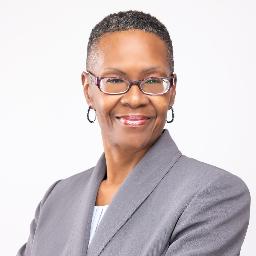
Tinita Samuels
LCSW
Compassionate, practical support for emotional challenges
- Stress, Anxiety
- Grief
- Anger
Clinical social work directory
3,641 therapists list caregiver issues and stress among the things they work with. All offer sessions online, and every profile shows the registering body, the membership number and when it runs to.
This page lists licensed clinical social workers (LCSWs) who focus on caregiver issues and stress. You can browse profiles of practitioners who note this specialty and learn about approaches, experience, and languages below.
Scroll through the listings to explore LCSWs who work with caregivers and then read the information section to better understand what help might look like.
LCSW
Compassionate, practical support for emotional challenges
LICSW, LCSW
Calm, steady support for life’s hard changes
LCSW
Practical, values-driven therapy for life challenges
LCSW
Calm, practical support for everyday mental health
LCSW
Compassionate social worker focused on practical change
LCSW
Experienced LCSW supporting life changes
LCSW
Compassionate practical support for everyday challenges
LCSW
Compassionate therapist helping people build stronger coping skills
LCSW
Restorative, practical therapy for everyday challenges
LCSW
Practical, strengths-based help for life changes
LCSW
Forward-focused therapist for practical change
LCSW
Practical, values-focused therapy for life problems
LCSW
Compassionate social worker focused on real-life change
LCSW
Practical support for stress and relationship strain
LCSW
Practical, respectful therapy focused on real life
LCSW
Compassionate, practical care for daily struggles
LCSW
Practical support for stress and relationships
LCSW
Practical, evidence-based support for stress and trauma
LCSW
Calm, practical support for everyday struggles
LICSW, LCSW, CSW
Practical, compassionate support for life transitions
LCSW
Compassionate guidance grounded in decades of practice
LCSW
Practical, relationship-focused mental health support
LCSW
Practical, steady care from an experienced LCSW
LICSW, LCSW
Experienced clinician for stress and trauma
LCSW
Compassionate, practical support for stressful times
LCSW
Practical support for stress and relationships
LCSW
Helping you make steady, practical change
LCSW, LISW
Practical, strengths-focused therapy for everyday challenges
LCSW
Compassionate therapist for emotional healing
LCSW
Hopeful, practical therapy for real-life struggles
LCSW
Compassionate, experienced support for family and life change
LCSW
Compassionate, practical support for life changes
LCSW
Experienced LCSW offering steady, practical support
LCSW, LISW-CP
Compassionate social worker focused on practical change
LSCSW, LCSW
Practical, respectful therapy for life changes
Some links on this page are partner links. We will earn a commission if you sign up through one, at no cost to you. It does not change what you pay or the order of the listings.
Caregiving can be rewarding and deeply meaningful, and it can also create ongoing demands that affect your energy, relationships, finances, and health. When you are responsible for the daily care of a relative, friend, or partner - whether due to aging, chronic illness, disability, or mental health needs - you may face a combination of emotional strain, role shifts, and logistical challenges. Caregiver issues and stress often arise from long-term responsibility, unpredictable medical needs, limited respite, and the tension between caregiving duties and other parts of life such as work and parenting.
Licensed clinical social workers (LCSWs) bring a perspective that looks at these pressures in context. Social work training emphasizes the person-in-environment perspective, so an LCSW will consider not only your feelings and coping skills but also housing, finances, community supports, workplace demands, and family dynamics. That orientation can help you identify practical adjustments and resources as well as emotional strategies for stress management. Because licensing is done by state boards, LCSWs practice under rules that vary by state, and each LCSW listed here has met the graduate education, postgraduate supervised experience, and examination requirements needed for clinical licensure in their state.
You may find it helpful to speak with an LCSW if caregiving is affecting your mood, energy, or ability to manage daily tasks. Common signs include persistent exhaustion, difficulty sleeping, irritability or frequent tearfulness, a sense of being overwhelmed or trapped, and withdrawal from friends or activities you once enjoyed. Practical signals can appear too - missed work, financial strain, safety concerns around medication or home care, and strained communication with other family members over decision-making.
Another important sign is when stress interferes with the quality of care you want to provide. If you notice frequent mistakes, increasing resentment toward the person you care for, or difficulty coordinating services and supports, these are indications that an outside perspective could help. LCSWs are trained to assess risk factors and to explore options that address both your wellbeing and the needs of the person you support. You do not need to wait until a crisis to reach out; early conversations can help prevent burnout and improve coping over time.
When you meet with an LCSW about caregiver stress, sessions typically begin with an assessment that explores your caregiving role, your emotional and physical responses, and the social and material resources around you. You will likely talk about day-to-day routines, medication or medical appointments, family roles, employment concerns, and any community supports you are using. The LCSW may ask about your goals for care - both for the person you support and for yourself - and about barriers that make those goals difficult.
Therapy with an LCSW often blends practical problem solving with emotional support. That could mean developing plans for managing time and tasks, identifying local resources such as respite programs or support groups, and practicing stress-management skills. It can also mean exploring grief, role changes, or complicated family dynamics that make caregiving harder. Sessions are generally collaborative: you and the LCSW will work together to set priorities and try strategies that fit your situation. Because LCSWs attend to environmental factors, you may spend time on referrals, advocacy, or coordination with other services when appropriate.
There is no single path for addressing caregiver stress, and LCSWs bring a range of approaches depending on their background and the needs you describe. Many LCSWs list cognitive-behavioral approaches among their methods to help you recognize and shift unhelpful thought patterns that contribute to stress and burnout. Others note family systems approaches to address communication, boundary setting, and decision-making among relatives sharing responsibility. Narrative approaches can help you make sense of role changes and loss, while emotion-focused work can support processing grief and anger.
When you review practitioner profiles, you will also see LCSWs who list practical services and community-oriented work, such as care coordination, advocacy, and resource linkage. Because licensure reflects clinical competency rather than specific endorsements, the directory only records what an LCSW lists among their approaches. If you are interested in a particular method - for example, stress management techniques, solution-focused work, or approaches that address trauma responses - pay attention to how an LCSW describes their focus and experience rather than assuming a credential guarantees a specific modality.
Online sessions with an LCSW can be a useful option when caregiving responsibilities make in-person visits difficult. Telehealth lets you attend from home during breaks, from a car between appointments, or while coordinating with other family members. LCSWs who offer remote services will describe whether they work by video, phone, or a combination, and you can consider factors such as technology comfort, privacy at home, and whether you might ever want in-person meetings later.
Online work tends to mirror in-person care in structure: intake assessment, goal-setting, and guided sessions. You may find it easier to involve other family members in sessions remotely, which can help with shared planning and communication. There are practical considerations too - differing state licensing rules affect whether an LCSW can provide telehealth across state lines, and those limits are set by state boards. When you evaluate profiles, note the languages listed, years of experience with caregiver work, and any description of how they approach remote sessions so you can choose an LCSW whose methods fit your routine.
Finding a good fit involves more than a title. Start by thinking about the practical and personal factors that matter to you. Consider whether you prefer an LCSW who highlights work with aging parents, disability caregiving, or chronic illness, and look for descriptions of experience with family conflict, end-of-life planning, or navigating long-term care systems if those areas are relevant. Pay attention to mentioned languages, years of practice, and whether the LCSW emphasizes coordination with medical teams or community resources.
Because social work emphasizes a broad view of people's lives, an LCSW may be a strong match if you want a clinician who will help with both emotional coping and systems-level planning. When comparing profiles, focus on the LCSW's stated focus areas, therapeutic approaches they list, and any notes about populations or settings they work with. That will help you identify practitioners whose skills and perspective align with your caregiving situation. Finally, think about logistics such as session format and the practicalities of scheduling that fit your routine, and look for an LCSW whose description suggests a collaborative style that matches how you like to work.