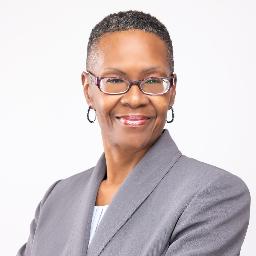
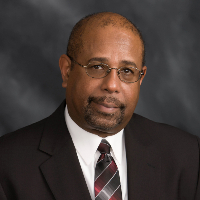
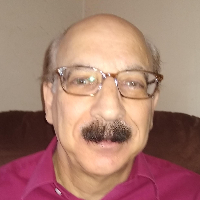
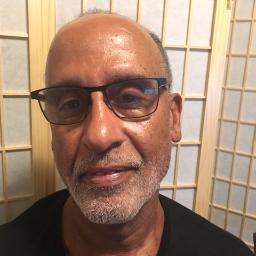
Stephen Weiss
LICSW, LCSW
Calm, steady support for life’s hard changes
- Addictions
- Stress, Anxiety
- Relationship
Clinical social work directory
2,936 therapists list addictions among the things they work with. All offer sessions online, and every profile shows the registering body, the membership number and when it runs to.
This page lists licensed clinical social workers (LCSWs) who identify addictions as a specialty. Browse the listings below to review each clinician's focus areas, approaches, languages, and professional experience.
LICSW, LCSW
Calm, steady support for life’s hard changes
LCSW
Compassionate support for addiction and trauma recovery
LCSW
Compassionate social worker focused on practical change
LCSW
Experienced LCSW supporting life changes
LCSW
Person-centered care with practical tools
LCSW
Helping people navigate stress and relationship pain
LCSW
Restorative, practical therapy for everyday challenges
LCSW
Practical, strengths-based help for life changes
LCSW
Compassionate, practical therapy for addiction and mood issues
LCSW
Practical, values-focused therapy for life problems
LCSW
Compassionate, practical care for everyday struggles
LCSW
Compassionate, practical support for personal growth
LCSW
Compassionate LCSW for practical coping skills
LCSW
Compassionate social worker focused on real-life change
LCSW
Practical, respectful therapy focused on real life
LCSW
Compassionate, practical care for daily struggles
Experienced social worker and clinician
LCSW
Practical support for stress and relationships
LCSW
Compassionate, practical therapy for everyday struggles
LCSW
Experienced LCSW providing steady support
LCSW
Practical, client-focused support for life changes
LCSW
Experienced LCSW offering practical, nonjudgmental therapy
LCSW, CSW
Compassionate support for trauma and addiction recovery
LCSW
Practical, steady care from an experienced LCSW
LCSW
Compassionate, practical support for life challenges
LCSW
Compassionate, practical support for stressful times
LCSW, LISW
Practical, strengths-focused therapy for everyday challenges
LCSW
Hopeful, practical therapy for real-life struggles
LCSW
Practical, trauma-informed therapy for everyday challenges
LCSW
Practical, steady support for stress and relationships
LCSW, CSW
Experienced LCSW focused on practical change
LCSW, LMSW
Supportive clinical social worker focused on practical change
LCSW
Helping people overcome addiction and relationship strain
LCSW
Attachment-informed practical therapy for parents and adults
LCSW, LISW
Compassionate, practical support for life transitions
LCSW
Compassionate, practical support for everyday struggles
LCSW
Practical, skills-focused therapy for life challenges
Some links on this page are partner links. We will earn a commission if you sign up through one, at no cost to you. It does not change what you pay or the order of the listings.
Addictions can involve substances, behaviors, or both, and they often show up as patterns that interfere with work, relationships, health, or daily responsibilities. When you read about addictions, you will see that no single cause explains why someone develops a problem. Biological factors, life stressors, trauma, social context, and access to resources all interact. Because of that complexity, many people find it helpful to work with a licensed clinical social worker who brings a person-in-environment perspective. An LCSW holds a master’s degree in social work, has completed a state-set period of supervised post-graduate clinical experience - commonly two to three years and several thousand hours depending on the state - and has passed a clinical licensing exam. The license is issued and renewed by a state board, so scope of practice and exact titles vary across states.
By looking beyond symptoms alone to consider housing, work, family, finances, community supports, and access to care, an LCSW can help you explore how your environment shapes behavior and recovery options. This broader viewpoint is often useful if you are dealing with recurring patterns, if social or economic factors are part of the picture, or if you need help connecting to resources such as medical providers, peer support, or community programs. Working with a clinician who understands both individual coping and systemic factors can make it easier to plan realistic, sustainable changes.
You might be considering help because friends or family have expressed concern, because you notice repeated negative consequences, or because you want to regain control over a behavior that feels compulsive. Common signals that therapy could be helpful include persistent cravings or urges that interrupt your daily life, difficulty reducing or stopping despite wanting to, repeated negative impacts on your work or relationships, or using substances or behaviors to cope with stress, anxiety, or emotional pain. You may also notice physical signs like changes in sleep, appetite, or energy, or behavioral signs such as hiding use, spending money impulsively, or escalating secrecy.
Another reason to seek an LCSW is when social factors are central to the issue. If housing instability, unemployment, caregiving responsibilities, or legal problems are connected to your substance use or behavioral concerns, a clinician trained in social work can help you address those elements alongside individual treatment goals. You do not need to wait for a crisis to seek help; reaching out earlier can reduce long-term harm and help you set practical goals that fit your life. If there is any concern about immediate safety - for you or someone else - contact local emergency services right away.
When you begin sessions with an LCSW for addictions, the early meetings typically focus on getting a clear picture of your history, current patterns, and immediate needs. You can expect a careful assessment that looks at substance use or behaviors, mental health symptoms, medical history, social supports, living situation, legal or financial concerns, and any prior attempts at change. The clinician will use that information to collaborate with you on goals - whether that means reducing use, stopping a behavior, improving relationships, or managing cravings and triggers.
Sessions often combine practical problem-solving with exploration of the factors that maintain the addiction. You might work on developing coping skills for urges and stress, building routines that support recovery, planning for high-risk situations, and identifying supports in your community. Family involvement is sometimes part of the process if you choose it, and an LCSW can help coordinate referrals to medical providers, medication management when appropriate, or community services. Progress is typically reviewed regularly, and plans are adjusted based on what is working for you. Throughout, the aim is to create a plan that fits your circumstances and goals rather than imposing a one-size-fits-all model.
There is a range of clinical approaches that therapists who hold an LCSW may list among their methods for working with addictions. Cognitive-behavioral approaches commonly appear, focusing on identifying patterns of thinking and behavior that contribute to use and developing concrete skills to change those patterns. Motivational interviewing is another frequent approach that helps people explore ambivalence about change and strengthen their own reasons for pursuing different choices. Some clinicians list relapse prevention strategies, which emphasize identifying triggers, planning responses, and building recovery-supporting routines.
Family systems approaches may also be offered by therapists who list them, addressing relationship dynamics and communication patterns that affect substance use. Harm reduction is a perspective you may encounter that prioritizes reducing negative consequences rather than insisting on total abstinence when that is not feasible or desired. You will also find clinicians who list peer referral practices or collaborative models that connect therapy with medical care or community supports. Remember that the directory notes which approaches a therapist lists, but the presence of a label does not describe the depth of training or supervision; it simply indicates areas the clinician highlights in their practice description.
If you choose to work with an LCSW via online sessions, the basic structure resembles in-person care: intake, assessment, goal-setting, and ongoing sessions. Online sessions can make it easier to access clinicians across state lines when licensing allows, to fit meetings into a busy schedule, or to connect when local options are limited. Technology platforms vary, and sessions may use video or phone formats. When you meet online, you should expect to establish practical arrangements such as how to contact the clinician outside sessions for urgent concerns, what to do in an emergency, and how records and billing are handled by the clinician's practice. Because licensure rules differ by state, clinicians will follow the regulations of the state in which they are licensed.
When selecting a therapist who holds an LCSW for addictions work, focus on factors that matter to you. Look at clinicians' stated focus areas to see whether they mention the specific substance or behavior you are dealing with, whether they list experience with co-occurring mental health concerns, and whether they note work with particular populations or life stages that match your situation. Consider language skills and cultural competence if those aspects affect how comfortable you feel. Review the approaches a clinician lists to understand how they describe their work - for example, if they list motivational interviewing, cognitive approaches, family systems, or harm reduction - and think about which of those perspectives aligns with your goals.
Also consider practical matters such as session format - in-person, online video, or phone - and whether the clinician describes experience working with medical providers or community programs you may need. Read clinician bios to get a sense of their experience and values, and use that information to decide who you feel most likely to work with effectively. Because scope of practice is set by state licensure, if you have questions about what services an LCSW can provide in your state, you may wish to review your state board's licensure information or ask the clinician directly during an initial contact. Taking time to match your goals and preferences with a clinician's described focus areas and approaches can make your therapeutic work more practical and personally relevant.
Finding the right LCSW for addictions is often about alignment - aligning treatment goals, life circumstances, and the clinician's areas of emphasis. Whether you are seeking help for yourself or exploring options for a loved one, the listings on this page are a starting point for reviewing the professional backgrounds and practice descriptions of licensed clinical social workers who list addictions as a specialty. That background information can help you identify clinicians whose perspectives and experience feel like a good fit for the next steps in recovery.