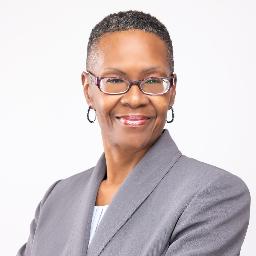
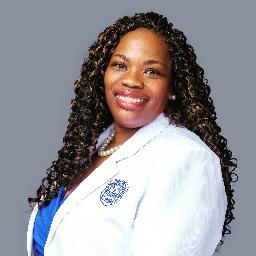
Ameenah Wright-Troutman
LCSW
Compassionate, practical support for life transitions
- Stress, Anxiety
- Grief
- Self esteem
Clinical social work directory
1,444 therapists list veterans among the things they work with. All offer sessions online, and every profile shows the registering body, the membership number and when it runs to.
This directory lists licensed clinical social workers (LCSW) who indicate veterans as a focus. Each profile highlights credentials, focus areas, languages, approaches, and experience to help you explore options. Browse the listings below to learn more about practitioners and their areas of emphasis.
LCSW
Compassionate, practical support for life transitions
LCSW
Compassionate social worker focused on practical change
LCSW
Experienced LCSW supporting life changes
LCSW
Restorative, practical therapy for everyday challenges
LCSW
Practical, values-focused therapy for life problems
LCSW
Compassionate, practical support for personal growth
LCSW
Compassionate LCSW for practical coping skills
LCSW
Practical, respectful therapy focused on real life
LCSW
Practical, evidence-based support for stress and trauma
LCSW
Calm, practical support for everyday struggles
LICSW, LCSW, CSW
Practical, compassionate support for life transitions
LCSW
Practical, steady care from an experienced LCSW
LCSW
Compassionate, practical support for life challenges
LICSW, LCSW
Experienced clinician for stress and trauma
LCSW
Compassionate, practical support for stressful times
LCSW, LISW-CP
Compassionate social worker focused on practical change
LCSW, CSW
Compassionate social worker focusing on relationships
LSCSW, LCSW
Practical, respectful therapy for life changes
LCSW, CSW
Experienced LCSW focused on practical change
LCSW
Calm, practical support for life’s hard moments
LCSW
Experienced LCSW guiding practical change
LCSW
Practical, skills-focused therapy for life challenges
LCSW
Practical, collaborative therapy for real life struggles
LCSW
Compassionate, practical therapy for life challenges
LCSW
Experienced LCSW offering practical, steady support
LCSW
Compassionate practical support for life’s hard moments
LCSW
Calm, practical support for real-life challenges
LCSW
Compassionate, practical therapy for everyday struggles
LCSW
Compassionate, practical therapy for life’s hard moments
LCSW
Compassionate therapy for life’s difficult moments
LCSW
Steady, practical therapy for life transitions
LCSW
Compassionate, practical therapy for real-life challenges
LCSW
Compassionate, practical therapy for life's hard moments
LCSW
Compassionate, practical help for emotional challenges
LCSW
Compassionate practical therapy for everyday struggles
Some links on this page are partner links. We will earn a commission if you sign up through one, at no cost to you. It does not change what you pay or the order of the listings.
If you are a veteran or supporting someone who served, you already know that military experience can shape many parts of life. Deployment, combat exposure, military culture, frequent moves, and the process of reintegration into civilian life often affect work, relationships, finances, housing, and community connections. Those external circumstances interact with inner experience - mood, sleep, memory, and the ways you relate to others. Licensed clinical social workers (LCSW) bring a perspective that looks at both sides of that equation. An LCSW's training emphasizes the person-in-environment idea, which means they consider your social context alongside your internal experience when helping you navigate challenges.
You may face challenges that developed during service, after discharge, or gradually over time. Some people notice increased anxiety in crowded spaces, trouble trusting others, recurring memories, or difficulty adjusting to family roles. Others struggle with practical matters like housing, employment, or accessing benefits. Because an LCSW is licensed to provide clinical services and also trained to assess broader situational factors, you may find their way of working helpful when concerns reach across personal and practical domains.
You might consider reaching out to a therapist who holds an LCSW if you notice persistent changes that interfere with daily life. These could include ongoing sleep disruption, repeated intrusive memories, avoidant behavior that limits work or social activity, or mood shifts that affect relationships. You might be navigating legal, financial, or housing stress that compounds emotional strain. Some veterans seek help for substance use that began or escalated after service, or for grief and loss related to fellow service members or major life transitions.
If you are trying to make sense of how service experience connects with current struggles, an LCSW's training in person-in-environment assessment can help you explore those links. You may also look for a therapist who lists veterans as a focus because they are more familiar with military culture, common stressors, and systems such as the Department of Veterans Affairs or community-based veteran resources. That familiarity can make it easier to talk about service-related topics in ways that feel understood.
When you work with a licensed clinical social worker who focuses on veterans, sessions typically begin with an assessment that covers both your internal experience and your external circumstances. You can expect questions about service history, current stressors, relationships, housing, work or school, legal or financial pressures, and access to care. The goal of assessment is to create a full picture of how various factors interact rather than treating symptoms in isolation.
Subsequent sessions can vary depending on your goals. You might spend time processing memories or emotions, developing coping skills for anxiety or sleep problems, addressing substance use, or planning practical steps for housing, employment, or benefits advocacy. An LCSW is trained to integrate clinical understanding with case management strategies when needed, so work might shift between talk-based interventions and problem-solving around systems that affect your daily life. You should expect a collaborative process where you and the LCSW set goals and revisit them as your needs change.
Therapists who hold an LCSW may list a range of approaches on their profiles. Some list cognitive-behavioral approaches to address patterns of thinking and behavior that maintain distress. Others list trauma-focused methods and may specifically note exposure-based strategies or skills for managing intense memories and emotions. You will also find profiles where therapists list narrative, strengths-based, or relational approaches that focus on meaning, identity, and rebuilding relationships.
It is important to note that a listed approach does not confirm a therapist's level of specialization or specific training. Profiles report approaches therapists say they use, so you will see phrasing such as therapists who list EMDR among their approaches or therapists who list cognitive-behavioral methods. When you review profiles, look for language that aligns with your goals and comfort level. Some people prefer a skills-focused path to reduce symptoms quickly, while others want space to explore how service shaped their life story and relationships. Because LCSWs bring both clinical and systems-based perspectives, many combine symptom work with practical problem solving related to housing, employment, and community supports.
Online therapy generally takes place over video, phone, and sometimes text-based messaging platforms. When you choose to work online with a therapist who holds an LCSW, you can access clinical care from home, a place you trust, or another location that fits your schedule. Telehealth can reduce travel time, make it easier to fit sessions into a workday, and connect you with clinicians who list veterans as a focus outside your immediate area.
Licensure matters with online care because LCSW licenses are issued by state boards and scope of practice varies by state. Regulations about interstate telehealth can differ, so it is helpful to be aware of licensing rules that apply to your situation. Online sessions can be effective for many kinds of concerns commonly seen among veterans, including mood and anxiety symptoms, sleep problems, and relationship strain. If you rely on additional supports or need in-person services for any reason, an LCSW can often coordinate with local resources or suggest next steps to address practical barriers such as housing or benefits navigation.
When selecting a therapist who holds an LCSW with a veterans focus, consider the elements that matter most to you. Look at focus areas and keywords on profiles to find clinicians who mention military experience, reintegration, trauma, substance use, or the specific issues you are facing. Read the descriptions of approaches and remember that profiles report what therapists list; therapists who list EMDR among their approaches and therapists who list cognitive-behavioral work will appear across profiles, but listing does not certify training.
Also pay attention to language, cultural fit, and practical details such as whether a therapist lists experience working with veterans of particular eras, branches, or roles you identify with. Consider the importance of language spoken, if that matters to you, and the therapist's approach to case planning and systems navigation. Many people find it helpful to think ahead about session goals - symptom relief, relationship work, practical case management, or benefits assistance - and look for an LCSW whose profile reflects similar priorities. Comparing focus areas, approaches, credentials, languages, and experience can help you narrow choices. Ultimately you should feel that the clinician listens to your story, understands the interplay between your life context and internal experience, and works with you to set clear, realistic goals.
Working with a licensed clinical social worker who lists veterans as a focus does not guarantee a particular method or outcome, but it connects you with clinicians whose training includes both clinical practice and attention to the broader life factors affecting wellbeing. Use profiles to explore options, read how therapists describe their focus, and prioritize the practical and relational qualities that matter most to you as you decide where to reach out next.