Clinical social work directory
Therapists who work with Emotionally-Focused Therapy (EFT)
903 therapists list Emotionally-Focused Therapy (EFT) among the ways they work. Naming an approach is not evidence of training in it, so ask directly how they use it.
Emotionally-Focused Therapy (EFT) is an emotion-centered, attachment-informed approach used to help people and couples understand and change distressing patterns. Below you can browse licensed clinical social workers (LCSWs) who list Emotionally-Focused Therapy (EFT) among their approaches.

Stephen Weiss
LICSW, LCSW
Calm, steady support for life’s hard changes
- Stress, Anxiety
- Addictions
- Relationship

Ersha Mitchell
LCSW
Practical, values-driven therapy for life challenges
- Stress, Anxiety
- LGBT
- Trauma and abuse


LaTisha Honor
LCSW
Compassionate guidance for relationship and self issues
- Relationship
- Trauma and abuse
- Intimacy-related issues

Dr. Virginia Clark
LCSW
Experienced LCSW supporting life changes
- Stress, Anxiety
- Addictions
- Trauma and abuse
Laura Hennessy
LCSW
Helping people navigate stress and relationship pain
- Stress, Anxiety
- Addictions
- Relationship

David Powell
LCSW
Restorative, practical therapy for everyday challenges
- Stress, Anxiety
- Relationship
- Intimacy-related issues

Chase Carter
LCSW
Practical, values-focused therapy for life problems
- Addictions
- Relationship
- Trauma and abuse

Dr. & Mrs. Joy Rodriguez
LCSW
Compassionate LCSW for practical coping skills
- Stress, Anxiety
- Addictions
- Relationship

Prof. Craig Hutton
LCSW
Practical, respectful therapy focused on real life
- Stress, Anxiety
- Relationship
- Trauma and abuse
Carolyn Sultana
LCSW
Calm, practical therapy for everyday challenges
- Stress, Anxiety
- Relationship
- Trauma and abuse

Dr. Ricardo Gillispie, PhD, LCSW
Experienced social worker and clinician
- Stress, Anxiety
- Relationship
- Self esteem

Faryal Choudry
LCSW
Practical support for stress and relationships
- Stress, Anxiety
- Addictions
- Relationship

Deborah Youngblood
LCSW
Compassionate, practical therapy for everyday struggles
- Stress, Anxiety
- Relationship
- Family

Dr. Kerene Brown
LICSW, LCSW, CSW
Practical, compassionate support for life transitions
- Stress, Anxiety
- Trauma and abuse
- Self esteem

Natalie Talpesh
LCSW
Practical, relationship-focused mental health support
- Stress, Anxiety
- Relationship
- Self esteem

Shandrieka Vallare
LCSW
Practical support for stress and relationships
- Stress, Anxiety
- Relationship
- Depression


Gary Swan
LCSW
Practical, steady support for stress and relationships
- Stress, Anxiety
- Addictions
- Relationship


Lisa Butrymowicz
LCSW
Experienced LCSW guiding practical change
- Stress, Anxiety
- Relationship
- Trauma and abuse
Michael Robinson
LCSW
Careful, practical support for relationships and identity
- Stress, Anxiety
- Addictions
- LGBT

Joel Brooks
LCSW
Calm, experienced therapist focused on practical change
- Stress, Anxiety
- Addictions
- Relationship

Evalee Smith
LISW, LCSW, CSW
Compassionate social worker who values practical steps
- Stress, Anxiety
- Parenting
- Anger

Majeeda Muhammad Solivan
LCSW
Compassionate, practical support for real-life struggles
- Addictions
- Relationship
- Self esteem

Deborah Taylor
LCSW
Experienced Illinois LCSW helping with mood and relationships
- Stress, Anxiety
- Relationship
- Trauma and abuse

Alona Perlin
LCSW
Compassionate, practical therapy for everyday struggles
- Stress, Anxiety
- Relationship
- Trauma and abuse


Kimberly Sylla
LCSW
Compassionate, practical therapy for life’s hard moments
- Stress, Anxiety
- Addictions
- LGBT

Robin Burns
LCSW
Compassionate therapy for life’s difficult moments
- Stress, Anxiety
- Relationship
- Trauma and abuse


Tajanay Keaton-Chesson
LCSW
Compassionate skills-based therapy for real life
- Stress, Anxiety
- Relationship
- Trauma and abuse

Barry Wasser
LCSW
Calm, practical therapy for everyday struggles
- Stress, Anxiety
- Relationship
- Trauma and abuse

Angela Heck
LCSW
Compassionate support for relationship and intimacy concerns
- Relationship
- Trauma and abuse
- Intimacy-related issues


Ginger Vanmeter
LCSW
Compassionate, practical therapy for life's hard moments
- Stress, Anxiety
- Relationship
- Parenting

Elva 'Julia' Garafola
LCSW
Gentle practical therapy for life transitions
- Stress, Anxiety
- Relationship
- Grief

Victoria Echeverry Navia
LCSW
Calm, practical support for life transitions
- Stress, Anxiety
- Relationship
- Family

Tammy Adams
LCSW
Compassionate, practical support for life’s hard moments
- Stress, Anxiety
- Addictions
- LGBT

Ashley Brummett
LCSW
Compassionate social worker focused on practical support
- Stress, Anxiety
- Grief
- Depression

Alejandro Holguin
LCSW
Practical support for stress, relationships, and life changes
- Stress, Anxiety
- Relationship
- Anger

Trina Hill
LCSW
Grounded support for stress, loss, and addiction recovery
- Stress, Anxiety
- Addictions
- Trauma and abuse

Angela Whitecrane Widdicombe
LCSW, LMFT
Seasoned relational clinician and addiction support
- Stress, Anxiety
- Addictions
- Relationship

Willie Whited
LCSW, CSW
Steady, experienced LCSW focused on lasting change
- Stress, Anxiety
- Addictions
- Trauma and abuse
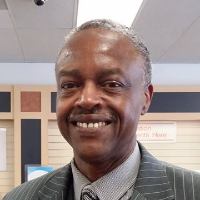
Nicole Porter
LCSW, CSW
Practical support for stress, relationships, and life change
- Stress, Anxiety
- Relationship
- Family

Dr. Lakisha Ellison
LCSW
Compassionate, practical support for life’s challenges
- LGBT
- Relationship
- Family
Some links on this page are partner links. We will earn a commission if you sign up through one, at no cost to you. It does not change what you pay or the order of the listings.
What Emotionally-Focused Therapy (EFT) is and the principles behind it
Foundations and theory
Emotionally-Focused Therapy, widely referred to as EFT, is rooted in attachment theory and experiential techniques. At its core, EFT treats emotions as a primary source of information about relationship needs and personal meaning. When you enter EFT work, the focus is on identifying recurring interaction patterns, noticing the emotions that drive those patterns, and shifting those emotions in ways that create new relational responses. Therapists who use EFT work to help people access vulnerable feelings beneath anger or withdrawal and to translate those feelings into expressions that invite connection.
When you choose to see a licensed clinical social worker (LCSW) who lists EFT among their approaches, you may find a practitioner who combines clinical emotion work with a social work perspective. Social work training emphasizes a person-in-environment view, which means your therapist will likely attend not only to your internal experience but also to the context around you - housing, employment, family roles, community, and access to supports. That broader lens can help you understand how external circumstances shape emotional patterns and relationship dynamics.
What types of issues EFT is commonly used for
Common concerns addressed
EFT is often used for relationship distress, attachment ruptures, and difficulties where emotions drive repetitive, painful interactions. Couples frequently seek EFT to address cycles of criticism and withdrawal, to restore a sense of safety and emotional responsiveness, and to rebuild trust after breaches. Individuals turn to EFT when they want to resolve chronic loneliness, process grief, or work through patterns rooted in early attachment experiences.
You will also see therapists applying EFT principles to issues such as anxiety and depression when those problems are maintained by entrenched emotional responses or relationship strains. Because EFT invites you to explore and re-experience emotions in the therapy room, it can be helpful when you want a more experiential path to change rather than a primarily cognitive or skills-focused approach. Keep in mind that therapists list approaches for many reasons, and what you want from therapy - symptom relief, relational repair, or deeper emotional understanding - should guide your search.
What a typical EFT session looks like
Structure and what to expect
In an EFT session you can expect a collaborative, emotion-focused process. Sessions commonly begin with the therapist helping you and any partner or family members identify the immediate emotional cycle that brought you to therapy - the recurring thoughts, feelings, and behaviors that escalate conflict or emotional shutdown. The therapist will guide you to notice not only the outward actions but the underlying vulnerable feelings and attachment needs.
Therapists who list EFT often use evocative questioning and reflective interventions to help you access primary emotions - such as fear, sadness, or yearning - that sit under secondary defenses like anger or numbness. In couples work, the therapist may facilitate enactments where one partner expresses a vulnerable emotion and the other practices a responsive reply. Individual sessions can include imaginal work, chair work, or focused attention on bodily sensations to deepen emotional processing. Sessions are typically experiential, meaning you will be invited to feel, express, and reshape emotional responses with the therapist's guidance.
Your LCSW may also integrate social work-informed assessments of external stressors. That might mean pausing the emotion-focused work to address practical barriers - for example, housing instability, workplace stress, or family caregiving responsibilities - that affect emotional availability. This integration ensures that emotional shifts are grounded in the realities of your life.
How EFT differs from other common approaches
Comparing methods and focus
EFT differs from cognitive-behavioral approaches in that its primary focus is on emotion and attachment rather than on restructuring thoughts or building specific behavioral skills. Where cognitive-behavioral work targets maladaptive thought patterns and teaches coping techniques, EFT emphasizes feeling states and the relational contexts that maintain them. Compared with psychodynamic therapy, which often explores historical patterns and unconscious conflicts over long timeframes, EFT tends to be more directive and focused on present-moment emotional experiences within relationships.
The experiential emphasis of EFT sets it apart from solution-focused or skills-based therapies. In EFT you will work to access and transform core emotional responses rather than simply learning strategies to manage symptoms. At the same time, a licensed clinical social worker offering EFT may blend approaches as needed, bringing in practical problem-solving or resource coordination where life circumstances interfere with emotional work. This combination can make EFT particularly approachable if you want change that addresses both feelings and life conditions.
Who is a good candidate for EFT and how to find the right therapist
Fit, readiness, and practical search tips
EFT can be a good fit if you are motivated to explore emotions and mend relational patterns, if you are willing to tolerate vulnerability in session, and if you want a therapy that centers attachment and emotional experience. Individuals and couples looking to understand repetitive cycles, increase emotional responsiveness, or repair attachment wounds often seek EFT. You should consider whether you are ready for work that asks you to sit with strong feelings and to try new ways of expressing needs in relationships.
When looking for a therapist who lists EFT, focus on credentials and areas of interest. A licensed clinical social worker (LCSW) holds a master's degree in social work, has completed a state-set period of supervised post-graduate clinical experience - commonly around two to three years and several thousand hours, depending on the state - and has passed a clinical licensing examination. Licenses are issued and renewed by state boards, so scope of practice and title can vary by location. Use that background information to evaluate clinical experience alongside the approaches and populations a therapist highlights.
In your search, pay attention to the populations a therapist notes - for example, whether they work primarily with couples, individuals, or specific age groups - and the languages they speak and other areas of professional focus. Look for descriptions that match what you want to work on, such as attachment concerns, relationship repair, or emotion regulation. Because the directory lists therapists who indicate their approaches, remember that a listing means the therapist includes EFT among the methods they use rather than a guarantee of a particular certification. Comparing focus areas, clinical interests, and professional experience will help you identify LCSWs whose practice aligns with your needs.