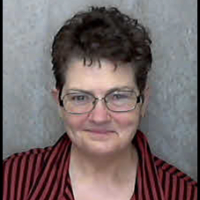
Julie Elliott, MD, LCSW-C, LCSW
Licensed in Texas · 35 years in practice
Julie Elliott brings a long clinical path to her work. She trained in social work and holds a Doctor of Medicine degree along with clinical social work credentials, and she has practiced for decades.
License and registration
- LCSW, Texas
- 18740 · expires August 2027
- LMFT, Texas
- 4067 · expires August 2026
- LCSW, Connecticut
- 15698 · expires August 2026
- LCSW-C, Maryland
- 34119 · expires October 2027
- LCSW, New Hampshire
- 5827 · expires October 2027
- NPI
- 1831324185 · national provider identifier
- Years in practice
- 35
- Languages
- English
Details are as listed on the therapist's public professional profile. You can check any license with the state board and any NPI with the national registry.
About Julie
Julie Elliott brings a long clinical path to her work. She trained in social work and holds a Doctor of Medicine degree along with clinical social work credentials, and she has practiced for decades. She is based in Texas and combines her background with a calm, direct style that parents often find reassuring.
Her approach is practical and down-to-earth. Sessions focus on what is happening now and what steps can help a person feel steadier.
Background and approach
She talks through stress, anxiety, grief, addiction, relationship strains, and parenting challenges in simple terms. Therapy also covers issues like trauma and abuse, eating and sleeping difficulties, and career or life changes. Julie draws on several well-known approaches to tailor sessions to each person.
She uses client-centered work to follow what a person needs. She applies cognitive behavioral ideas to spot and shift unhelpful thoughts and behaviors. Attachment-focused and emotion-focused elements help when relationship patterns or hurt from the past are part of the problem.
Her long experience means she has supported people through many different crises and transitions. That includes work around bereavement, caregiver stress, blended family concerns, and substance use. She also addresses issues such as body image, self-esteem, and codependency.
Goals in sessions are set together and adjusted over time. Julie aims to help people build coping skills, improve communication, and regain a sense of control. The pace and focus are matched to each person’s needs and life situation.
Focus areas and approaches
Everything Julie lists on their public professional profile, in their own terms.
- Stress, Anxiety
- Relationship issues
- Family conflicts
- Trauma and abuse
- Depression
- Addictions
- LGBT
- Grief
- Intimacy-related issues
- Eating disorders
- Sleeping disorders
- Parenting issues
- Anger management
- Self esteem
- Career difficulties
- Bipolar disorder
- Coping with life changes
- Compassion fatigue
- Abandonment
- Adoption and foster care
- Aging and geriatric issues
- Attachment issues
- Blended family issues
- Body image
- Caregiver issues and stress
- Co-morbidity
- Codependency
- Commitment issues
- Communication problems
- Dependent personality
- Divorce and separation
- Domestic violence
- Drug and alcohol addiction
- Eating and food-related issues
- Emptiness
- Family of origin issues
- Family problems
- First responder issues
- Forgiveness
- Guilt and shame
- Hospice and end-of-life counseling
- Impulsivity
- Infidelity
- Isolation / loneliness
- Life purpose
- Midlife crisis
- Veteran and Armed Forces Issues
- Mood disorders
- Panic disorder and panic attacks
- Personality disorders
- Post-traumatic stress
- Self-harm
- Self-love
- Sexual assault and abuse
- Sexuality
- Social anxiety and phobia
- Women's issues
- Workplace issues
- Young adult issues
Approaches Julie names
- Attachment-Based Therapy
- Client-Centered Therapy
- Cognitive Behavioral Therapy (CBT)
- Dialectical Behavior Therapy (DBT)
- Emotionally-Focused Therapy (EFT)
- Existential Therapy
- Eye Movement Desensitization and Reprocessing (EMDR)
- Mindfulness Therapy
- Motivational Interviewing
- Narrative Therapy
- Solution-Focused Therapy
- Trauma-Focused Therapy
Naming an approach is not evidence of training in it. This directory copies what each therapist lists and does not check training records.
Online support
How Julie’s approaches translate to online care
Attachment-Based Therapy helps people notice patterns from early relationships and how those patterns affect current bonds. In online work this can guide conversations about closeness, trust, and recurring conflicts. Client-Centered Therapy focuses on following what the person brings to a session and offering empathic understanding, which supports honest conversation whether on video or by message. Cognitive Behavioral Therapy (CBT) breaks down problems into thoughts, feelings, and actions and teaches practical steps to change them; it is useful for anxiety, mood changes, sleep problems, and coping strategies delivered over calls or chat.Choosing the right approach is a collaborative process. The therapist and client work together to see which methods fit the goals, symptoms, and personal preferences. Plans are revisited and adjusted as progress is made or needs change.
Online formats include video calls, phone sessions, live chat, and text-based messaging. Video is useful for deeper conversational work and nonverbal cues. Phone sessions can be easier when bandwidth is limited or a camera isn't wanted. Live chat or messaging can support short check-ins, skill practice, or people who prefer written communication. These options make scheduling more flexible and can help therapy fit around work, parenting, or busy days.
We will earn a commission if you sign up through our link, at no cost to you. It does not change what you pay or the order of the listings.
Questions people ask
What concerns does Julie often address?
She helps with stress, anxiety, depression, trauma and abuse, addictions, grief, relationship and intimacy-related issues, parenting strain, and many related concerns.
How would you describe her therapeutic style?
Her style is straightforward and supportive. She mixes client-centered listening with practical techniques to change thoughts and behaviors.
What is her professional background?
Julie has 35 years of clinical experience and a medical degree combined with clinical social work credentials.
Where is Julie licensed and based?
She is based in Texas and holds the listed clinical social work credentials.
Are sessions offered in other languages or to international clients?
Sessions are offered in English and she accepts international clients.
What formats are available for sessions?
She meets by video calls, phone sessions, live chat, and text-based messaging to fit different needs and schedules.
How does cost and billing work?
Costs vary by location and therapist availability; sessions use a subscription that can be canceled at any time.
How do I begin working with her?
Click the Start Therapy button, complete a short matching questionnaire, and schedule based on therapist availability.
More therapists in Texas
See allTinita Samuels
LCSW
Compassionate, practical support for emotional challenges
- Stress, Anxiety
- Grief
- Anger
Ersha Mitchell
LCSW
Practical, values-driven therapy for life challenges
- Stress, Anxiety
- LGBT
- Trauma and abuse


Juanita Perry-Hoffman
LCSW
Experienced LCSW offering steady practical support
- Stress, Anxiety
- Relationship
- Family
Is this your profile?
Ask us to correct details or take the page down.
Contact us