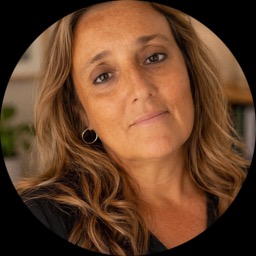
Tinita Samuels
LCSW
Compassionate, practical support for emotional challenges
- Stress, Anxiety
- Grief
- Anger
Clinical social work directory
617 Licensed Clinical Social Workers in this directory hold a license issued in Texas. Sessions are online; a therapist can usually only see people in the states where they hold a license, so check the license panel on each profile.
Welcome to our directory of online therapists serving Texas. All profiles on this page list clinicians who hold a current LCSW license issued by a state board. Explore the listings to learn about focus areas, approaches, languages, and experience to find a match for your needs.
LCSW
Compassionate, practical support for emotional challenges
LCSW
Practical, values-driven therapy for life challenges
LCSW
Experienced LCSW offering steady practical support
LCSW
Compassionate LCSW for practical coping skills
LCSW
Practical, grounded support for life's hard seasons
LCSW
Practical, respectful therapy for everyday struggles
LCSW
Practical support for stress and trauma recovery
LCSW
Practical, steady care from an experienced LCSW
LCSW
Practical support for stress and relationships
LCSW
Helping you make steady, practical change
LCSW
Compassionate, practical support for life changes
LCSW, LMSW
Supportive clinical social worker focused on practical change
LCSW
Calm, practical support for everyday stress
LCSW
Trauma-informed care with practical tools
LICSW, LCSW
Compassionate social worker who supports change
LCSW
Experienced Texas LCSW providing steady, practical support
LCSW, LIMHP
Practical support for anxiety and relationship strain
LCSW
Compassionate practical support for life’s hard moments
LCSW
Compassionate therapy for life’s difficult moments
LCSW
Compassionate, practical support for life changes
LCSW
Compassionate evidence-based care for adults
LCSW
Compassionate support for change and direction
LCSW
Compassionate, practical therapy for anxiety and trauma
LCSW
Compassionate, practical support for adults
LCSW
Practical, person-focused therapy for everyday struggles
LCSW
Practical, evidence-based support for life’s challenges
LCSW
Calm practical care for stress and trauma
LCSW
Compassionate, practical therapy in Texas
LCSW
Compassionate, practical care for stress and trauma
LCSW
Compassionate, steady support for complex struggles
LCSW
Compassionate, practical support for life challenges
LCSW
Compassionate bilingual therapy for trauma and relationship healing
LCSW
Practical support for stress, relationships, and healing
LCSW
Compassionate support for stress and trauma
LICSW, LCSW
Practical, conversational therapy for life changes
LCSW
Compassionate LCSW helping with life transitions
LCSW
Compassionate, practical therapy for life’s hard moments
LCSW
Helping people rebuild self-worth and purpose
LCSW
Compassionate, practical help for everyday struggles
Some links on this page are partner links. We will earn a commission if you sign up through one, at no cost to you. It does not change what you pay or the order of the listings.
Online therapy has become a mainstream option for many Texans who want to work with a licensed clinical social worker without traveling to an office. Licensed clinical social workers hold a master’s degree in social work, complete a state-set period of supervised post-graduate clinical experience, and pass a clinical licensing exam before a state board issues their license. Because the license and the rules that govern practice are set by Texas authorities, an LCSW who provides clinical services to someone located in Texas must meet the state’s standards. That includes whatever continuing education and renewal requirements the Texas licensing board requires, and it shapes the scope of practice permitted under state law.
The person-in-environment perspective that is central to social work training can be particularly well suited to online care. This perspective recognizes how housing, employment, family relationships, finances, community resources, and access to care shape mental health and well-being. When you choose an LCSW, you are selecting a clinician whose training emphasizes how external circumstances interact with internal experience, which can be useful if you want help that looks beyond symptoms alone and considers daily life context.
In Texas, licensed clinical social workers may provide sessions by video call, telephone, or a mix of formats depending on their practice and the technologies they use. Regulations and best practices encourage LCSWs to follow state standards for documentation, informed consent, and record keeping when delivering services remotely. If you are reviewing listings, you will find LCSWs who indicate the formats they use, the populations they serve, and the languages they offer, which helps you match your needs with a clinician’s stated focus.
Online sessions remove geographic barriers that can make it hard to access licensed clinical social workers in a large state like Texas. Whether you live in a dense urban center or a rural county, virtual sessions can reduce travel time, expand your options, and allow you to connect with clinicians who have experience working with particular issues or communities. If you relocate within the state for work or family reasons, continuity of care can be easier to maintain when you already have an established online relationship with an LCSW who is licensed in Texas.
Online sessions can also make scheduling more flexible when you have demanding work hours or caregiving responsibilities. You may find that a virtual format fits into a midday break or an evening routine without requiring a long commute. For people who have mobility challenges or limited transportation options, remote sessions create a practical route to working with a licensed clinician. It is helpful to weigh how much of your work you want to do in person versus online, and whether the clinician describes experience with the presentation you bring.
Not every therapeutic situation is best suited to all remote formats. Some people prefer video because it preserves visual cues, while others choose phone sessions for simplicity. When you look through profiles, pay attention to the session formats listed and consider how they fit into your home or work life. Preparing a reliable internet connection and a quiet space for sessions can help you make the most of time with an LCSW.
Licensed clinical social workers in Texas commonly work with a wide range of concerns that affect emotional and social functioning. You will find LCSWs who list experience supporting people through depression, anxiety, relationship challenges, grief, and stress related to work or caregiving. Because of the profession’s person-in-environment focus, many LCSWs also address issues tied to housing instability, employment transitions, access to health care, and family dynamics. If your situation involves social or practical stressors as well as emotional responses, an LCSW’s training may help you explore both.
Some LCSWs indicate populations they work with, such as adolescents, adults, older adults, couples, or families. Others note experience with particular life transitions like parenting, separation, military-related adjustments, or chronic illness. You may also find clinicians who list specific approaches among those they use; in such cases, descriptions typically say therapists who list certain approaches among their tools rather than claiming certification or special training. Looking at the focus areas and the populations served can help you identify clinicians whose practice aligns with the challenges you bring.
Online LCSWs can provide support for many concerns, but there are circumstances that require immediate or in-person intervention. If you are experiencing an emergency or immediate safety risk, call local emergency services. Licensed clinical social workers also make clinical judgments about when a different level of care or an in-person service is necessary, and they can help connect you with local resources when that is the case. Profiles often describe whether an LCSW focuses on short-term problem solving, longer-term therapy, or coordination with community resources, which can guide your decision.
Confirming a clinician’s licensure information is a straightforward way to learn whether they are recognized by the Texas licensing authority. Start by locating the license number and the exact name under which the LCSW is registered. Many profiles include a license number or state the license status explicitly. With that information, visit the Texas state licensing board’s online license lookup to confirm the license is active, to see the expiration date, and to review any public disciplinary history. The board’s site is the authoritative source for licensure records and is updated when licenses are renewed or actions are taken.
When you review the license record, pay attention to the license status, any public orders, and the license’s expiration date. You can also confirm that the license type listed matches the clinical scope you expect from an LCSW and that the clinician is licensed in Texas if you will be located in Texas during sessions. If you have questions about a record or need clarification about what a particular entry means, contacting the state board by phone or email can provide authoritative guidance.
Licensure ensures that a clinician has met the educational and supervised practice requirements established in Texas, and that they are bound by the state’s practice standards. For online services, being licensed in the state where you are located is typically required because professional boards regulate the practice of clinical care. Confirming licensure also helps you understand the professional credential that an LCSW holds and the regulatory framework that governs their practice.
Getting started begins with clarifying what you want from services. Think about the concerns you want help with, the kind of relationship you prefer with a clinician, any language needs, and whether aspects like cultural background or shared life experience are important to you. Use those priorities to filter profiles by focus areas, population served, languages spoken, and the approaches listed by clinicians who indicate them. Remember that a listing tells you what an LCSW identifies as their areas of work, but it does not replace an initial conversation to assess fit.
When you contact an LCSW, consider asking about their experience with issues like yours, how they explain their approach in practice, and what a typical session looks like. You may also want to inquire about practical matters such as session length, fees, insurance or payment options, and the technologies they use. Prepare a quiet space for sessions and test your audio and video setup in advance to reduce interruptions during your first appointment. If you have documentation or notes about your history, bringing those to early sessions can help you get started more quickly.
Finding the right clinician is often a combination of matching practical criteria and sensing a personal fit. You can narrow choices by language, areas of focus, years of experience, and whether the clinician lists experience with the kinds of situations you face. Conversations in early sessions give you a sense of whether the clinician’s style and the goals you set together feel aligned. If you find the interaction helpful, that can be a strong indicator of fit; if not, you can continue exploring other LCSWs who list complementary focuses or approaches.
Above all, approach the process with curiosity about how an LCSW frames their work and how comfortable you feel sharing with them. Reviewing licensure, stated focus areas, population specialties, languages, and practical details will help you make an informed decision. Online sessions with a licensed clinical social worker can be an accessible way to address complex life circumstances, and taking time to choose a clinician who matches your priorities increases the chances that the relationship will be useful for you.