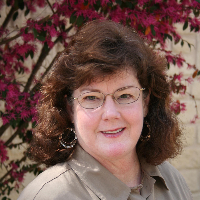
Robyn Ott, LCSW
Licensed in Texas · 30 years in practice
Robyn Ott is a Licensed Clinical Social Worker with 30 years of clinical experience.
License and registration
- LCSW, Texas
- 21043 · expires October 2027
- LCSW, Arkansas
- 13140-C · expires August 2027
- NPI
- 1174650469 · national provider identifier
- Years in practice
- 30
- Languages
- English
Details are as listed on the therapist's public professional profile. You can check any license with the state board and any NPI with the national registry.
About Robyn
Robyn Ott is a Licensed Clinical Social Worker with 30 years of clinical experience. She focuses on helping people find new perspectives and practical steps when life feels stuck. Her approach is straightforward and grounded in real-life tools rather than vague theory.
Robyn uses goal-directed work to clarify what someone wants to change and how to get there. She helps people break big problems into small, manageable steps. Sessions emphasize pacing, incremental goals, and follow-through so progress is steady and measurable.
Background and approach
Her style blends patience, directness, and compassion. She offers strength-focused work that points out abilities a person already has. That approach is helpful for mood concerns, low self-esteem, and patterns of unhelpful thinking.
Robyn also supports people coping with relationship struggles, grief, parenting challenges, and life transitions. She draws on practical techniques from cognitive and behavior-oriented methods alongside emotion-focused ideas to repair connection and reduce distress. Clients who want hands-on skill-building, accountability, and clear next steps often find this kind of work useful.
Robyn encourages people who are willing to try new tools, set achievable goals, and do steady follow-through. She aims to help people move toward greater confidence and a more hopeful sense of their next chapter.
Focus areas and approaches
Everything Robyn lists on their public professional profile, in their own terms.
- Stress, Anxiety
- Trauma and abuse
- Self esteem
- Depression
- Coping with life changes
- Relationship issues
- Family conflicts
- Grief
- Intimacy-related issues
- Eating disorders
- Sleeping disorders
- Parenting issues
- Anger management
- Career difficulties
- Coaching
- Compassion fatigue
- ADHD
- Abandonment
- Aging and geriatric issues
- Blended family issues
- Body image
- Caregiver issues and stress
- Codependency
- Commitment issues
- Communication problems
- Control issues
- Coping with natural or human-caused disaster
- Dependent personality
- Divorce and separation
- Family of origin issues
- Family problems
- Fatherhood issues
- Fertility issues
- Forgiveness
- Guilt and shame
- Infidelity
- Isolation / loneliness
- Life purpose
- Men's issues
- Veteran and Armed Forces Issues
- Mood disorders
- Narcissism
- Panic disorder and panic attacks
- Postpartum depression
- Post-traumatic stress
- Process addiction (porn, exercise, gambling)
- Seasonal Affective Disorder (SAD)
- Sexual assault and abuse
- Social anxiety and phobia
- Women's issues
Approaches Robyn names
- Acceptance and Commitment Therapy (ACT)
- Client-Centered Therapy
- Cognitive Behavioral Therapy (CBT)
- Dialectical Behavior Therapy (DBT)
- Emotionally-Focused Therapy (EFT)
- Imago Relationship Therapy
- Mindfulness Therapy
- Solution-Focused Therapy
- Trauma-Focused Therapy
Naming an approach is not evidence of training in it. This directory copies what each therapist lists and does not check training records.
Online support
Therapeutic approaches that translate well to online care
Acceptance and Commitment Therapy (ACT) helps people notice unhelpful thoughts and choose actions that match their values. It emphasizes small steps toward a more meaningful life and can help with anxiety, depression, and motivation. Cognitive Behavioral Therapy (CBT) focuses on identifying and changing thinking and behavior patterns that keep problems going. It is practical and skill-based, useful for anxiety, low mood, sleep difficulties, and overeating. Emotionally-Focused Therapy (EFT) concentrates on understanding and reshaping emotional responses in relationships to improve connection and reduce conflict.Finding the right approach is part of the work. The therapist will collaborate with each person to choose methods that match their goals, needs, and preferences. That process may include trying different exercises and adjusting the plan as progress is made.
Online therapy offers flexibility and easier access to consistent care. Video calls let people work face to face when scheduling or travel are barriers. Phone sessions can fit a break at work or require less bandwidth. Live chat and text-based messaging are options for shorter check-ins, quick skill practice, or when writing feels easier than speaking. These formats make it simpler to keep steady momentum toward goals while fitting therapy into a busy life.
We will earn a commission if you sign up through our link, at no cost to you. It does not change what you pay or the order of the listings.
Questions people ask
What concerns does she address?
She helps with stress, anxiety, depression, trauma and abuse, self-esteem, and coping with life changes, among other issues.
What is her therapeutic style like?
Her style is practical and direct, combining goal-directed work with patience and compassion to help people make steady progress.
How much experience does she have?
She brings 30 years of clinical experience to her work and nearly three decades in independent practice.
What are her credentials and where is she located?
She is a Licensed Clinical Social Worker with TX LCSW and AR LCSW credentials, and she is based in Arkansas.
Which languages are supported for sessions?
Sessions are offered in English and she accepts international clients.
What session formats are available?
Sessions can be held by video calls, phone sessions, live chat, or text-based messaging.
How does payment and cost work?
Cost varies with location and therapist availability; sessions are provided via a subscription that can be canceled at any time.
How do I begin working with her?
Click the Start Therapy button, fill out a short matching questionnaire, and schedule according to therapist availability.
More therapists in Arkansas
See allAllison Martin
LCSW
Practical support for stress and parenting challenges
- Stress, Anxiety
- Parenting
- Coping with life changes

Christina Cook
LCSW
Practical, evidence-informed therapy for everyday struggles
- Stress, Anxiety
- Relationship
- Anger
Linda Beldin-Korter
LCSW
Compassionate support for change and recovery
- Addictions
- Trauma and abuse
- Grief


Is this your profile?
Ask us to correct details or take the page down.
Contact us