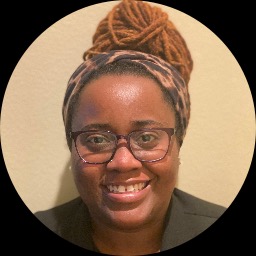
Allison Martin
LCSW
Practical support for stress and parenting challenges
- Stress, Anxiety
- Parenting
- Coping with life changes
Clinical social work directory
68 Licensed Clinical Social Workers in this directory hold a license issued in Arkansas. Sessions are online; a therapist can usually only see people in the states where they hold a license, so check the license panel on each profile.
Welcome to our directory of online therapists serving Arkansas. All listed clinicians hold a Licensed Clinical Social Worker (LCSW) credential issued by a state licensing board. Browse profiles to learn about each LCSW's focus areas, approaches, languages and experience.
LCSW
Practical support for stress and parenting challenges
LCSW
Practical, evidence-informed therapy for everyday struggles
LCSW
Compassionate support for change and recovery
LCSW
Compassionate, practical support for everyday challenges
LCSW
Compassionate, practical therapy for everyday challenges
LCSW
Experienced Arkansas LCSW focused on practical support
LCSW-C, LCSW
Compassionate, practical support for life’s hard moments
LCSW
Practical, listening-focused therapy for stress and relationships
LCSW
Support for stress, mood, and parenting concerns
LCSW
Practical support for anxiety and life changes
LCSW
Experienced LCSW offering practical, collaborative therapy
LCSW
Helping people move past old coping habits
LCSW
Practical, goal-focused therapy for daily challenges
LCSW
Compassionate, practical therapy for personal growth
LCSW
Compassionate, practical support for life’s hard moments
LCSW
Compassionate, practical guidance for life changes
LCSW
Practical, affirming therapy for identity and intimacy concerns
LCSW
Practical, goal-focused therapy with compassion
LCSW
Compassionate LCSW focused on practical change
LCSW, LISW
Practical support for stress and life changes
LCSW
Compassionate, direct support for life transitions
LCSW
Compassionate, practical support for life’s hard moments
LCSW
Compassionate, plainspoken care for real life challenges
LCSW
Compassionate, direct clinical social worker
LCSW
Practical, empathetic therapy for daily challenges
LCSW
Practical, collaborative therapy for everyday struggles
LCSW
Compassionate, practical therapy for life's transitions
LCSW
Supportive Arkansas licensed clinical social worker
LCSW
Practical guidance for steady life change
LCSW
Calm practical support for everyday stressors
LICSW, LCSW
Practical, collaborative care for trauma and recovery
LCSW
Steady, practical support for anxiety and life change
LCSW
Compassionate, practical help for life’s hard moments
LCSW
Practical therapy focused on thought and behavior change
LCSW
Practical support for stress and life change
LCSW
Compassionate practical support for life’s challenges
LCSW
Compassionate social worker guiding practical change
Some links on this page are partner links. We will earn a commission if you sign up through one, at no cost to you. It does not change what you pay or the order of the listings.
If you are exploring online therapy options in Arkansas, therapists who hold an LCSW offer a distinct professional background shaped by social work training. An LCSW holds a master's degree in social work, has completed a state-set period of supervised post-graduate clinical experience - commonly around two to three years and several thousand hours, varying by state - and has passed a clinical licensing examination. The license that an LCSW holds is issued and renewed by the state board, and scope of practice and exact title can vary across states.
In Arkansas, many Licensed Clinical Social Workers provide services via video or phone to increase access across urban and rural communities. Because licensure is state-based, the board that issued the LCSW oversees the professional standard and public records related to that license. You'll find profiles that describe each clinician's populations of interest, languages, and the approaches they list among their practice preferences. Those profile details can help you identify clinicians whose background aligns with what you are looking for.
Online sessions can make it easier for you to fit care into a busy life. If you live in an area where travel is lengthy or public transit is limited, remote sessions reduce the time and logistical effort required to connect with a clinician. That convenience can matter for parents managing childcare, shift workers, students, or people balancing multiple responsibilities. It also lets you choose clinicians who list experience with your concerns even if they work from a different town within the state.
A Licensed Clinical Social Worker brings a person-in-environment perspective that may be especially useful when your concerns are entangled with housing, work, family, finances, community resources or access to care. In an online session you and the clinician can discuss not only feelings and coping, but also practical steps and local supports that affect daily life. Because social work training emphasizes systems and context, you may find an LCSW helpful when issues reach into relationships, schools, employers, or public services.
Licensed Clinical Social Workers in Arkansas address a wide range of emotional and life challenges. You will commonly see clinicians who list experience with depression, anxiety, trauma, grief, relationship concerns, parenting stress, caregiving challenges, and major life transitions. Many also note work with substance use concerns, chronic illness adjustment, workplace stress, or legal and family system issues. The listing data indicates what a clinician highlights on their profile, which you can use to find someone who mentions the issues that matter to you.
Because social work practice takes the broader environment into account, LCSWs often focus on how external factors shape wellbeing. That can include helping you navigate housing questions, access community resources, connect with school supports, or manage interactions with systems like courts or social services. When your situation involves practical barriers or system-level obstacles as well as mood or relationship struggles, an LCSW's training in context and advocacy can be relevant to the work you do together.
Verifying a clinician's license is a practical step you can take to confirm that someone is recognized by the state board. Start by locating the clinician's full name as it appears on their profile and then use the Arkansas state licensing board's online license lookup tool. Enter the name or license number to confirm the license type, current status, original issue date and renewal dates. The public record will also show whether there are any board actions or disciplinary notes associated with the license.
If the online search returns unexpected results or you need clarification, you can contact the state licensing board directly and ask for guidance about a listed record. When you review a profile, make sure the name and any professional identifiers match the board record. Verifying licensure helps you confirm that the clinician holds an LCSW credential and that their status is active with the issuing authority. Keep in mind that licensure rules and titles can differ between states, so a clinician who lists practice across state lines may be subject to additional regulatory requirements.
Begin by clarifying what you want from sessions and what practical constraints matter to you. Think about the issues you want to address, whether you need help coordinating with community services, and which languages or cultural experiences you prefer in a clinician. Read therapist profiles to note areas of focus, years of experience, and any populations they mention. Profiles commonly list modalities that clinicians use; when a clinician lists an approach such as EMDR, cognitive behavioral work, or family systems, that simply indicates what they include among their methods, not a guarantee of formal certification.
Prepare your environment for remote sessions by choosing a quiet spot where you can speak without interruption and where your internet connection is stable. Decide whether phone or video suits you better - some people prefer video for visual cues while others opt for phone because it feels less formal. Before your first session, ask about session length, typical goals for early sessions, fee structure, and whether the clinician accepts your form of insurance or offers alternative payment options. Asking these practical questions up front helps you use the initial meeting to assess fit rather than logistics.
When you evaluate profiles, look beyond general labels and focus on specifics that matter to you. Consider the populations a clinician mentions, the life stages they emphasize, and the languages they list. Notice whether they describe experience with situations similar to yours - for example parenting a child with special needs, managing chronic illness, navigating a workplace dispute, or coping with grief. Profiles also often list client-centered goals such as symptom management, improved relationships, or better access to community resources; choose a clinician whose stated interests align with your priorities.
Assess the therapeutic fit by paying attention to tone and values on the clinician's profile. Some clinicians emphasize collaborative planning and practical problem solving, while others highlight emotional exploration or systemic advocacy. Neither orientation is inherently better; what matters is whether a particular combination of focus and style feels comfortable for you. If a clinician lists languages other than English or particular cultural competencies, that information can help you find someone who better understands your background. Finally, consider practical details like session format and the types of appointment structures described on the profile so you can plan how the work will fit into your routine.
Choosing an online LCSW is a personal process. By combining an understanding of what the credential represents, a look at profile specifics, and a few practical questions up front, you can identify clinicians whose experience and approach match the life concerns you want to address. Use the directory listings to explore these details and to gather the information you need before deciding who to contact for an initial conversation.