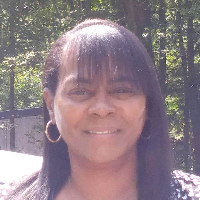
Maria Wilson
LCSW
Compassionate, practical therapy for stressed parents and adults
- Stress, Anxiety
- Relationship
- Family
Clinical social work directory
791 therapists list gambling among the things they work with. All offer sessions online, and every profile shows the registering body, the membership number and when it runs to.
Explore LCSWs across the United States who list experience helping people with gambling-related concerns. Browse the therapist listings below to review focus areas, approaches, credentials, languages, and experience.
LCSW
Compassionate, practical therapy for stressed parents and adults
LICSW, LCSW
Calm, steady support for life’s hard changes
LCSW
Compassionate support for addiction and trauma recovery
LCSW
Compassionate social worker focused on practical change
LCSW
Restorative, practical therapy for everyday challenges
LCSW
Practical, strengths-based help for life changes
LCSW
Compassionate, practical therapy for addiction and mood issues
LCSW
Practical, values-focused therapy for life problems
LCSW
Compassionate, practical support for personal growth
LCSW
Practical, respectful therapy focused on real life
LCSW
Practical support for stress and relationships
LCSW
Practical, evidence-based support for stress and trauma
LCSW
Practical, client-focused support for life changes
LCSW
Practical, steady care from an experienced LCSW
LCSW, LISW-CP
Compassionate social worker focused on practical change
LCSW
Practical, steady support for stress and relationships
LCSW
Calm, practical support for life’s hard moments
LICSW, LCSW
Compassionate social worker who supports change
LCSW
Careful, practical support for relationships and identity
LCSW
Practical, down-to-earth therapy for real life
LCSW
Calm, experienced therapist focused on practical change
LCSW
Compassionate, practical therapy for life’s hard moments
LCSW
Compassionate therapy for life’s difficult moments
LCSW
Compassionate help for stress and life changes
LCSW
Compassionate, practical therapy for life's hard moments
LCSW
Compassionate, practical support for life’s hard moments
LCSW
Grounded relational therapy for life changes
LCSW
Practical, present-focused therapy for everyday struggles
LCSW, LISW-CP
Practical, faith-informed therapy for everyday struggles
LCSW
Compassionate practical support for daily struggles
LCSW
Compassionate, practical therapy for life challenges
LCSW
Practical support for anxiety and addiction recovery
LICSW, LCSW
Practical, conversational therapy for life changes
LCSW
Experienced LCSW helping people through life changes
LCSW
Experienced LCSW focused on practical change
LCSW
Experienced LCSW offering steady support
LCSW
Practical, compassionate help for everyday struggles
Some links on this page are partner links. We will earn a commission if you sign up through one, at no cost to you. It does not change what you pay or the order of the listings.
Gambling covers a range of activities where money or valuables are wagered on an uncertain outcome, from sports betting and casino games to online gaming and informal wagers. For many people gambling is a recreational activity, but for others it can become a recurring source of stress, relationship strain, and financial difficulty. The effects are rarely limited to the act of betting itself - gambling can ripple outward, affecting work performance, housing stability, family dynamics, and access to other forms of support. Because of this, the consequences often involve both emotional responses and practical life problems that interact with one another.
When gambling creates repeated losses, cycles of chasing losses, or compulsive patterns despite negative consequences, it commonly leads to shame, anxiety, and avoidance. You might see mood swings, sleep disruption, or social withdrawal. The person-in-environment approach that social work training emphasizes helps connect these emotional patterns to the broader life context. That means addressing not only thoughts and behaviors related to gambling, but also the concrete circumstances that maintain it - financial stress, housing worries, employment changes, or family conflict. Seeing gambling as embedded in life circumstances helps shape realistic plans for safety, recovery, and rebuilding trust with others.
Deciding when to reach out can feel uncertain. Common signs that professional support may help include repeated attempts to control gambling that do not work, borrowing or hiding financial transactions to gamble, or frequent preoccupation with betting activities. You might notice increased conflict at home, unexplained drops in work or school performance, or anxiety and difficulty sleeping tied to gambling episodes. If someone begins to prioritize gambling over responsibilities, relationships, or basic needs, that is another important indicator that an intentional plan is needed.
Because gambling often carries shame, people may conceal their behavior and avoid conversations. You may find yourself making excuses, limiting contact with friends and family, or experiencing panic when money is low. Therapy can be a place to sort through these feelings and the practical fallout. An LCSW brings both clinical skills and a focus on life circumstances - helping you explore triggers and decision patterns while also addressing housing, employment, legal, or financial supports that influence risk. Seeking help early can reduce longer-term harm and make recovery steps more manageable.
When you begin sessions with an LCSW about gambling concerns, the initial meetings typically focus on understanding your story and current circumstances. Expect questions about gambling behaviors, triggers, financial impact, relationships, work or school, and any past efforts to change. Discussions will often include your goals, immediate safety needs, and any obligations that require planning - for example, handling bills or addressing risks to housing or employment. Because social work emphasizes person-in-environment, sessions usually balance emotional exploration with concrete problem solving.
Over time, sessions commonly move between identifying patterns that keep gambling active and building practical strategies you can use day to day. This might include planning for high-risk moments, improving communication with family members, and connecting you with community resources for financial counseling or legal support when needed. You and the LCSW may set measurable goals and review progress together. Sessions are collaborative; you should expect a mix of reflection about feelings and direct work on the life circumstances that influence behavior.
Therapists who hold an LCSW may list a variety of approaches they use when working with gambling concerns. Cognitive-behavioral approaches are commonly described, focusing on how thoughts and beliefs influence actions and teaching practical skills to manage urges and restructure unhelpful thinking. Motivational approaches are often used to explore ambivalence about change and to strengthen commitment to goals. Family-focused or couples approaches may be employed when gambling has affected relationships, helping restore communication and shared planning.
Some LCSWs may integrate relapse prevention strategies and harm reduction planning when abstinence is not the immediate goal. Others might emphasize coping skills for anxiety or depression that co-occur with gambling. Because the LCSW credential reflects clinical training plus experience in community systems, those who hold it often combine psychotherapy with attention to social supports, case coordination, and referrals to financial counseling or peer groups. Remember that a listing of an approach does not prove a specific certification; the most useful question is how well a clinician’s stated focus and experience match what you need.
Online sessions with an LCSW can make it easier to fit therapy into a busy schedule, reduce travel time, and expand access to clinicians who speak your language or have particular experience. Typically, online work follows similar clinical steps to in-person care - assessment, goal setting, skills practice, and coordination with other supports - while using video or phone platforms. You should expect to discuss how to create a comfortable environment at home for sessions and to agree on boundaries around interruptions and emergency contact steps.
Licensing matters for online therapy: an LCSW is licensed by a state board, and scope of practice and rules about telehealth vary across states. That means some clinicians may be able to provide online care across state lines and others may not. When you review a therapist listing, focus on the clinician’s stated focus areas, languages, and experience rather than on operational details that change frequently. Keep in mind that online sessions still aim to address both emotional patterns and the practical life factors that affect gambling - for example, connecting you to local financial or social services even when sessions are remote.
Picking a therapist starts with clarifying what you need. You may want someone who has experience working with people facing similar gambling patterns, someone who can help with financial planning resources, or a clinician who speaks your preferred language. Review listings for focus areas, approaches, languages, and years of experience to see which descriptions align with your priorities. Consider whether you prefer a clinician who emphasizes short-term skills and relapse prevention or one who will also work on longer-term relationship and life stability issues.
Because LCSWs are licensed at the state level after a master’s degree and supervised clinical experience, it is reasonable to note the credential on a listing as an indicator of clinical qualification. Keep in mind that the LCSW reflects both clinical training and work within community systems, which can be especially helpful when gambling concerns intersect with housing, employment, or legal matters. When you compare profiles, focus on the match between a clinician’s stated practice areas and the challenges you want to address. If personal safety or immediate financial risk is present, consider professionals and community resources that can assist with urgent needs in addition to ongoing therapy support.
Gambling concerns are complex and often connected to many parts of life. Working with an LCSW can give you both clinical support and attention to the life circumstances that contribute to risk and recovery. Use the listings above to read profiles, note which clinicians describe relevant focus areas and languages, and choose a direction that feels like a practical fit for your goals.