Clinical social work directory
Therapists who work with Men's Issues
1,161 therapists list men's issues among the things they work with. All offer sessions online, and every profile shows the registering body, the membership number and when it runs to.
This page lists Licensed Clinical Social Workers (LCSWs) in the United States who work with men's issues. Use the profiles below to explore clinicians who note experience with topics that commonly affect men and fathers.
Browse the listings to compare focus areas, therapeutic approaches they list, languages spoken, and professional experience.

Donna Rippelmeyer
LCSW
Compassionate support for stress and sexual concerns
- Stress, Anxiety
- LGBT
- Trauma and abuse

Stephen Weiss
LICSW, LCSW
Calm, steady support for life’s hard changes
- Stress, Anxiety
- Addictions
- Relationship

Earl Driscoll
LCSW
Compassionate support for addiction and trauma recovery
- Addictions
- LGBT
- Self esteem

Lynnette Thomas
LCSW
Compassionate social worker focused on practical change
- Stress, Anxiety
- Relationship
- Trauma and abuse
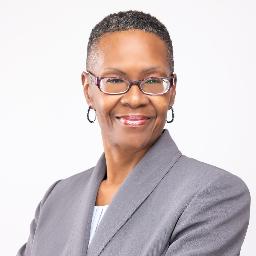

David Powell
LCSW
Restorative, practical therapy for everyday challenges
- Stress, Anxiety
- Relationship
- Intimacy-related issues

Bryan Krause
LCSW
Compassionate, practical support for life challenges
- Stress, Anxiety
- Relationship
- Family

Robert Lindsay
LCSW
Forward-focused therapist for practical change
- Stress, Anxiety
- Relationship
- Family

Chase Carter
LCSW
Practical, values-focused therapy for life problems
- Addictions
- Relationship
- Trauma and abuse

Daniel Norvell
LCSW
Compassionate, practical support for personal growth
- Stress, Anxiety
- Addictions
- LGBT

Jack Richey
LCSW
Practical support for stress and relationship strain
- Stress, Anxiety
- Grief
- Self esteem
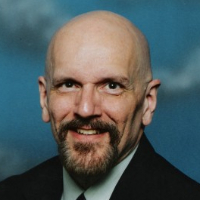
Prof. Craig Hutton
LCSW
Practical, respectful therapy focused on real life
- Stress, Anxiety
- Relationship
- Trauma and abuse

Dr. Ricardo Gillispie, PhD, LCSW
Experienced social worker and clinician
- Stress, Anxiety
- Relationship
- Self esteem
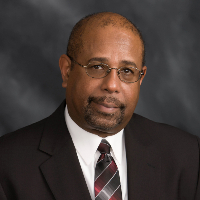
Faryal Choudry
LCSW
Practical support for stress and relationships
- Stress, Anxiety
- Addictions
- Relationship



Deborah Zimmerman
LCSW
Practical, steady care from an experienced LCSW
- Addictions
- Trauma and abuse
- Grief

Joe Purvis
LICSW, LCSW
Experienced clinician for stress and trauma
- Stress, Anxiety
- Trauma and abuse
- Anger

Dawn Adler
LCSW, LISW
Practical, strengths-focused therapy for everyday challenges
- Stress, Anxiety
- Relationship
- Trauma and abuse


Matthew Mulock
LCSW
Practical, trauma-informed therapy for everyday challenges
- Stress, Anxiety
- Addictions
- Trauma and abuse

Johnnie Terrell
LCSW, LISW-CP
Compassionate social worker focused on practical change
- Stress, Anxiety
- Relationship
- Trauma and abuse


Lauren Moret-Glass
LSCSW, LCSW
Practical, respectful therapy for life changes
- Stress, Anxiety
- Relationship
- Trauma and abuse

Gary Swan
LCSW
Practical, steady support for stress and relationships
- Stress, Anxiety
- Addictions
- Relationship

Kenneth Denny
LCSW, CSW
Experienced LCSW focused on practical change
- Stress, Anxiety
- Relationship
- Family
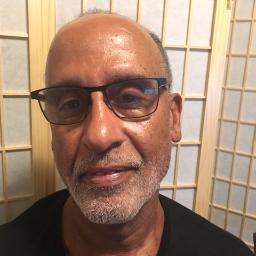
Matthew Johnson, III
LCSW
Helping people overcome addiction and relationship strain
- Addictions
- Relationship
- Family


Mark Saverino
LCSW
Compassionate, practical support for life's hard moments
- Stress, Anxiety
- Grief
- Anger

Marsha Hatchel
LCSW
Calm, practical support for life’s hard moments
- Stress, Anxiety
- Self esteem
- Depression


Sarah Newmeyer
LCSW
Practical, skills-focused therapy for life challenges
- Stress, Anxiety
- Addictions
- Relationship

Michael Robinson
LCSW
Careful, practical support for relationships and identity
- Stress, Anxiety
- Addictions
- LGBT

Katherine Georgeoff Mohr
LCSW
Therapist focused on practical coping skills
- Stress, Anxiety
- Trauma and abuse
- Grief

Ragerus Hicks
LMSW, LCSW
Practical support for stress and life transitions
- Stress, Anxiety
- Self esteem
- Career

Joel Brooks
LCSW
Calm, experienced therapist focused on practical change
- Stress, Anxiety
- Addictions
- Relationship

Michael Coley
LCSW
Compassionate, strengths-focused therapy for adults
- Stress, Anxiety
- Relationship
- Self esteem

Timothy Frost
LCSW
Experienced LCSW focused on practical change
- Stress, Anxiety
- Relationship
- Parenting



Susan Pittman
LCSW
Compassionate social worker for practical change
- Stress, Anxiety
- Relationship
- Trauma and abuse




Kimberly Sylla
LCSW
Compassionate, practical therapy for life’s hard moments
- Stress, Anxiety
- Addictions
- LGBT

Robin Burns
LCSW
Compassionate therapy for life’s difficult moments
- Stress, Anxiety
- Relationship
- Trauma and abuse

Daniel Beasley
LCSW
Compassionate, practical support for adult struggles
- Stress, Anxiety
- LGBT
- Relationship

Some links on this page are partner links. We will earn a commission if you sign up through one, at no cost to you. It does not change what you pay or the order of the listings.
What "men's issues" covers and how it can affect you
Men's issues is a broad term that refers to concerns often shaped by social expectations, roles, relationships, work, and life transitions that many people who identify as men experience. You might encounter difficulties related to anger, stress, relationship conflicts, parenting, identity and masculinity, sexual health or performance, career pressure, grief, or changes connected to aging. Economic pressures, changes in family structure, or experiences of trauma can interact with cultural messages about stoicism and self-reliance, making it harder to reach out for help. If you are struggling, these pressures can show up as trouble concentrating, low mood, substance use, difficulty connecting with partners, or persistent irritability.
Choosing to work with a Licensed Clinical Social Worker means you will be working with a professional credentialed to provide clinical mental health care. An LCSW holds a master's degree in social work, has completed a state-set period of supervised post-graduate clinical experience - commonly two to three years and several thousand hours, though requirements vary by state - and has passed a clinical licensing examination. The license is issued and renewed by an individual state board, so title and scope of practice vary across states. Social work training emphasizes a person-in-environment perspective, so an LCSW working in clinical practice will routinely consider your relationships, housing, work, finances, and community context along with your internal experience rather than treating symptoms in isolation.
Signs you might benefit from seeing an LCSW for men's issues
You might be thinking about therapy because something feels out of balance but you are not sure whether it is serious enough to seek help. Some common signs include prolonged difficulty managing stress, repeated conflicts with partners or family members, trouble adjusting after a major life change such as divorce, job loss, or becoming a parent, and persistent low mood or worry that interferes with work or relationships. You may notice coping strategies that no longer help, such as increased alcohol or substance use, social withdrawal, or risky behaviors. Sleep disturbances, changes in appetite, or frequent feelings of anger that seem disproportionate to the situation can also indicate that focused work with a clinician could be useful.
If you are coping with trauma or its aftereffects, including hypervigilance, nightmares, or avoidance of reminders, a clinician who lists experience with trauma among their approaches may be relevant. If you are a father or expectant parent, you may want help managing role shifts, parenting stress, or balancing work and caregiving responsibilities. The decision to reach out is personal, and many people find that starting a conversation with an LCSW helps them clarify what matters and what kind of support would be most helpful.
What to expect in sessions with an LCSW for men's issues
When you begin working with an LCSW, the first sessions usually focus on building rapport and understanding your history, strengths, and current challenges. An LCSW will typically ask about the practical context of your life - such as work, housing, family, finances, and community supports - because social work emphasizes how these external factors shape experience and options for change. You can expect a collaborative conversation where you identify priorities together, set goals that matter to you, and consider short- and long-term strategies for coping and problem solving.
Sessions often blend discussion of feelings and thoughts with attention to everyday life circumstances. You might explore communication patterns that affect your relationships, practice new ways of responding to stress, or work on concrete plans to change a difficult situation at work or home. For many people seeking help with men's issues, the therapeutic relationship itself models a different way to express needs and receive feedback. An LCSW can also help you connect to community resources, support services, or referrals when needs extend beyond clinical work.
Common approaches LCSWs list for men's issues and how they are used
Licensed Clinical Social Workers bring a range of approaches to their clinical work, and many list multiple modalities on their profiles. You will see clinicians who list cognitive-behavioral approaches among their approaches, which often focus on identifying unhelpful thinking and behavior patterns and developing practical skills to manage symptoms. Other LCSWs list relational or family-focused approaches, which look at patterns in partnerships or family systems and aim to shift interactions that contribute to ongoing conflict. Some clinicians list trauma-informed approaches among their approaches, and they pay attention to how past experiences shape current responses and safety needs. You may also encounter LCSWs who list strengths-based or client-centered approaches, which emphasize your resources and priorities and tailor the pace of work to your readiness for change.
It is important to remember that listing an approach does not equate to a certification in that method. Profiles indicate what clinicians say they work with, not proof of specialized credentialing. When you read profiles, focus on whether the therapist describes experience with the issues you face and whether their style and language feel like they would fit your preferences. Many people benefit from a mix of approaches - practical skills for immediate stress management combined with deeper relational or identity-focused work over time.
How online sessions work for men's issues and tips for choosing an LCSW
Online sessions can make it easier to connect with an LCSW who lists experience with men's issues, especially if local options are limited or you need flexibility around work or caregiving. Online work typically uses video or phone sessions that allow you to meet from a place that feels comfortable. You will want to confirm technical details like the platform, session length, fees, and whether they practice under a license in your state, since licensure is state-based. Many clinicians discuss how they handle emergencies and crisis planning during initial conversations so you know how to get immediate help if needed. Online work can be similar in pace and depth to in-person work, and it can be a good fit if you prefer the convenience of meeting from home or if you are balancing multiple demands.
When choosing an LCSW, think about the specific issues you want to address, the language you prefer, cultural or identity considerations, and the therapist's stated experience with men's concerns. Look for clinicians who describe working with life stages or roles that match your situation - for example, fathers, partners, military-affiliated men, or men navigating aging and retirement. Read how they talk about their approach; do they emphasize practical skills, relational work, trauma-informed care, or a strengths-based focus? Consider whether you want someone who explicitly mentions working with cultural or gender issues, or someone attuned to intersectional experiences. Finally, trust your sense of fit. The right match is as much about how you feel in conversation with a clinician as it is about listed credentials or approaches.
Putting it together
Deciding to reach out for help with men's issues is a step toward clearer thinking about your challenges and changes you want to make. Licensed Clinical Social Workers bring a clinical credential plus a social work lens that situates your concerns in the context of daily life, relationships, and systems. By reviewing profiles for focus areas, approaches they list, languages spoken, and professional background, you can find an LCSW whose perspective aligns with what you want to work on. Whether you choose in-person or online sessions, an initial conversation with a clinician can clarify how you might work together and help you decide on next steps that fit your goals and life circumstances.