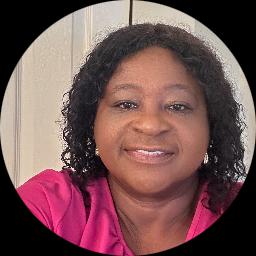
Cynthia Young, LCSW
Licensed in Florida · 26 years in practice
Cynthia Young is a licensed clinical social worker with 26 years of experience helping people find steadier footing during hard seasons.
License and registration
- LCSW, Florida
- SW12586 · expires March 2027
- LCSW, California
- 19183 · expires September 2026
- NPI
- 1649597675 · national provider identifier
- Years in practice
- 26
- Languages
- English
Details are as listed on the therapist's public professional profile. You can check any license with the state board and any NPI with the national registry.
About Cynthia
Cynthia Young is a licensed clinical social worker with 26 years of experience helping people find steadier footing during hard seasons. She practices in Florida and brings a calm, straightforward presence into sessions. Cynthia focuses on practical steps people can take to feel less overwhelmed and more able to manage daily life.
She creates a space where clients can say what they think and feel without judgment. Sessions often start by identifying what matters most to the person and what small changes could help.
Background and approach
Cynthia listens for patterns that cause stress, low self-esteem, or repeated conflict and then works with clients to try different ways of coping. Her work covers common struggles such as anxiety, depression, grief, and addiction. She also helps people dealing with career stress, compassion fatigue, and life transitions.
Other areas she addresses include attachment concerns, family of origin issues, caregiver stress, chronic illness, and forgiveness. Cynthia draws on approaches that include acceptance and commitment techniques, attachment-based ideas, client-centered listening, cognitive behavior tools, and skills from dialectical behavior work. Those methods are used in plain language, with exercises people can practice between sessions.
The aim is steady, manageable progress rather than quick fixes. People who prefer direct, empathetic conversation and practical strategies tend to fit well with her style. She helps clients set realistic goals and tries to keep sessions focused and useful.
Her approach is collaborative, with the client guiding what matters most.
Focus areas and approaches
Everything Cynthia lists on their public professional profile, in their own terms.
- Stress, Anxiety
- Grief
- Self esteem
- Depression
- Coping with life changes
- Addictions
- Relationship issues
- Family conflicts
- Trauma and abuse
- Anger management
- Career difficulties
- Compassion fatigue
- ADHD
- Abandonment
- Adoption and foster care
- Aging and geriatric issues
- Attachment issues
- Caregiver issues and stress
- Chronic pain, illness, and disability
- Codependency
- Communication problems
- Control issues
- Dependent personality
- Dissociation
- Emptiness
- Family of origin issues
- Family problems
- Forgiveness
- Guilt and shame
- Hospice and end-of-life counseling
- Infidelity
- Isolation / loneliness
- Jealousy
- Life purpose
- Midlife crisis
- Mood disorders
- Panic disorder and panic attacks
- Phobias
- Post-traumatic stress
- Seasonal Affective Disorder (SAD)
- Self-love
- Social anxiety and phobia
- Women's issues
- Workplace issues
- Young adult issues
Approaches Cynthia names
- Acceptance and Commitment Therapy (ACT)
- Attachment-Based Therapy
- Client-Centered Therapy
- Cognitive Behavioral Therapy (CBT)
- Dialectical Behavior Therapy (DBT)
- Emotionally-Focused Therapy (EFT)
- Existential Therapy
- Mindfulness Therapy
- Motivational Interviewing
- Psychodynamic Therapy
- Solution-Focused Therapy
- Trauma-Focused Therapy
- Internal Family Systems
Naming an approach is not evidence of training in it. This directory copies what each therapist lists and does not check training records.
Online support
How Cynthia’s Methods Work Online
Acceptance and Commitment Therapy focuses on clarifying values and taking small committed actions that match those values. It can help with depression, anxiety, and navigating life changes by shifting attention from avoidance to what matters. Attachment-Based Therapy looks at early patterns in close relationships and how they affect current connections; it can be useful for people struggling with trust, abandonment concerns, or repeating relationship patterns.Choosing the right approach is part of the work. Cynthia collaborates with each person to decide which methods fit best, based on goals and daily life. She checks in regularly and adjusts the plan so sessions stay practical and relevant to what the person wants to change.
Online sessions are offered through video calls, phone sessions, live chat, and text-based messaging to make therapy more flexible. Video is useful for full conversations and visual cues, phone calls work when internet bandwidth is limited, live chat can be a shorter way to check in, and text messaging supports ongoing reflection between meetings. These options help fit therapy into work, caregiving, or travel schedules.
We will earn a commission if you sign up through our link, at no cost to you. It does not change what you pay or the order of the listings.
Questions people ask
What concerns does she commonly help with?
Cynthia works with stress, anxiety, depression, grief, addictions, and relationship problems. She also addresses issues like ADHD, compassion fatigue, and career stress.
How would you describe her therapeutic style?
She uses direct, empathetic listening and practical exercises. Sessions emphasize identifying values and trying manageable behavior changes between meetings.
What is her professional background?
She has 26 years of professional experience and practices as a licensed clinical social worker. Her work blends several therapy approaches to suit different needs.
Where is she licensed and located?
She holds LCSW credentials in Florida and California and practices from Florida.
Which languages are supported for sessions?
Sessions are offered in English.
What session formats are available?
Therapy is offered via video calls, phone sessions, live chat, and text-based messaging.
How are sessions paid for?
Cost varies by location and therapist availability and is managed through a subscription that can be canceled at any time.
What steps are involved to begin therapy?
Start by selecting the Start Therapy button and completing a short matching questionnaire. Then schedule sessions according to therapist availability.
More therapists in Florida
See allAmeenah Wright-Troutman
LCSW
Compassionate, practical support for life transitions
- Stress, Anxiety
- Grief
- Self esteem

Dr. Virginia Clark
LCSW
Experienced LCSW supporting life changes
- Stress, Anxiety
- Addictions
- Trauma and abuse
Carolyn Allen
LCSW
Compassionate practical support for everyday challenges
- Stress, Anxiety
- Self esteem
- Career

Is this your profile?
Ask us to correct details or take the page down.
Contact us