
Steven Mondragon, LCSW
Licensed in Utah · 10 years in practice
Steven Mondragon is a licensed clinical social worker practicing in Utah with ten years of experience.
License and registration
- LCSW, Utah
- 8630262-3501 · expires September 2026
- NPI
- 1083050439 · national provider identifier
- Years in practice
- 10
- Languages
- English
Details are as listed on the therapist's public professional profile. You can check any license with the state board and any NPI with the national registry.
About Steven
Steven Mondragon is a licensed clinical social worker practicing in Utah with ten years of experience. He focuses on helping people who are dealing with stress, anxiety, trauma and abuse, anger, low self-esteem, and depression. He also brings experience supporting first responders and those facing challenges from chronic illness or life disruption.
Steven centers sessions on the person's own story and strengths. He listens first and helps people find what already works for them.
Background and approach
He aims to make the first steps toward change feel manageable rather than overwhelming. In sessions he uses straightforward tools to reduce symptoms and build coping skills. He combines goal-focused techniques with work that helps people process difficult events and emotions.
Practical strategies are paired with space to talk through painful memories when needed. People can expect clear goals, short-term skills they can use right away, and a focus on what they want to change. He encourages small experiments and steady progress rather than one-off fixes.
That approach is useful for concerns like panic, recurring anger, low confidence, and trauma reactions. Over his career Steven has worked in settings that exposed him to a wide range of client needs. That background informs how he tailors sessions to each person's situation and pace.
He supports clients who want concrete tools, new ways to think about problems, or a steady listener while they work through hard experiences.
Focus areas and approaches
Everything Steven lists on their public professional profile, in their own terms.
- Stress, Anxiety
- Trauma and abuse
- Anger management
- Self esteem
- Depression
- Abandonment
- Antisocial personality
- Attachment issues
- Chronic pain, illness, and disability
- Co-morbidity
- Communication problems
- Control issues
- Coping with natural or human-caused disaster
- Dissociation
- First responder issues
- Forgiveness
- Guilt and shame
- Impulsivity
- Isolation / loneliness
- Life purpose
- Men's issues
- Midlife crisis
- Veteran and Armed Forces Issues
- Mood disorders
- Narcissism
- Obsessions, compulsions, and OCD
- Panic disorder and panic attacks
- Personality disorders
- Phobias
- Post-traumatic stress
- Seasonal Affective Disorder (SAD)
- Self-harm
- Self-love
- Sex addiction
- Sexual assault and abuse
- Social anxiety and phobia
- Young adult issues
Approaches Steven names
- Client-Centered Therapy
- Cognitive Behavioral Therapy (CBT)
- Motivational Interviewing
- Solution-Focused Therapy
- Trauma-Focused Therapy
Naming an approach is not evidence of training in it. This directory copies what each therapist lists and does not check training records.
Online support
Approaches that translate to online care
Client-Centered Therapy focuses on listening and responding to what matters most to the person. The therapist follows the client’s lead and helps build on strengths to solve current problems and make decisions. Cognitive Behavioral Therapy, or CBT, involves identifying unhelpful thoughts and changing behaviors that keep problems going. It is often useful for anxiety, depression, and recurring anger because it gives practical steps to try between sessions.Choosing the right approach is a collaborative process. The therapist will talk with the client about goals, try different techniques, and adjust plans based on what feels most helpful. Progress is tracked with clear, shared goals so techniques are tailored to each person’s needs and comfort level.
Online therapy offers several practical benefits. Video calls let people meet face-to-face from wherever their schedule allows. Phone sessions work well when bandwidth is limited or for shorter check-ins. Live chat and text-based messaging provide quick access for brief questions, check-ins between sessions, or moments when typing feels easier than talking. These options make it simpler to fit therapy into busy lives while still using structured approaches like Client-Centered Therapy and CBT.
We will earn a commission if you sign up through our link, at no cost to you. It does not change what you pay or the order of the listings.
Questions people ask
What problems does Steven commonly address?
He helps people with stress, anxiety, trauma and abuse, anger, low self-esteem, and depression. Additional focus areas include coping with chronic illness, attachment concerns, isolation, and life purpose questions.
How would you describe his therapy style?
He uses a client-centered approach that emphasizes the person’s own strengths. Sessions combine practical skills, goal setting, and space to process difficult events.
What is his professional background?
He has ten years of professional experience working with a range of presenting concerns, including work with first responders.
Where is he licensed and based?
He practices in Utah and holds an LCSW credential from that state.
Which languages are supported for sessions?
Sessions are offered in English.
Can people outside the United States work with him?
He does not accept international clients at this time.
What session formats are available?
He offers video calls, phone sessions, live chat, and text-based messaging to fit different schedules and communications preferences.
How do fees and getting started work?
Cost varies with location and therapist availability and uses a subscription model that can be canceled at any time. To begin, select the Start Therapy button, complete the short matching questionnaire, and schedule according to availability.
More therapists in Utah
See allChase Carter
LCSW
Practical, values-focused therapy for life problems
- Addictions
- Relationship
- Trauma and abuse

Melinda Fowlks
LCSW
Compassionate therapist for emotional healing
- Stress, Anxiety
- Relationship
- Self esteem
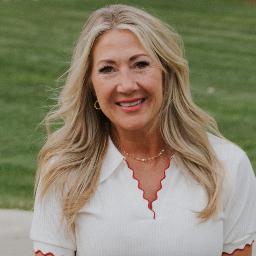

Anntoinette Titus
LCSW
Compassionate, practical therapy focused on everyday life
- Stress, Anxiety
- Addictions
- Relationship
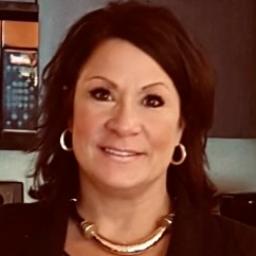
Is this your profile?
Ask us to correct details or take the page down.
Contact us