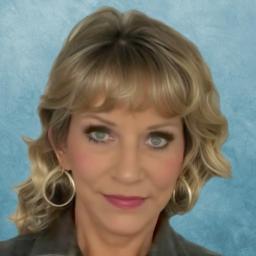
Lynne Finger, LCSW
Licensed in North Carolina · 25 years in practice
Lynne Finger is a Licensed Clinical Social Worker who helps people facing stress, anxiety, depression, trauma, relationship struggles, addiction, and life changes.
License and registration
- LCSW, North Carolina
- C002591 · expires November 2027
- NPI
- 1831126614 · national provider identifier
- Years in practice
- 25
- Languages
- English
Details are as listed on the therapist's public professional profile. You can check any license with the state board and any NPI with the national registry.
About Lynne
Lynne Finger is a Licensed Clinical Social Worker who helps people facing stress, anxiety, depression, trauma, relationship struggles, addiction, and life changes. She speaks plainly and offers steady support when things feel overwhelming or stuck. She listens first and then helps people find clear, manageable steps.
Sessions focus on understanding what keeps patterns going and on building skills to cope. She aims to make hard topics easier to talk about and to help people find breathing room amid strong emotions.
Background and approach
With 25 years of experience, Lynne brings practical know-how to common problems like low self-esteem, anger, intimacy concerns, and challenges related to ADHD or bipolar mood swings. She also addresses issues tied to family of origin, abandonment, chronic illness, and grief.
Her background includes a Master of Social Work from the University of North Carolina at Chapel Hill and long practice in North Carolina mental health care. Her style mixes insight work with focused strategies. She uses psychodynamic ideas to look at long-standing patterns, and she pairs that with cognitive behavioral techniques to tackle present problems.
Somatic and trauma-focused approaches are used when the body or past trauma shows up in sessions. People come to her to reduce overwhelming feelings, to manage relationships better, or to get through big life transitions. She works with clear goals and collaborates on a plan that fits each person's needs and pace.
Focus areas and approaches
Everything Lynne lists on their public professional profile, in their own terms.
- Stress, Anxiety
- Relationship issues
- Trauma and abuse
- Depression
- Coping with life changes
- Addictions
- LGBT
- Family conflicts
- Intimacy-related issues
- Anger management
- Self esteem
- Bipolar disorder
- Compassion fatigue
- ADHD
- Abandonment
- Aging and geriatric issues
- Body image
- Chronic pain, illness, and disability
- Codependency
- Commitment issues
- Communication problems
- Control issues
- Dependent personality
- Disruptive Mood Dysregulation Disorder (DMDD)
- Divorce and separation
- Domestic violence
- Emptiness
- Family of origin issues
- Family problems
- Forgiveness
- Guilt and shame
- Impulsivity
- Infidelity
- Isolation / loneliness
- Jealousy
- Life purpose
- Midlife crisis
- Mood disorders
- Narcissism
- Panic disorder and panic attacks
- Post-traumatic stress
- Seasonal Affective Disorder (SAD)
- Self-harm
- Self-love
- Sexual assault and abuse
- Social anxiety and phobia
- Somatization
- Traumatic brain injury
- Women's issues
Approaches Lynne names
- Cognitive Behavioral Therapy (CBT)
- Existential Therapy
- Psychodynamic Therapy
- Somatic Therapy
- Trauma-Focused Therapy
Naming an approach is not evidence of training in it. This directory copies what each therapist lists and does not check training records.
Online support
Approaches that guide online work
Psychodynamic Therapy looks at long-standing patterns and early influences that shape how people relate and respond. It helps uncover why old reactions keep repeating and supports changes in how someone understands themselves and others.Cognitive Behavioral Therapy (CBT) focuses on the connections between thoughts, feelings, and actions. It uses practical exercises and skill-building to reduce anxiety, manage mood, and change unhelpful behaviors that get in the way of daily life.
Finding the right approach is part of the work. The therapist will talk with the client about goals, symptoms, and preferences and then choose methods together. That collaborative process lets therapy stay flexible as needs change over time.
Online formats include video calls, phone sessions, live chat, and text-based messaging. Video sessions allow face-to-face conversation when visual cues matter. Phone sessions are useful when lower bandwidth or hands-free interaction is needed. Live chat and text messaging can support quick check-ins, short reflections between sessions, or written processing for people who prefer typing. These options make scheduling easier and help therapy fit into busy lives.
We will earn a commission if you sign up through our link, at no cost to you. It does not change what you pay or the order of the listings.
Questions people ask
What kinds of concerns does she address?
She helps with stress, anxiety, depression, trauma and abuse, relationship and intimacy issues, addictions, ADHD, bipolar concerns, and related problems such as self-esteem, anger, and compassion fatigue.
How would you describe her therapy style?
Her approach is collaborative and down-to-earth. She blends insight-oriented work with structured techniques to meet short-term goals and longer-term change.
How much experience does she have?
She has 25 years of clinical experience working with adults on mood disorders, trauma, and life transitions.
Where is she licensed and practicing?
She is a Licensed Clinical Social Worker with an LCSW in North Carolina and practices from that state.
Which languages are supported in sessions?
Sessions are offered in English.
Can people from other countries work with her?
International clients are not currently accepted; services are provided within the therapist's licensed region.
What session formats are available?
She offers video calls, phone sessions, live chat, and text-based messaging to fit different schedules and needs.
How do payments and getting started work?
Cost varies with location and therapist availability and uses a subscription that can be canceled at any time. To begin, select the Start Therapy button, complete a short matching questionnaire, and schedule per therapist availability.
More therapists in North Carolina
See allRobert Lindsay
LCSW
Forward-focused therapist for practical change
- Stress, Anxiety
- Relationship
- Family

La Kevia Moore
LCSW
Practical, evidence-based support for stress and trauma
- Stress, Anxiety
- Trauma and abuse
- Self esteem

Aimee Campbell Culler
LCSW
Experienced LCSW providing steady support
- Stress, Anxiety
- Addictions
- Relationship
Angela Greene-Junior
LCSW, LISW-CP
Compassionate LCSW focused on practical change
- Stress, Anxiety
- Addictions
- Relationship
Is this your profile?
Ask us to correct details or take the page down.
Contact us