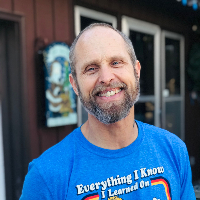
David Krych, LCSW
Licensed in Wisconsin · 19 years in practice
David Krych welcomes people who are overwhelmed by stress, anxiety, addiction, or struggles with relationships and parenting.
License and registration
- LCSW, Wisconsin
- 3003-123 · expires February 2027
- NPI
- 1528483088 · national provider identifier
- Years in practice
- 19
- Languages
- English
Details are as listed on the therapist's public professional profile. You can check any license with the state board and any NPI with the national registry.
About David
David Krych welcomes people who are overwhelmed by stress, anxiety, addiction, or struggles with relationships and parenting. He writes plainly and listens closely to help each person name goals and take practical steps toward a calmer life. David is a Licensed Clinical Social Worker - LCSW - with long experience in community settings.
He brings 19 years of clinical practice and earlier years working with adolescents into his work today.
Background and approach
That background shaped his interest in addiction, recovery, and the life problems that can follow trauma and family strain. He speaks from lived experience with addiction and recovery while focusing on what a person wants to change now. Sessions are conversational and goal-focused.
David uses methods that help people change unhelpful thoughts, build stronger connections, and discover meaning when life feels confusing. He keeps language simple and offers concrete tools to try between sessions. He often helps people work through grief, anger, body image concerns, caregiver stress, and issues around intimacy and communication.
Parenting and fatherhood topics are also part of his practice when an individual wants support navigating those roles. David practices in Wisconsin and offers support for a wide range of life changes. He aims to create a steady space where people can notice strengths, practice new skills, and move toward more acceptance and purpose.
Focus areas and approaches
Everything David lists on their public professional profile, in their own terms.
- Stress, Anxiety
- Addictions
- Intimacy-related issues
- Parenting issues
- Compassion fatigue
- Relationship issues
- Family conflicts
- Trauma and abuse
- Grief
- Eating disorders
- Anger management
- Bipolar disorder
- Depression
- Coping with life changes
- Coaching
- Abandonment
- Body image
- Caregiver issues and stress
- Co-morbidity
- Codependency
- Communication problems
- Drug and alcohol addiction
- Emptiness
- Family of origin issues
- Family problems
- Fatherhood issues
- Forgiveness
- Guilt and shame
- Isolation / loneliness
- Life purpose
- Men's issues
- Midlife crisis
- Seasonal Affective Disorder (SAD)
- Self-love
- Social anxiety and phobia
- Workplace issues
Approaches David names
- Client-Centered Therapy
- Cognitive Behavioral Therapy (CBT)
- Emotionally-Focused Therapy (EFT)
- Existential Therapy
- Motivational Interviewing
- Solution-Focused Therapy
Naming an approach is not evidence of training in it. This directory copies what each therapist lists and does not check training records.
Online support
Approaches that translate to online care
David often uses Client-Centered Therapy to create a respectful, listening space where a person can talk through what matters most and set personal goals. This approach focuses on understanding the client's perspective and building trust so people feel heard and clearer about next steps.He also uses Cognitive Behavioral Therapy or CBT to help identify unhelpful thoughts and try new behaviors. CBT is practical and works well for anxiety, depression, stress, and patterns that keep people stuck. Emotionally-Focused Therapy is used when relationship or intimacy concerns are central; it focuses on deepening emotional connection and improving communication in close relationships.
Finding the right approach is part of the work together. The therapist will discuss goals, try methods that fit the situation, and adjust plans based on what is most helpful. Treatment is collaborative and tailored to the person's needs and preferences.
Online sessions are offered as video calls, phone sessions, live chat, or text-based messaging to make therapy more flexible. Video lets people work face-to-face when schedules and bandwidth allow. Phone sessions can be a simpler way to fit a check-in during a busy day. Live chat and messaging are useful for brief check-ins, skill practice between sessions, or when writing feels easier than speaking.
We will earn a commission if you sign up through our link, at no cost to you. It does not change what you pay or the order of the listings.
Questions people ask
What concerns does David commonly help with?
He helps people coping with stress, anxiety, addiction, relationship and intimacy issues, parenting concerns, grief, trauma, depression, and anger. Additional focuses include body image, caregiver stress, codependency, and finding life purpose.
What is his therapeutic style like?
Sessions are conversational and client-centered with practical tools. He blends approaches to address thinking patterns, emotional connection, motivation, and short-term problem solving.
How much clinical experience does he have?
He has 19 years of clinical experience and earlier work with adolescents that informed his focus on addiction and recovery. Lived experience with recovery also informs his perspective.
Where is he based and what credential does he hold?
He is located in Wisconsin and holds a Licensed Clinical Social Worker credential, listed as LCSW in Wisconsin.
Which languages are supported for sessions?
Sessions are offered in English. International clients are accepted.
In what formats are sessions offered?
He offers video calls, phone sessions, live chat, and text-based messaging to fit different needs and schedules.
How are fees and payments handled?
Cost varies with location and therapist availability; sessions use a subscription that can be canceled at any time. Specific pricing depends on the subscriber plan.
How do I begin working with him?
Start by selecting the Start Therapy button and completing a short matching questionnaire. After that you can schedule sessions based on the therapist's availability.
More therapists in Wisconsin
See all
Bryan Krause
LCSW
Compassionate, practical support for life challenges
- Stress, Anxiety
- Relationship
- Family

Brittany Russotto
LCSW
Compassionate, practical care for daily struggles
- Stress, Anxiety
- Addictions
- Eating

Gary Swan
LCSW
Practical, steady support for stress and relationships
- Stress, Anxiety
- Addictions
- Relationship
Is this your profile?
Ask us to correct details or take the page down.
Contact us