Clinical social work directory
Therapists licensed in Wisconsin
161 Licensed Clinical Social Workers in this directory hold a license issued in Wisconsin. Sessions are online; a therapist can usually only see people in the states where they hold a license, so check the license panel on each profile.
Welcome to our Wisconsin directory of online therapists. All listed professionals hold a current Licensed Clinical Social Worker (LCSW) credential issued by their state board. Browse profiles to explore focus areas, approaches, languages, and experience to find a good match for your needs.

Bryan Krause
LCSW
Compassionate, practical support for life challenges
- Stress, Anxiety
- Relationship
- Family

Brittany Russotto
LCSW
Compassionate, practical care for daily struggles
- Stress, Anxiety
- Addictions
- Eating

Gary Swan
LCSW
Practical, steady support for stress and relationships
- Stress, Anxiety
- Addictions
- Relationship

Megan McDermott
LCSW
Compassionate, practical support for life transitions
- Addictions
- Relationship
- Family

Heather Mattson
LCSW
Calm, practical support for stressful times
- Stress, Anxiety
- Relationship
- Trauma and abuse


Susan Williams
LCSW
Compassionate, pragmatic support for lasting change
- Stress, Anxiety
- Relationship
- Trauma and abuse

Lauren Piper
LCSW
Practical support for stress and relationships
- Stress, Anxiety
- Relationship
- Trauma and abuse

Ashley Heiges
LCSW
Practical support for anxiety and addiction recovery
- Stress, Anxiety
- Addictions
- Trauma and abuse

Sidney Boersma
LCSW
Compassionate, experienced support for life challenges
- Stress, Anxiety
- Addictions
- Family

Stephanie Sayles
LCSW
Compassionate, practical support for real-life struggles
- Addictions
- Relationship
- Trauma and abuse


Corinne Billet
LCSW
Clear, practical support for life transitions
- Stress, Anxiety
- Relationship
- Trauma and abuse

Elizabeth Malchow
LCSW
Practical, compassionate therapy for life’s challenges
- Stress, Anxiety
- Relationship
- Family

Lauren Daoust
LCSW
Calm, practical therapy for life’s hard moments
- Stress, Anxiety
- Family
- Trauma and abuse

Beth Wanke
LCSW
Practical, empathetic support for stress and family strain
- Stress, Anxiety
- Addictions
- Family

Trina Kroening-Skime
LCSW
Compassionate practical support for difficult emotions
- Stress, Anxiety
- Addictions
- Trauma and abuse

Jessica Benash
LCSW
Practical support for stress and life changes
- Stress, Anxiety
- Parenting
- Self esteem

Lucille Roskowiak
LICSW, LCSW
Experienced LCSW helping people through life transitions
- Stress, Anxiety
- Relationship
- Grief
Angela Kalsbeek
LCSW
Practical, child-friendly therapy with kindness
- Stress, Anxiety
- Relationship
- Family

Elizabeth Johnson
LCSW
Experienced Wisconsin LCSW supporting adult resilience
- Stress, Anxiety
- Trauma and abuse
- Self esteem

Rosa Garcia Henriquez
LCSW
Calm, practical therapy for life challenges
- Stress, Anxiety
- Trauma and abuse
- Parenting


Dr. Mary Weeden
LCSW
Compassionate, practical therapy for life transitions
- Stress, Anxiety
- Grief
- Eating


Nicole Lewandowski
LCSW
Experienced LCSW offering practical, compassionate therapy
- Stress, Anxiety
- Trauma and abuse
- Grief

Maria Luna
LMSW, LCSW
Compassionate, practical therapy for everyday challenges
- Stress, Anxiety
- Trauma and abuse
- Grief


Justine Terzinski
LCSW
Compassionate, practical support for everyday struggles
- Stress, Anxiety
- Eating
- Self esteem

Danielle Dicentio
LCSW
Practical, compassionate support for everyday struggles
- Stress, Anxiety
- Family
- Trauma and abuse

Shelby Brandsma
LCSW
Practical, respectful support for everyday struggles
- Stress, Anxiety
- Relationship
- Family

Lynneta Latham
LCSW
Compassionate help for anxiety and relationship strain
- LGBT
- Relationship
- Self esteem
Kialeah Sumpter
LCSW, LISW-CP
Compassionate practical support for life transitions
- Addictions
- Relationship
- Self esteem
Rebecca Thierfelder
LCSW
Compassionate, practical therapy for emotional struggles
- Stress, Anxiety
- Addictions
- Trauma and abuse

Carole LaFreniere
LCSW, CSW
Practical, person-focused support for common life struggles
- Stress, Anxiety
- Trauma and abuse
- Grief
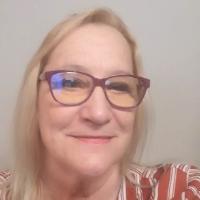
Alyssa Blaeser
LCSW
Calm, practical support for stressed parents and individuals
- Stress, Anxiety
- Family
- Trauma and abuse

Chasity Walter
LCSW
Practical support for motivation and coping
- Stress, Anxiety
- Self esteem
- Depression

Benjamin Fendrich
LCSW
Compassionate practical support for life’s challenges
- Stress, Anxiety
- Addictions
- Career

Jessica Hanson
LCSW
Compassionate, practical support for life changes
- Stress, Anxiety
- Relationship
- Family


Lindsay McClernan
LCSW
Attachment-aware care for major life changes
- Stress, Anxiety
- Family
- Trauma and abuse

Holly Erskine
LCSW
Compassionate guidance for stress and trauma recovery
- Stress, Anxiety
- Trauma and abuse
- Self esteem
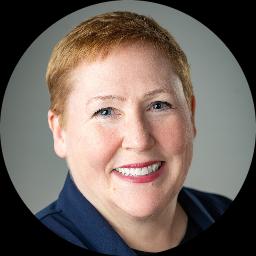
Paula Daine-De Broux
LCSW
Compassionate support for stress and addiction recovery
- Stress, Anxiety
- Addictions
- Family

Jonathan Stone
LCSW
Compassionate, practical therapy for life challenges
- Stress, Anxiety
- Relationship
- Parenting

Jasmine Webster
LCSW
Warm, practical therapy for stress and relationships
- Self esteem
- Depression
- Stress, Anxiety

Diane Jensen
LCSW
Compassionate, practical care for everyday struggles
- Stress, Anxiety
- Relationship
- Trauma and abuse
Some links on this page are partner links. We will earn a commission if you sign up through one, at no cost to you. It does not change what you pay or the order of the listings.
Overview of online therapy availability in Wisconsin
If you live in Wisconsin and are considering online therapy with a licensed clinical social worker, you are exploring an option that many LCSWs in the state offer. The LCSW credential denotes a graduate-level social work education, a period of supervised post-graduate clinical experience, and successful completion of the clinical licensing exam. Because the license is issued by the state board, scope of practice and specific rules about telehealth are determined at the state level. You will find that many LCSWs use video and phone sessions to reach people across urban, suburban, and rural communities in Wisconsin, but the details of how online practice is carried out can vary by clinician and by the regulations that apply to their license. When you look at profiles, you will see details about professional background and the kinds of issues the clinician focuses on; this helps you understand who might align with your needs without relying on ephemeral scheduling information.
Social work training places special emphasis on the person-in-environment perspective. That means LCSWs routinely attend to your life context - housing, work, family, finances, community supports, and access to services - as part of clinical work. If you want a practitioner who will consider external circumstances alongside emotions, relationships, and behavior, an LCSW's approach to assessment and treatment planning may be particularly relevant. Keep in mind that the directory lists credentialed professionals; individual profiles are the source for practice areas, languages spoken, and other details that matter to you.
Benefits of online therapy for Wisconsin residents
Online sessions with a licensed clinical social worker can reduce the need to travel, which is especially useful if you live in a rural county or have limited transportation options. You can use video or phone sessions from home, from a workplace break in a quiet space, or from another safe setting that works for you. This flexibility often makes it easier to maintain regular contact with a clinician over weeks or months, which is important for many kinds of work people pursue with an LCSW.
Beyond convenience, online sessions can make it simpler to connect with LCSWs who list specialized focus areas or speak languages that are less common in your immediate area. If face-to-face services are difficult to find locally, online therapy expands the pool of clinicians who might align with your needs and cultural background. You should consider the technology requirements - a device with a camera and microphone and a reliable internet connection for video, or a phone line for audio-only sessions - and prepare a space where interruptions will be minimal. While the medium changes, the clinical goal remains the same: to help you address concerns in the context of your life and environment.
What types of issues online therapists in Wisconsin commonly help with
Licensed clinical social workers in Wisconsin work with people across the lifespan on a broad range of emotional, relational, and practical concerns. You will find LCSWs who list expertise in areas such as mood concerns, anxiety, relationship and family issues, life transitions, grief and loss, parenting challenges, workplace stress, and the behavioral health needs that intersect with housing, employment, and community resources. Because social work training emphasizes context, an LCSW may help you think through both inner experience and external circumstances, including systems that affect your daily life.
Many LCSWs also list experience supporting people managing chronic health conditions, caregiving responsibilities, or the impact of trauma. When a profile mentions particular approaches or populations - for example, perinatal support, adolescent issues, veteran-related concerns, or work with older adults - that indicates what a clinician reports focusing on. Profiles will often note languages spoken and years of experience. You should read descriptions closely to find clinicians whose focus areas align with the challenges you want to address, and who communicate in the language you prefer for care.
How to verify a therapist's LCSW license in Wisconsin
What the license lookup shows
Before you commit to working with any clinician, it is sensible to confirm that the LCSW credential listed on a profile is current. In Wisconsin, the Department of Safety and Professional Services maintains a license lookup where you can search by name or license number. The directory will typically show the license holder's status, expiration date, and whether any disciplinary actions are on record. Those public records are the authoritative source for licensure, since licensing and renewal are administered by the state board.
How to use the information
When you find a record, note the license status and expiration date. If disciplinary history appears, the record will provide details you can review. A clean, active license indicates that the clinician meets the state's requirements to practice as a licensed clinical social worker at the time shown. Remember that the directory lists credentialed clinicians, but the state database is the source for official license status. If you have questions about what you find, the licensing agency can provide clarification about records and the meaning of specific entries.
How to get started with an online therapist and tips for choosing the right one
Preparing to begin
Starting online therapy with a licensed clinical social worker begins with a few practical steps you can take to make the process smoother. Think about what you want to address and how you prefer to work - for example, short-term problem-focused conversations or longer-term exploration. Decide whether language preference, experience with particular populations, or familiarity with systems like schools, justice, or medical providers matters to you. Review profiles to see which clinicians list those focus areas, and read their bios to get a sense of style and perspective. Make sure you have a device and connection that support the session format you prefer, and plan for a time when you can be in a quiet space without interruptions.
Selecting and evaluating a clinician
When you look at profiles, focus on what matters for fit rather than ephemeral details like appointment times. Compare clinicians by the populations they list, the approaches they include among their descriptions - noting that a practice listing does not equate to a certification - their years of experience, and languages offered. Think about cultural and identity factors that matter to you, such as gender identity, race, ethnicity, sexual orientation, or faith background, and whether a clinician's profile indicates experience or comfort with those areas. If profiles include short statements about the clinician's view of the therapeutic relationship or how they work with systems in clients' lives, those can be helpful clues about fit. You should also be prepared to ask practical questions during an initial contact, such as how they handle emergencies if you are not in the same physical location, and how they coordinate care with other providers when needed.
Choosing a good match can take time, and it is normal for people to try more than one clinician before they find someone who feels right. Prioritize what matters most to you - such as a clinician who understands your life context or who speaks your preferred language - and use profile information to narrow your options. Profiles are built to help you compare focus areas, approaches listed by clinicians, languages, and experience so you can make an informed choice about who to contact first. Remember that the directory is a starting point for finding licensed clinical social workers who provide online services across Wisconsin, and your needs and preferences will guide the best match for you.