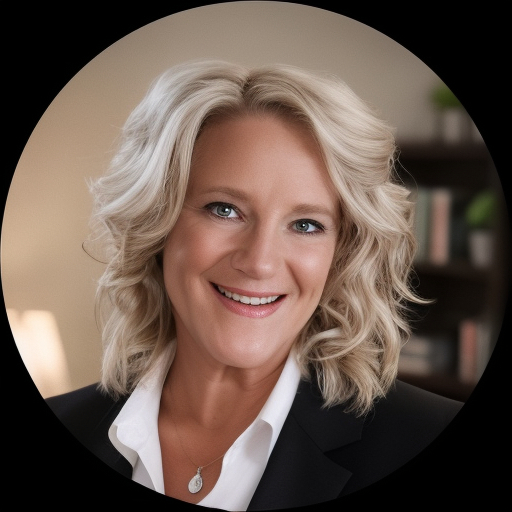
Belinda Wiley, LCSW
Licensed in Oklahoma · 7 years in practice
Belinda Wiley meets people where they are and helps them find clearer ways forward.
License and registration
- LCSW, Oklahoma
- 7815 · expires December 2026
- NPI
- 1477031102 · national provider identifier
- Years in practice
- 7
- Languages
- English
Details are as listed on the therapist's public professional profile. You can check any license with the state board and any NPI with the national registry.
About Belinda
Belinda Wiley meets people where they are and helps them find clearer ways forward. She is a licensed clinical social worker, LCSW, based in Oklahoma. Her work focuses on everyday problems that feel overwhelming, like stress, anxiety, depression, grief, addictions, and the aftereffects of trauma.
She keeps sessions straightforward and personal. Conversations center on what’s happening now and on small steps that can reduce distress. She pays attention to communication patterns, attachment concerns, and how past experiences shape current reactions.
Background and approach
Belinda draws on evidence-based therapeutic techniques and a person-centered attitude. She helps clients build coping skills, handle strong emotions, and strengthen self-understanding. Practical strategies are paired with space to process painful memories and losses.
She also addresses issues linked to adoption and foster care, abandonment, caregiver stress, chronic illness, and neurodiversity such as autism and Asperger syndrome. Other focus areas include codependency, commitment and control struggles, and problems with social or workplace interactions. Sessions aim to be collaborative and paced to each person’s needs.
Belinda’s seven years of experience inform a calm, steady approach that values small gains. She offers therapy in English and works with people across a range of life challenges.
Focus areas and approaches
Everything Belinda lists on their public professional profile, in their own terms.
- Stress, Anxiety
- Addictions
- Trauma and abuse
- Grief
- Depression
- Abandonment
- Adoption and foster care
- Antisocial personality
- Attachment issues
- Autism and Asperger Syndrome
- Avoidant personality
- Blended family issues
- Caregiver issues and stress
- Chronic pain, illness, and disability
- Co-morbidity
- Codependency
- Commitment issues
- Communication problems
- Control issues
- Coping with natural or human-caused disaster
- Dependent personality
- Dissociation
- Divorce and separation
- Domestic violence
- Drug and alcohol addiction
- Emptiness
- Family of origin issues
- Family problems
- First responder issues
- Forgiveness
- Guilt and shame
- Hoarding
- Impulsivity
- Infidelity
- Isolation / loneliness
- Life purpose
- Veteran and Armed Forces Issues
- Mood disorders
- Multicultural concerns
- Narcissism
- Obsessions, compulsions, and OCD
- Panic disorder and panic attacks
- Paranoia
- Personality disorders
- Phobias
- Post-traumatic stress
- Prejudice and discrimination
- Process addiction (porn, exercise, gambling)
- Seasonal Affective Disorder (SAD)
- Self-love
- Sex addiction
- Sexual assault and abuse
- Sexuality
- Smoking / vaping cessation
- Social anxiety and phobia
- Somatization
- Trichotillomania
- Workplace issues
Online support
Evidence-based approaches and online care
Belinda uses evidence-based therapeutic techniques to guide sessions in clear, practical ways. One common approach focuses on building coping skills and emotion regulation to reduce anxiety and manage stress; this involves practicing new habits and breaking problems into manageable steps. Another approach centers on processing trauma and grief at a steady pace, helping people tell their story, reduce overwhelm, and find ways to move forward.Choosing the right method is a collaborative process. The therapist will talk with each person about goals, preferences, and what has or hasn’t helped in the past. Together they adjust techniques so the work fits the individual’s needs and pace.
Online therapy offers several practical benefits. Video calls allow for face-to-face conversation when more connection is helpful. Phone sessions can work well when bandwidth is limited or when someone prefers not to be on camera. Live chat and text-based messaging give short, flexible ways to check in between longer sessions. These options make it easier to fit therapy into busy schedules and to keep consistent momentum toward goals.
We will earn a commission if you sign up through our link, at no cost to you. It does not change what you pay or the order of the listings.
Questions people ask
What kinds of concerns can be addressed?
She works with stress, anxiety, addictions, trauma and abuse, grief, and depression. Additional focus areas include attachment issues, adoption and foster care concerns, chronic illness, and caregiver stress.
What is the therapy style like?
Sessions are person-centered and practical. Expect clear conversations, skill-building, and time to process difficult emotions.
How much clinical experience is on offer?
The therapist has seven years of professional experience supporting people through a range of emotional and life challenges.
What credentials and location are listed?
Belinda holds an LCSW designation and practices in Oklahoma.
Which languages are sessions offered in?
Sessions are offered in English. International clients are not currently accepted.
What session formats are available?
Therapy can be conducted by video calls, phone sessions, live chat, or text-based messaging depending on the person’s preference.
How does billing and cost work?
Cost varies with location and therapist availability and sessions use a subscription model that can be canceled at any time.
How do I begin the process?
Click the Start Therapy button, complete a short matching questionnaire, and schedule according to the therapist’s availability.
More therapists in Oklahoma
See allAmber Wright
LCSW
Calm, practical support for everyday struggles
- Stress, Anxiety
- Self esteem
- Depression

Annette Burleigh
LCSW
Compassionate, experienced support for family and life change
- Family
- Grief
- Parenting
Lorri Perez
LCSW
Compassionate, practical therapy for everyday struggles
- Stress, Anxiety
- Family
- Parenting

Camille Palmer
LCSW
Compassionate, practical therapy for life challenges
- Stress, Anxiety
- Addictions
- Family
Is this your profile?
Ask us to correct details or take the page down.
Contact us