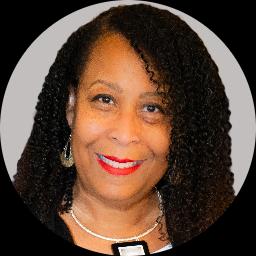
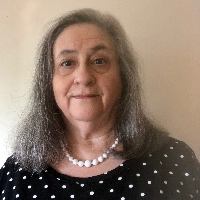
Maria Wilson
LCSW
Compassionate, practical therapy for stressed parents and adults
- Stress, Anxiety
- Relationship
- Family
Clinical social work directory
1,240 therapists list prejudice and discrimination among the things they work with. All offer sessions online, and every profile shows the registering body, the membership number and when it runs to.
Explore licensed clinical social workers (LCSWs) who focus on prejudice and discrimination. Browse the listings below to compare focus areas, approaches, languages, and experience to find a good match.
LCSW
Compassionate, practical therapy for stressed parents and adults
LCSW
Compassionate social worker focused on practical change
LCSW
Practical, values-focused therapy for life problems
LCSW
Compassionate, strengths-based therapy for life transitions
LCSW
Compassionate, practical support for personal growth
LCSW
Practical, respectful therapy focused on real life
Experienced social worker and clinician
LCSW
Practical, evidence-based support for stress and trauma
LICSW, LCSW, CSW
Practical, compassionate support for life transitions
LCSW
Practical, steady care from an experienced LCSW
LCSW
Hopeful, practical therapy for real-life struggles
LCSW, LISW-CP
Compassionate social worker focused on practical change
LSCSW, LCSW
Practical, respectful therapy for life changes
LCSW, CSW
Experienced LCSW focused on practical change
LCSW
Practical, compassionate therapy for life transitions
LCSW
Trauma-informed care with practical tools
LCSW
Compassionate, practical therapy focused on everyday life
LCSW
Careful, practical support for relationships and identity
LCSW
Therapist focused on practical coping skills
LCSW
Calm, experienced therapist focused on practical change
LCSW
Compassionate, practical therapy for life challenges
LCSW
Compassionate, practical therapy for life challenges
LCSW
Compassionate social worker for practical change
LCSW
Compassionate practical support for life’s hard moments
LCSW
Compassionate, practical support for life transitions
LCSW
Compassionate, practical therapy for life’s hard moments
LCSW
Compassionate therapy for life’s difficult moments
LCSW
Compassionate, practical support for life changes
LCSW
Compassionate practical support for everyday struggles
LCSW
Compassionate, practical support for adult struggles
LCSW
Compassionate help for stress and life changes
LCSW
Compassionate, practical therapy for real-life challenges
LCSW
Calm, practical support for life transitions
LCSW
Compassionate practical therapy for everyday struggles
LCSW
Practical support for stress, relationships, and life changes
Some links on this page are partner links. We will earn a commission if you sign up through one, at no cost to you. It does not change what you pay or the order of the listings.
Prejudice and discrimination refer to biased attitudes and unequal treatment based on characteristics such as race, ethnicity, religion, gender identity, sexual orientation, disability, immigration status, or other social identities. Those experiences can be episodic - an overt incident of harassment, for example - or chronic, such as daily microaggressions. Over time, repeated exposure to biased behavior and systemic exclusion can shape how you see yourself, your relationships, and your place in the world.
A licensed clinical social worker holds a master of social work degree, has completed a state-defined period of supervised post-graduate clinical experience - commonly around two to three years and several thousand hours, though exact requirements vary by state - and has passed a clinical licensing examination. The license is issued and renewed by an individual state board, and scope of practice and title can differ across states. Social work training emphasizes a person-in-environment perspective, which means LCSWs look at both your internal experience and the external circumstances that affect your well-being - housing, work, family, finances, community supports, and access to care - rather than treating you in isolation. That orientation often makes LCSWs a good choice when the harm you face is rooted in social systems or ongoing interpersonal injustice.
You might seek support if experiences of prejudice or discrimination affect your mood, relationships, work, or sense of safety. Common signs include persistent feelings of anger or sadness tied to incidents of bias, heightened anxiety in certain social settings, avoidance of places or groups where you have been targeted, difficulty trusting others, or trouble sleeping and concentrating. You may also notice changes in behavior such as withdrawing from cultural or community life that used to feel meaningful, or reacting strongly in situations that remind you of past harm.
In some cases, discrimination intersects with other stressors - for example, housing instability, job loss, or legal issues - and those combined pressures can feel overwhelming. Because LCSWs are trained to consider environmental factors alongside individual experience, they can help you identify how systemic problems and practical barriers contribute to distress while also supporting emotional coping. If you find that incidents of prejudice are affecting your day-to-day functioning, relationships, or ability to meet goals, talking with an LCSW who lists this specialty may be a helpful step.
Initial meetings typically involve assessment and listening. Your LCSW will want to understand the specific experiences that brought you in, how those events affect you now, and what you hope to address. This may include questions about your identity, cultural background, family context, community supports, and any legal or workplace dynamics that are relevant. Expect a focus on both the emotional impact of bias and the practical challenges it creates, because social work practice integrates those dimensions.
Sessions often center on clarifying goals - such as reducing anxiety in public settings, rebuilding trust after an interpersonal violation, developing strategies to cope with workplace discrimination, or strengthening social supports. Your LCSW may help you process painful experiences, explore how internalized messages from prejudice affect self-worth, and develop coping skills for managing distress in the moment. They may also discuss options for advocacy, system navigation, or connecting you with community resources if there are practical barriers like housing, employment, or legal concerns. Throughout, the work aims to address both psychological responses and the external conditions that sustain harm, so you should expect a blend of emotional processing and problem-focused planning.
Because licensing and scope vary by state, the specific tasks an LCSW takes on can differ, but many adopt measurable, client-driven goals and revisit them regularly. Progress may show up as improved capacity to handle microaggressions without spiraling, clearer strategies for workplace communication, stronger boundaries in relationships, or greater access to community supports. Your LCSW will likely work with you to define what change looks like and how to evaluate it in practical terms.
Therapists who list work with prejudice and discrimination often draw on a range of approaches rather than a single method. Some may list cognitive behavioral approaches to help you identify and shift thought patterns that increase distress after biased treatment. Others may list narrative-oriented approaches that focus on reshaping the stories you tell about yourself in the wake of marginalization. Trauma-informed language appears frequently because discriminatory events can be experienced as traumatic, and an emphasis on safety, pacing, and empowerment guides the work.
Multicultural and identity-affirming practices are commonly noted among clinicians who focus on prejudice and discrimination. These approaches center your cultural experiences and strengths, validate identity-based distress, and attend explicitly to power dynamics within the therapeutic relationship. Strengths-based and empowerment-oriented work supports you in reclaiming agency and identifying resources. Group formats may also be helpful for some people because they offer community validation and shared strategies, and you may find LCSWs who list group facilitation among their approaches. When reviewing therapist profiles, notice how clinicians describe their focus areas and which approaches they list, as that language can help you find an LCSW whose orientation matches your needs.
Online sessions with an LCSW can make it easier to connect with someone whose experience and identity align with yours, especially if local options are limited. Remote work typically uses video or phone calls and follows the same clinical and ethical standards that apply to in-person care, adjusted for virtual communication. In an online setting you can work on emotion regulation, narrative processing, role-play difficult conversations, and develop safety plans for dealing with biased encounters - all from your home or another comfortable environment.
There are practical considerations to keep in mind for online work. You will want to identify a quiet, interruption-free place to meet and check the technology ahead of your first session. Discuss with the LCSW how they handle documentation, follow-up, and emergency planning when you are not in the same location. Because LCSW licensing is state-specific, therapists list the states where they are authorized to practice; that matters for legal and regulatory reasons rather than being a reflection of their skill. If telehealth is your preference, look for clinicians who note experience with remote sessions and who describe how they adapt interventions for virtual settings.
When selecting an LCSW, think about match and practical fit. Consider whether you want someone who shares aspects of your identity or someone with particular experience in settings similar to yours - for example, workplace discrimination, immigration-related bias, or faith-based conflicts. Read profiles to compare focus areas, listed approaches, languages spoken, and experience with community resources. Pay attention to how a clinician describes their work with systemic issues and whether they articulate a person-in-environment perspective that aligns with your expectations.
It can also help to reflect on style preferences. Some people want a clinician who emphasizes skills and problem-solving, while others prioritize deep narrative work or identity-affirming support. Look for language that signals respect for your lived experience and an emphasis on collaboration. Finally, consider practical matters such as session format - in-person, video, or phone - and any language needs. The directory focuses on licensed clinical social workers, so comparing profiles lets you identify clinicians who list relevant experience without making assumptions about methods or availability. Choosing a clinician who feels like a good fit for you increases the likelihood of meaningful progress over time.
Working with an LCSW can be a step toward addressing the emotional and practical effects of prejudice and discrimination. By understanding what to expect and reviewing clinician profiles closely, you can find an LCSW whose background, approach, and perspective match the kind of support you want.