
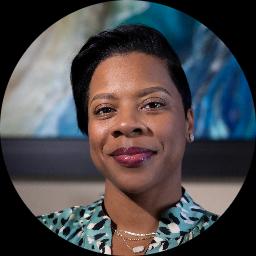
Amanda Bailey, LCSW
Licensed in Texas · 6 years in practice
Amanda Bailey is a licensed clinical social worker (LCSW) practicing in Texas with six years of clinical experience and nearly 20 years in the mental health field.
License and registration
- LCSW, Texas
- 60865 · expires September 2026
- NPI
- 1356080014 · national provider identifier
- Years in practice
- 6
- Languages
- English
Details are as listed on the therapist's public professional profile. You can check any license with the state board and any NPI with the national registry.
About Amanda
Amanda Bailey is a licensed clinical social worker (LCSW) practicing in Texas with six years of clinical experience and nearly 20 years in the mental health field. She helps adults who are coping with stress, anxiety, relationship struggles, grief, self-esteem concerns, trauma, and related issues. Her tone is direct and compassionate, aimed at people who are ready to take practical steps forward.
Amanda uses an individualized style rather than a one-size-fits-all method.
Background and approach
She listens for each person’s unique history and builds goals around what matters most to them. Sessions emphasize strengths and practical skills that can be used between meetings. Her background includes work with relationship problems such as infidelity, communication breakdowns, and emotional regulation.
She also addresses adoption and foster care topics, attachment challenges, caregiver stress, body image, and blended family dynamics. Amanda is familiar with co-morbidity and personality-related concerns that complicate everyday life. In the therapy room she leans on humanistic and person-centered methods, keeping the client’s priorities in focus.
She encourages honesty and straightforward feedback about goals and progress. Trust is important to her and she aims to create an atmosphere where people feel able to speak openly. Amanda frames therapy as a collaborative effort.
She will work together with clients to set realistic steps for change and to track what is working. She welcomes questions and will be clear about the plan for moving forward.
Focus areas and approaches
Everything Amanda lists on their public professional profile, in their own terms.
- Stress, Anxiety
- Relationship issues
- Trauma and abuse
- Grief
- Self esteem
- Abandonment
- Adoption and foster care
- Aging and geriatric issues
- Attachment issues
- Autism and Asperger Syndrome
- Avoidant personality
- Blended family issues
- Body image
- Caregiver issues and stress
- Co-morbidity
- Codependency
- Commitment issues
- Communication problems
- Control issues
- Dependent personality
- Dissociation
- Divorce and separation
- Domestic violence
- Drug and alcohol addiction
- Emptiness
- Family of origin issues
- Family problems
- Fatherhood issues
- Fertility issues
- Forgiveness
- Guilt and shame
- Impulsivity
- Infidelity
- Isolation / loneliness
- Jealousy
- Life purpose
- Midlife crisis
- Money and financial issues
- Mood disorders
- Panic disorder and panic attacks
- Personality disorders
- Postpartum depression
- Post-traumatic stress
- Pregnancy and childbirth
- Self-love
- Sexual assault and abuse
- Women's issues
- Workplace issues
- Young adult issues
Online support
Evidence-based approaches delivered online
Amanda uses evidence-based therapeutic techniques tailored to each person. Person-centered therapy focuses on listening and understanding each person’s experience, helping them identify goals and move at their own pace. This approach is helpful for relationship concerns, self-esteem work, and grief.She also draws on humanistic methods that emphasize strengths and practical problem solving. That can look like building communication skills, practicing emotional regulation, or creating step-by-step plans to manage stress and anxiety. These techniques are useful when life transitions or trauma make daily functioning harder.
Finding the right approach is part of the work. Amanda collaborates with clients to choose methods that match their needs, goals, and preferences. She checks in about progress and adjusts the plan when something isn’t helping, so therapy stays practical and focused.
Online sessions are offered by video calls, phone sessions, live chat, or text-based messaging to fit different routines. Video is good for deeper conversation and nonverbal cues, phone can be easier when bandwidth is limited, and chat or messaging works for brief check-ins or when scheduling needs to be flexible. These options make it easier to fit therapy into busy lives while keeping the focus on steady, usable progress.
We will earn a commission if you sign up through our link, at no cost to you. It does not change what you pay or the order of the listings.
Questions people ask
What concerns does Amanda commonly address?
She works with stress, anxiety, relationship issues, trauma and abuse, grief, and self-esteem concerns, along with related topics such as attachment, caregiver stress, and body image.
How would you describe her therapy style?
The approach is individualized and person-centered, focusing on strengths and practical skills tailored to each person’s situation.
What kind of experience does she bring?
Amanda has six years of clinical practice plus almost 20 years working in the broader mental health field.
Where is she licensed and based?
She is a licensed clinical social worker (LCSW) practicing in Texas.
Which languages are supported in sessions?
Sessions are offered in English.
What session formats are available?
Sessions can be done by video calls, phone sessions, live chat, or text-based messaging.
How does cost and billing work?
Cost varies with location and therapist availability; sessions use a subscription that can be canceled at any time.
How do I begin working with her?
Click the Start Therapy button, complete a short matching questionnaire, and schedule sessions according to therapist availability.
More therapists in Texas
See allTinita Samuels
LCSW
Compassionate, practical support for emotional challenges
- Stress, Anxiety
- Grief
- Anger

Ersha Mitchell
LCSW
Practical, values-driven therapy for life challenges
- Stress, Anxiety
- LGBT
- Trauma and abuse

Juanita Perry-Hoffman
LCSW
Experienced LCSW offering steady practical support
- Stress, Anxiety
- Relationship
- Family

Is this your profile?
Ask us to correct details or take the page down.
Contact us