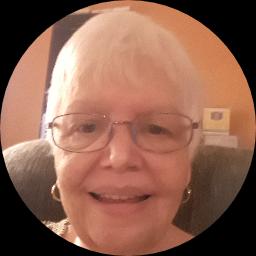
Dr. Michelle Blake, LCSW
Licensed in Tennessee · 15 years in practice
Dr. Michelle Blake helps people who are dealing with grief, depression, anxiety, stress, and big life changes.
License and registration
- LCSW, Tennessee
- 8160 · expires October 2027
- LCSW, Indiana
- 34004767A · expires April 2026
- NPI
- 1508990136 · national provider identifier
- Years in practice
- 15
- Languages
- English
Details are as listed on the therapist's public professional profile. You can check any license with the state board and any NPI with the national registry.
About Michelle
Dr. Michelle Blake helps people who are dealing with grief, depression, anxiety, stress, and big life changes. She also supports those facing relationship or intimacy concerns, LGBT-related issues, low self-esteem, career transitions, trauma and compassion fatigue.
She uses straightforward, empathetic conversation to make hard topics easier to name and understand. She is a licensed clinical social worker - LCSW - practicing in Tennessee with 15 years of clinical experience. Sessions start by listening to what matters most to the person sitting across from her.
Background and approach
From there she and the client set goals that feel realistic and useful. Her style is calm and reflective. She offers space for people to say difficult things and then helps them notice patterns that get in the way.
She focuses on how past experiences shape current feelings and choices, while also attending to what a person needs in daily life. In sessions she uses client-centered techniques to follow a person’s lead and psychodynamic ideas to look at longer-standing patterns. Those approaches are used flexibly to match what each person brings to therapy.
The pace depends on the topic and the client’s comfort level. People come to her wanting clearer direction, relief from persistent low mood or anxiety, or better ways to handle loss and transitions. She works with practical steps and reflective conversation to help people move forward.
If someone wants to begin, she supports them through the initial scheduling and matching process.
Focus areas and approaches
Everything Michelle lists on their public professional profile, in their own terms.
- Grief
- Depression
- Coping with life changes
- Stress, Anxiety
- LGBT
- Relationship issues
- Trauma and abuse
- Intimacy-related issues
- Self esteem
- Career difficulties
- Compassion fatigue
- Aging and geriatric issues
- Avoidant personality
- Caregiver issues and stress
- Codependency
- Control issues
- Coping with natural or human-caused disaster
- Family of origin issues
- Fertility issues
- Gender dysphoria
- Guilt and shame
- Hospice and end-of-life counseling
- Life purpose
- Midlife crisis
- Mood disorders
- Multicultural concerns
- Obsessions, compulsions, and OCD
- Phobias
- Pregnancy and childbirth
- Prejudice and discrimination
- Seasonal Affective Disorder (SAD)
- Self-love
- Sexual assault and abuse
- Social anxiety and phobia
- Women's issues
- Workplace issues
- Young adult issues
Approaches Michelle names
Naming an approach is not evidence of training in it. This directory copies what each therapist lists and does not check training records.
Online support
How her approaches translate to online care
Client-Centered Therapy focuses on listening and following the client’s lead. In practice this means sessions begin with what the person wants to talk about, and the therapist reflects back concerns and priorities so solutions feel relevant. This approach can help with stress, anxiety, relationship worries, and self-esteem issues.Psychodynamic Therapy looks at how past experiences shape current feelings and patterns. It involves noticing repeated reactions and talking through how early relationships influence choices today. This work can help with grief, depression, intimacy concerns, and long-standing mood patterns.
Finding the right approach is part of the process. The therapist will work with the client to decide which ideas and techniques fit their goals and pace. That collaborative planning can change over time as needs shift and progress is made.
Online therapy offers practical flexibility. Video calls let people use visual cues for deeper conversation, while phone sessions can be easier when bandwidth or camera use is limited. Live chat and text-based messaging are useful for brief check-ins, processing between sessions, or when a written format feels clearer. These options make it easier to fit regular therapy into a busy life.
We will earn a commission if you sign up through our link, at no cost to you. It does not change what you pay or the order of the listings.
Questions people ask
What concerns does she help people with?
She supports people coping with grief, depression, anxiety, stress, trauma and relationship or intimacy issues, among other concerns listed in her specialties.
What is her therapeutic style like?
Her approach is calm and reflective, offering a nonjudgmental space to talk and helping people notice patterns that affect daily life.
How much experience does she have?
She has 15 years of clinical experience as a licensed professional and prior work in higher education.
Where is she licensed and based?
She holds LCSW credentials in Tennessee and Indiana and is listed as practicing in Tennessee.
Can I see her if I live outside the U.S.?
Sessions are offered in English and she is not accepting international clients at this time.
What session formats are available?
She offers video calls, phone sessions, live chat, and text-based messaging for online therapy.
How is cost handled?
Cost varies with location and therapist availability; sessions use a subscription that can be canceled at any time.
How do I get started?
Begin by selecting the Start Therapy button, complete a short matching questionnaire, and schedule sessions according to therapist availability.
More therapists in Tennessee
See allBetty Burns
LCSW
Compassionate social worker focused on real-life change
- Relationship
- Trauma and abuse
- ADHD
Bradley Clayton
LCSW
Calm, practical support for daily struggles
- Stress, Anxiety
- Trauma and abuse
- Grief

Is this your profile?
Ask us to correct details or take the page down.
Contact us