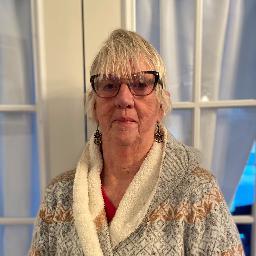
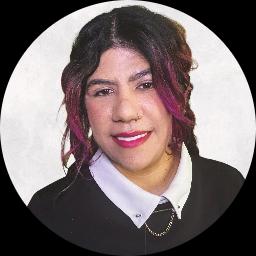
Donna Rippelmeyer
LCSW
Compassionate support for stress and sexual concerns
- Stress, Anxiety
- LGBT
- Trauma and abuse
Clinical social work directory
623 therapists list gender dysphoria among the things they work with. All offer sessions online, and every profile shows the registering body, the membership number and when it runs to.
This directory lists Licensed Clinical Social Workers (LCSWs) across the United States who identify gender dysphoria among their focus areas. Browse the profiles below to compare focus areas, therapeutic approaches, credentials and languages as you review options.
LCSW
Compassionate support for stress and sexual concerns
LCSW
Compassionate therapist helping people build stronger coping skills
LCSW
Compassionate, practical support for personal growth
LCSW
Practical, respectful therapy focused on real life
Experienced social worker and clinician
LCSW
Practical, evidence-based support for stress and trauma
LCSW
Compassionate, practical support for life challenges
LCSW, CSW
Compassionate social worker focusing on relationships
LSCSW, LCSW
Practical, respectful therapy for life changes
LCSW
Compassionate, practical support for life's hard moments
LCSW
Experienced LCSW guiding practical change
LCSW
Careful, practical support for relationships and identity
LCSW
Calm, experienced therapist focused on practical change
LISW, LCSW, CSW
Compassionate social worker who values practical steps
LCSW
Compassionate, practical therapy for life challenges
LCSW
Compassionate, practical therapy for life challenges
LCSW
Compassionate social worker for practical change
LCSW
Calm, practical support for real-life challenges
LCSW
Compassionate, practical therapy for everyday struggles
LCSW
Compassionate, practical therapy for life’s hard moments
LCSW
Compassionate therapy for life’s difficult moments
LCSW
Compassionate, practical therapy for life challenges
LCSW
Compassionate, practical therapy for life's hard moments
LCSW
Gentle practical therapy for life transitions
LCSW
Compassionate evidence-based care for adults
LCSW
Calm, practical support for life transitions
LCSW
Therapist focusing on communication and identity
LCSW
Practical, person-focused counseling for life challenges
LCSW
Gentle, practical therapy grounded in mindfulness
LCSW
Compassionate, practical support for life’s challenges
LCSW
Compassionate, practical therapy for everyday struggles
LCSW
Compassionate bilingual therapy for trauma and relationship healing
LCSW, LISW-CP
Practical, faith-informed therapy for everyday struggles
LCSW
Compassionate, practical therapy for everyday challenges
LCSW
Compassionate practical support for daily struggles
LCSW
Compassionate, practical therapy for life challenges
Some links on this page are partner links. We will earn a commission if you sign up through one, at no cost to you. It does not change what you pay or the order of the listings.
Gender dysphoria describes the distress or discomfort that can arise when a person’s experienced or expressed gender does not align with the sex assigned at birth. That experience looks different from person to person. For some people the discomfort is mainly about body-related issues; for others it centers on social expression, relationships, or legal and administrative barriers. Not everyone who is transgender or nonbinary experiences dysphoria, and experiencing dysphoria does not by itself prescribe any single path forward.
The ways gender dysphoria affects daily life often extend beyond inner experience. You might notice changes in mood, energy, concentration, or sleep. Relationships with family, friends, and coworkers may shift as you navigate coming out or changing presentation. Practical matters such as housing, employment, medical appointments, or legal name changes can add strain. Because the experience is both personal and shaped by social context, many people find it helpful to work with a clinician who understands those two sides together.
Licensed Clinical Social Workers hold a master’s degree in social work, complete a state-set period of supervised post-graduate clinical experience - commonly around two to three years and several thousand hours - and pass a clinical licensing examination. Licenses are issued and renewed by state boards, so titles and scope of practice vary by state. An LCSW’s education and practice emphasize a person-in-environment perspective, which means social, economic, family, community and systemic factors are considered alongside internal feelings and coping.
If you are navigating gender dysphoria, that broader lens can be useful. An LCSW can focus not only on emotional processing and identity exploration but also on how housing, work, health care access, family dynamics and legal systems shape your options and stressors. Many LCSWs list experience coordinating with other providers, helping with case management tasks, or supporting advocacy and systems navigation where allowed by state rules. Remember that the specific services an individual LCSW offers depend on their training, practice setting and the regulations in the state where they are licensed.
You might consider therapy when feelings related to gender cause significant distress, interfere with daily functioning, or create conflicts in relationships. Common indicators include persistent discomfort with one's body or gendered expectations, ongoing anxiety or depression linked to identity, avoidance of social situations for fear of misgendering, trouble with workplace or school environments, or complex reactions within families. You may also seek support when preparing for social or medical steps, processing past trauma, or managing the emotional fallout of coming out.
Beyond emotional signals, practical hurdles can point to a need for a clinician who addresses both feelings and context. If navigating health care systems, insurance, legal name and gender marker changes, housing concerns, or employment discrimination feels overwhelming, an LCSW’s person-in-environment focus may help you manage those tasks alongside psychotherapy. If you find yourself unsure about goals, worried about safety, or needing help communicating with loved ones, those are reasonable reasons to seek out professional support.
When you begin working with an LCSW, initial sessions typically involve learning about your history, current challenges, and priorities. You and the clinician will likely discuss how gender fits into the broader context of your life - family, work, housing, finances and community - and set collaborative goals. Therapy may include processing feelings related to identity and transition, building coping skills for anxiety or depression, and planning for practical next steps you want to take.
Sessions often blend emotional work with problem-solving. You may practice strategies to manage dysphoria in daily life, prepare for conversations with family or employers, or plan for medical appointments. Some people pursue family or couples sessions to rebuild relationships and improve communication. Where appropriate under state regulations and within the clinician’s scope, an LCSW may coordinate with medical providers or community resources, support paperwork or referrals, and assist with case management tasks that help you move forward. Therapy is generally collaborative and tailored to your priorities, whether that means short-term support during a specific transition or ongoing work on identity and resilience.
Therapists who list approaches relevant to gender dysphoria often combine emotional, cognitive and systems-focused work. Many profiles include modalities such as cognitive behavioral strategies to address anxiety or depression, narrative and identity-focused work to explore gender stories and meaning, family systems perspectives when relationships are involved, and trauma-informed care when past harm affects present functioning. You will also see therapists who list gender-affirming practice among their approaches, and clinicians who emphasize strengths-based or resilience-focused work.
It is important to note that the directory records what therapists list among their approaches; that listing does not equate to a specific certification. If a particular method matters to you, it’s reasonable to review a profile to see which approaches are named and to ask directly about how those approaches are used in the context of gender dysphoria. Because each LCSW’s mix of skills and experience is different, many people prioritize clear communication about goals and methods in early sessions so the work aligns with what they want to accomplish.
Online sessions can increase access to clinicians with relevant experience, especially if local options are limited. Telehealth for mental health typically uses video or phone sessions so you can meet from home or another comfortable environment. Licensing rules matter: because LCSW licensure is state-based, a clinician can practice only within the jurisdictions where they hold a license. That means online care is subject to state regulations, and understanding those boundaries is part of planning telehealth work.
When you choose online care, consider practical matters such as technology reliability, a quiet and safe setting for sessions, and how emergency or crisis needs will be handled. Many people find online work helpful for maintaining continuity when relocating, for discreet access in areas with fewer in-person options, or for coordinating with clinicians who have specific experience with gender dysphoria. Think about whether you prefer video, phone, or occasional in-person meetings and look for therapists who list the formats they use. Because the directory focuses on professional credentials and practice descriptions, you can use profiles to compare whether clinicians note experience with telehealth, the languages they speak, and the populations they list as their focus.
Finding a good fit often means balancing clinical background, lived experience, communication style and practical considerations. Start by looking for LCSWs who explicitly list gender dysphoria or transgender and nonbinary care among their focus areas. Review credentials to confirm licensure, note the state where the license is held, and read descriptions of approaches and populations served. Pay attention to whether a clinician names experience working with families, adolescents, adults, medical coordination, or legal paperwork if those elements are relevant to your goals.
Language match, cultural competence and an approach that aligns with your priorities matter. If you want a clinician who centers systemic issues like housing or employment, their social work background and mention of case management may be relevant. If relational work is a priority, seek clinicians who list family systems or couples work among their approaches. Use the profiles to compare focus areas, approaches, credentials and languages. When you contact a clinician, it is reasonable to ask how they typically work with gender dysphoria and what kinds of supports they emphasize. Clear communication about your goals, values and practical needs will help you and the clinician determine whether to begin working together.
Working with an LCSW can offer a combined focus on emotional well-being and the environmental factors that shape life with gender dysphoria. Because each clinician’s practice and the rules that govern licensure vary by state, taking time to review profiles and talk through goals can help you identify someone whose experience and approach align with what you need. Whether you are exploring identity, planning a transition, managing family dynamics, or addressing the practical barriers that complicate daily life, an LCSW’s person-in-environment perspective can be a practical asset in therapy.