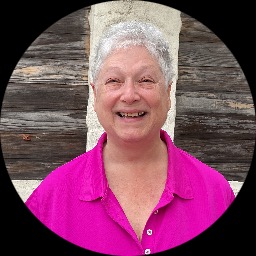
Lorrie Herzberg, LCSW, LICSW
Licensed in California · 30 years in practice
Lorrie Herzberg is a licensed clinical social worker with 30 years of experience in Massachusetts and California.
License and registration
- LCSW, California
- 70721 · expires October 2027
- LICSW, Massachusetts
- LICSW1121652 · expires October 2027
- NPI
- 1154539245 · national provider identifier
- Years in practice
- 30
- Languages
- English
Details are as listed on the therapist's public professional profile. You can check any license with the state board and any NPI with the national registry.
About Lorrie
Lorrie Herzberg is a licensed clinical social worker with 30 years of experience in Massachusetts and California. She brings steady, practical care to people facing stress, anxiety, grief, life transitions, and trauma. Her style is respectful and straightforward, focused on what helps in daily life.
Lorrie helps people sort through relationship and intimacy concerns, career struggles, and the aches that come with aging or caregiving. She also supports those dealing with chronic illness, cancer-related stress, and the fallout from separation or abandonment.
Background and approach
Conversations aim to clarify what matters most and find steps clients can try between sessions. Her approach draws on several methods, including client-centered work, EMDR for trauma, hypnotherapy, mindfulness, and psychodynamic ideas. She talks through which methods might fit a person’s needs and adapts as therapy progresses.
Sessions focus on concrete coping skills alongside deeper understanding of patterns and feelings. People who want a collaborative, calm guide tend to fit well. Lorrie emphasizes respect, sensitivity, and compassion while helping people set realistic goals.
She balances supportive listening with practical tools to manage stress and build more satisfying daily routines. Clients can expect a tailored plan rather than a one-size-fits-all approach. Work may include short-term strategies for immediate relief and longer-term exploration of life stories that shape current struggles.
Lorrie aims to empower each person to move toward clearer choices and steadier days.
Focus areas and approaches
Everything Lorrie lists on their public professional profile, in their own terms.
- Stress, Anxiety
- Trauma and abuse
- Grief
- Self esteem
- Coping with life changes
- Relationship issues
- Intimacy-related issues
- Career difficulties
- Depression
- Coaching
- Compassion fatigue
- Abandonment
- Aging and geriatric issues
- Cancer
- Caregiver issues and stress
- Chronic pain, illness, and disability
- Codependency
- Commitment issues
- Communication problems
- Control issues
- Coping with natural or human-caused disaster
- Divorce and separation
- Emptiness
- Family of origin issues
- First responder issues
- Forgiveness
- Guilt and shame
- Hospice and end-of-life counseling
- Isolation / loneliness
- Life purpose
- Midlife crisis
- Panic disorder and panic attacks
- Phobias
- Post-traumatic stress
- Self-love
- Sexual assault and abuse
- Workplace issues
Approaches Lorrie names
- Client-Centered Therapy
- Eye Movement Desensitization and Reprocessing (EMDR)
- Hypnotherapy
- Mindfulness Therapy
- Psychodynamic Therapy
- Trauma-Focused Therapy
Naming an approach is not evidence of training in it. This directory copies what each therapist lists and does not check training records.
Online support
How Lorrie’s Approaches Work Online
Client-centered therapy focuses on the person’s own goals and perspective. The therapist listens closely and helps the client set and reach practical goals, which is useful for stress, life changes, and relationship concerns.Eye Movement Desensitization and Reprocessing, or EMDR, is a trauma-focused method that helps people process painful memories so they feel less overwhelming. It can be helpful when past events continue to cause anxiety or distress.
Finding the right approach is part of the work together. Lorrie will discuss options, try methods that match a person’s needs, and change course when something isn’t helping. This keeps therapy collaborative and tailored to real goals.
Online sessions offer flexible ways to meet. Video calls let people use visual cues and longer conversations. Phone sessions can be a good fit when video is not possible or bandwidth is limited. Live chat and text-based messaging allow shorter check-ins, quick coaching between appointments, and options for people who prefer writing over speaking. These formats make it easier to fit therapy into a busy life and keep progress moving forward.
We will earn a commission if you sign up through our link, at no cost to you. It does not change what you pay or the order of the listings.
Questions people ask
What kinds of concerns does she address?
She works with stress, anxiety, trauma and abuse, grief, depression, and self-esteem issues among other concerns listed in her specialties.
How would you describe her therapy style?
Her style is collaborative and calm, combining listening with practical steps clients can try between sessions.
What is her professional background?
She has 30 years of experience as a clinical social worker and has practiced in multiple settings over her career.
Which credentials and location apply to her practice?
She holds LCSW and LICSW credentials and practices in Massachusetts.
Does she offer sessions in other languages or internationally?
Sessions are offered in English and she is not currently working with international clients.
What formats are available for sessions?
Therapy is offered via video calls, phone sessions, live chat, and text-based messaging to fit different needs.
How is cost handled for therapy?
Cost varies with location and therapist availability; sessions are provided through a subscription that can be canceled at any time.
How do I begin working with her?
Start by selecting the Start Therapy button, completing a short matching questionnaire, and scheduling according to therapist availability.
More therapists in Massachusetts
See allLinda Duffy
LCSW, LICSW
Compassionate practical support for life’s hard moments
- Stress, Anxiety
- Addictions
- Trauma and abuse

Jessica Gerson
LICSW, LCSW
Practical, compassionate therapy for everyday struggles
- Stress, Anxiety
- LGBT
- Parenting

Jessica Senecal-Bennett
LICSW, LCSW
Experienced LCSW focused on practical support
- Stress, Anxiety
- Career
- Depression
Angelica Furtado
LICSW, LCSW
Compassionate, practical support for everyday struggles
- Stress, Anxiety
- Relationship
- Trauma and abuse

Is this your profile?
Ask us to correct details or take the page down.
Contact us