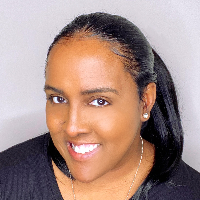
Fquira Johannes, LCSW
Licensed in North Carolina · 20 years in practice
Fquira Johannes offers straightforward, down-to-earth support for people feeling stuck by stress, anxiety, addictions, grief, relationship strain, or big life changes.
License and registration
- LCSW, North Carolina
- C012111 · expires March 2026
- LCSW, New Jersey
- 44SC06254300 · expires August 2026
- LCSW, California
- 130939 · expires June 2027
- NPI
- 1982942017 · national provider identifier
- Years in practice
- 20
- Languages
- English
Details are as listed on the therapist's public professional profile. You can check any license with the state board and any NPI with the national registry.
About Fquira
Fquira Johannes offers straightforward, down-to-earth support for people feeling stuck by stress, anxiety, addictions, grief, relationship strain, or big life changes. She is a Licensed Clinical Social Worker (LCSW) with twenty years of experience and helps clients set clear goals and take manageable steps toward them.
She treats mood concerns such as depression and bipolar, and addresses trauma, intimacy issues, eating and sleeping struggles, and self-esteem. Fquira also works with people facing career or parenting stresses, compassion fatigue, and challenges linked to family of origin or blended family dynamics.
Background and approach
Her approach begins with listening. She centers the person in the room and treats them as the expert on their life. Together they identify practical goals and try strategies that fit the client’s day-to-day life.
Fquira draws on Cognitive Behavioral Therapy to help people notice unhelpful thoughts and try different behaviors. She uses Motivational Interviewing to bolster readiness for change, and client-centered methods to keep sessions focused on what matters most to the client. Sessions are offered in English and she works with people in North Carolina and internationally.
She adapts methods to each person, for example adding visual aids and activities when helpful for those with intellectual disability. The first steps are choosing to start, answering a short matching questionnaire, and scheduling a session.
Focus areas and approaches
Everything Fquira lists on their public professional profile, in their own terms.
- Stress, Anxiety
- Addictions
- Family conflicts
- Career difficulties
- Depression
- LGBT
- Relationship issues
- Trauma and abuse
- Grief
- Intimacy-related issues
- Eating disorders
- Sleeping disorders
- Parenting issues
- Anger management
- Self esteem
- Bipolar disorder
- Coping with life changes
- Coaching
- Compassion fatigue
- ADHD
- Abandonment
- Blended family issues
- Body image
- Cancer
- Codependency
- Commitment issues
- Communication problems
- Control issues
- Divorce and separation
- Domestic violence
- Drug and alcohol addiction
- Eating and food-related issues
- Emptiness
- Family of origin issues
- Family problems
- Fatherhood issues
- Forgiveness
- Guilt and shame
- HIV / AIDS
- Impulsivity
- Infidelity
- Intellectual disability
- Isolation / loneliness
- Jealousy
- Life purpose
- Veteran and Armed Forces Issues
- Money and financial issues
- Mood disorders
- Multicultural concerns
- Obsessions, compulsions, and OCD
- Personality disorders
- Polyamory / non-monogamous relationships
- Self-love
- Sex addiction
- Sexual dysfunction
- Sexuality
- Social anxiety and phobia
- Women's issues
- Workplace issues
Approaches Fquira names
- Client-Centered Therapy
- Cognitive Behavioral Therapy (CBT)
- Mindfulness Therapy
- Motivational Interviewing
- Solution-Focused Therapy
Naming an approach is not evidence of training in it. This directory copies what each therapist lists and does not check training records.
Online support
How her approaches translate to online care
Client-Centered Therapy focuses on listening and working from the client’s priorities. Online sessions using this approach keep the client’s goals front and center and adapt exercises to whatever format works best. Cognitive Behavioral Therapy (CBT) helps people notice patterns of thought and behavior and then try concrete changes; CBT works well over video or phone because homework and skill practice can be reviewed between sessions. Motivational Interviewing is a short-term, conversational method to build readiness for change and is useful for issues like substance use or lifestyle shifts, and it adapts easily to chat or messaging check-ins.Finding the right mix of approaches is part of therapy. She will collaborate with each person to choose methods that match goals, comfort level, and daily routine. That process may involve trying a few tactics and adjusting based on what helps most.
Online formats offer practical benefits. Video calls are useful for full conversations and visual cues. Phone sessions can fit into a work break or be used when less bandwidth is available. Live chat or text-based messaging supports shorter check-ins, quick problem-solving, and ongoing encouragement between sessions. Those options make it easier to keep therapy consistent and to practice new skills in everyday life.
We will earn a commission if you sign up through our link, at no cost to you. It does not change what you pay or the order of the listings.
Questions people ask
What concerns does she help with?
She works with stress, anxiety, depression, addictions, trauma, relationship and intimacy issues, grief, eating and sleeping problems, parenting and career stress, ADHD, and related concerns listed in her specialties.
What is her therapeutic style like?
Her style is collaborative and practical. She centers the client, helps set clear goals, and uses exercises and talk work to try small changes between sessions.
How much experience does she have?
She has twenty years of experience working with a range of mental health and addiction concerns.
What credentials and location are listed?
She is a Licensed Clinical Social Worker (LCSW) and practices from North Carolina while offering services to international clients as well.
Which languages are supported for sessions?
Sessions are offered in English.
What session formats are available?
Sessions can be conducted by video calls, phone sessions, live chat, or text-based messaging.
How does payment and cost work?
Cost varies with location and therapist availability; sessions are provided through a subscription model that can be canceled at any time.
How do I begin working with her?
Start by selecting the Start Therapy button, complete a short matching questionnaire, and schedule a session according to therapist availability.
More therapists in North Carolina
See allRobert Lindsay
LCSW
Forward-focused therapist for practical change
- Stress, Anxiety
- Relationship
- Family

La Kevia Moore
LCSW
Practical, evidence-based support for stress and trauma
- Stress, Anxiety
- Trauma and abuse
- Self esteem

Aimee Campbell Culler
LCSW
Experienced LCSW providing steady support
- Stress, Anxiety
- Addictions
- Relationship

Angela Greene-Junior
LCSW, LISW-CP
Compassionate LCSW focused on practical change
- Stress, Anxiety
- Addictions
- Relationship
Is this your profile?
Ask us to correct details or take the page down.
Contact us