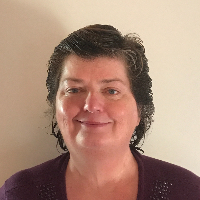
Dorothy Carskadon, LCSW
Licensed in Texas · 26 years in practice
Dorothy Carskadon brings 26 years of clinical social work to her practice in Arizona.
License and registration
- LCSW, Texas
- 104727 · expires April 2027
- LCSW, Illinois
- 149008764 · expires November 2027
- LCSW, Arizona
- LCSW-21244 · expires February 2027
- NPI
- 1134229081 · national provider identifier
- Years in practice
- 26
- Languages
- English
Details are as listed on the therapist's public professional profile. You can check any license with the state board and any NPI with the national registry.
About Dorothy
Dorothy Carskadon brings 26 years of clinical social work to her practice in Arizona. She practices as an LCSW - Licensed Clinical Social Worker and offers steady, practical support for people facing worry and life changes. Dorothy prefers plain language and a hands-on approach to problem solving.
She centers sessions on the person in front of her, using client-centered methods to listen and respond. Dorothy blends cognitive behavioral ideas to help someone notice how thoughts shape feelings and actions.
Background and approach
She also draws on emotion-focused work to name and explore strong feelings. Dorothy often shares worksheets, handouts, and short exercises for people to try between sessions. These tools are meant to help people spot patterns, practice new responses, and track small changes.
She describes herself as a resource counselor who aims to supply practical materials and clear steps. Her focus covers stress, anxiety, grief, depression, relationship and communication problems, addiction concerns, and questions about identity and life purpose. Additional topics she addresses include chronic illness and pain, codependency, control issues, and end-of-life concerns.
Sessions are conversational and goal-oriented. Dorothy works with people who want straightforward feedback, tools they can use at home, and a calm, thoughtful space to figure things out. She leans toward solutions people can test quickly and adjust over time.
Focus areas and approaches
Everything Dorothy lists on their public professional profile, in their own terms.
- Stress, Anxiety
- Relationship issues
- Trauma and abuse
- Anger management
- Depression
- Addictions
- LGBT
- Family conflicts
- Grief
- Self esteem
- Career difficulties
- Coping with life changes
- Attachment issues
- Chronic pain, illness, and disability
- Codependency
- Communication problems
- Control issues
- Divorce and separation
- Drug and alcohol addiction
- Emptiness
- Family problems
- Fatherhood issues
- Forgiveness
- Guilt and shame
- Hospice and end-of-life counseling
- Isolation / loneliness
- Life purpose
- Men's issues
- Veteran and Armed Forces Issues
- Money and financial issues
- Mood disorders
- Panic disorder and panic attacks
- Post-traumatic stress
- Self-love
- Smoking / vaping cessation
- Women's issues
- Workplace issues
Approaches Dorothy names
- Client-Centered Therapy
- Cognitive Behavioral Therapy (CBT)
- Emotionally-Focused Therapy (EFT)
- Mindfulness Therapy
- Solution-Focused Therapy
- Trauma-Focused Therapy
Naming an approach is not evidence of training in it. This directory copies what each therapist lists and does not check training records.
Online support
How Dorothy’s methods translate to online therapy
Client-Centered Therapy focuses on listening, respect, and tailoring sessions to what matters most to the person. Online sessions let the therapist follow the client’s pace and priorities while keeping conversations practical and focused. Cognitive Behavioral Therapy (CBT) helps people see links between thoughts, feelings, and actions and then test new behaviors. CBT works well over video or phone because it uses short exercises and homework that can be explained and assigned during a session. Emotionally-Focused Therapy (EFT) helps people name and process strong feelings and try new ways of relating to themselves and others; a therapist can guide this work in live conversation and through reflective exercises.Choosing the right approach is a collaborative process. The therapist will talk with the person about goals, preferences, and what has or hasn't worked before. Together they decide which methods to try and adjust the plan as progress is made.
Online formats available include video calls, phone sessions, live chat, and text-based messaging. Video works well for longer sessions and interactive exercises. Phone sessions are useful when bandwidth is limited or for brief check-ins. Live chat and text let people send quick updates, try short exercises between calls, or check in on homework. These options offer flexibility for different schedules and communication styles.
We will earn a commission if you sign up through our link, at no cost to you. It does not change what you pay or the order of the listings.
Questions people ask
What kinds of problems can be addressed here?
Topics often include stress, anxiety, depression, relationship and communication problems, grief, addiction concerns, self-esteem, career questions, and coping with life changes.
How would the therapist approach sessions?
She uses client-centered listening paired with cognitive behavioral and emotion-focused techniques to help people notice thoughts, name emotions, and try different responses.
What is her clinical background?
She has 26 years of practice as a clinical social worker and describes herself as a resource counselor who provides handouts, worksheets, and short exercises to support progress.
Where is the therapist based and what credentials does she hold?
The therapist practices in Arizona and holds the LCSW credential, listed as IL LCSW and TX LCSW in her documentation.
Which languages are used in sessions?
Sessions are offered in English.
What formats are available for meeting?
Sessions may be held by video call, phone session, live chat, or text-based messaging to match different schedules and preferences.
How does payment and cost work?
Cost varies with location and therapist availability; sessions use a subscription model that can be canceled at any time.
How do I begin working with this therapist?
Start by selecting the Start Therapy button, complete a short matching questionnaire, and then schedule sessions according to the therapist's availability.
More therapists in Arizona
See allStephen Weiss
LICSW, LCSW
Calm, steady support for life’s hard changes
- Stress, Anxiety
- Addictions
- Relationship

Amy Weissman-Hunt
LCSW
Helpful, steady therapy for life transitions
- Stress, Anxiety
- Relationship
- Self esteem


Is this your profile?
Ask us to correct details or take the page down.
Contact us