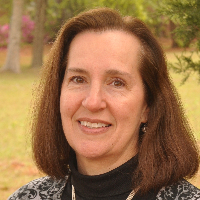
Denise Owen, LCSW
Licensed in North Carolina · 34 years in practice
Denise Owen is a Licensed Clinical Social Worker who helps people manage anxiety, depression, grief, relationship strain, parenting stress, addiction, and life transitions.
License and registration
- LCSW, North Carolina
- C001100 · expires January 2028
- NPI
- 1841965597 · national provider identifier
- Years in practice
- 34
- Languages
- English
Details are as listed on the therapist's public professional profile. You can check any license with the state board and any NPI with the national registry.
About Denise
Denise Owen is a Licensed Clinical Social Worker who helps people manage anxiety, depression, grief, relationship strain, parenting stress, addiction, and life transitions. She draws on decades of practice to guide straightforward conversations and practical steps. Her tone is calm and down-to-earth, and she treats each person as an individual with their own goals.
She has worked in social work since the mid-1980s and earned a Master of Social Work before beginning clinical practice in 1990.
Background and approach
Over more than three decades she has worked in inpatient and outpatient settings, medical hospitals, state psychiatric care, and military contexts across several states. That background informs how she approaches complex or long-standing concerns. Denise typically begins by assessing a person’s needs and then collaborates on which approaches to try.
She values building rapport before moving into deeper therapeutic work and will change direction if an approach isn’t helpful. Her methods include cognitive behavioral techniques, acceptance-based and mindfulness strategies, and client-centered listening. Outside of clinical work she has taught community college psychology and home-school classes on a wide range of subjects.
She has also written two children’s books inspired by her family. Those interests shape a flexible, curious style in sessions. People who choose Denise can expect clear goal-setting, practical tools for day-to-day life, and a collaborative decision-making process.
She frames therapy as a skill people practice over time and aims to make sessions useful and doable in real life.
Focus areas and approaches
Everything Denise lists on their public professional profile, in their own terms.
- Stress, Anxiety
- Relationship issues
- Grief
- Parenting issues
- Self esteem
- Addictions
- LGBT
- Family conflicts
- Trauma and abuse
- Intimacy-related issues
- Eating disorders
- Sleeping disorders
- Anger management
- Career difficulties
- Bipolar disorder
- Depression
- Coping with life changes
- ADHD
- Blended family issues
- Caregiver issues and stress
- Communication problems
- Control issues
- Coping with natural or human-caused disaster
- Divorce and separation
- Domestic violence
- Drug and alcohol addiction
- Family problems
- Gender dysphoria
- Guilt and shame
- Hoarding
- Hospice and end-of-life counseling
- Infidelity
- Isolation / loneliness
- Jealousy
- Life purpose
- Midlife crisis
- Obsessions, compulsions, and OCD
- Post-traumatic stress
- Social anxiety and phobia
- Women's issues
- Workplace issues
- Young adult issues
Approaches Denise names
- Acceptance and Commitment Therapy (ACT)
- Client-Centered Therapy
- Cognitive Behavioral Therapy (CBT)
- Dialectical Behavior Therapy (DBT)
- Mindfulness Therapy
- Motivational Interviewing
- Narrative Therapy
- Psychodynamic Therapy
- Solution-Focused Therapy
Naming an approach is not evidence of training in it. This directory copies what each therapist lists and does not check training records.
Online support
How therapy approaches translate to online care
Denise uses cognitive behavioral therapy to help people notice unhelpful thoughts and try practical behavior changes. CBT is useful for anxiety, depression, and managing day-to-day problems by testing ideas and building new habits.She also draws on Acceptance and Commitment Therapy, which focuses on clarifying values and taking small meaningful steps even when uncomfortable feelings are present. ACT can help with ongoing stress, life transitions, and problems that recur over time.
Choosing the right approach is a collaborative process. The therapist will assess your needs, talk through goals, and suggest methods to try together. If one way doesn’t fit, she will adapt the plan so it matches your preferences and what actually helps.
Online sessions are offered as video calls, phone sessions, live chat, or text-based messaging to fit different schedules and needs. Video lets people use visual cues and teach skills in real time. Phone sessions work well when bandwidth is limited or when someone prefers not to be on camera. Live chat and messaging are useful for shorter check-ins, coping skills practice, or when a quick mood check is needed between longer sessions.
These options make it easier to fit therapy into a busy life, while still working directly with a licensed professional to set goals and practice new ways of coping.
We will earn a commission if you sign up through our link, at no cost to you. It does not change what you pay or the order of the listings.
Questions people ask
What concerns does she commonly support?
She works with stress, anxiety, depression, grief, relationship and intimacy issues, parenting strain, addictions, ADHD, and many life changes.
What is her therapeutic style like?
Her style is collaborative and down-to-earth. She focuses on building rapport, setting clear goals, and using practical tools that people can use between sessions.
How much clinical experience does she have?
She has 34 years of experience in social work and has been licensed as a clinical social worker since 1993.
Where is she based and what credential does she hold?
She is located in North Carolina and holds a Licensed Clinical Social Worker credential (NC LCSW).
Which languages are supported in sessions?
Sessions are offered in English.
What session formats are available?
She offers video calls, phone sessions, live chat, and text-based messaging for flexible online work.
How does billing and cost work?
Cost varies with location and therapist availability and uses a subscription model that can be canceled at any time.
How do I begin working with her?
Click the Start Therapy button, complete a short matching questionnaire, and then schedule sessions based on therapist availability.
More therapists in North Carolina
See allRobert Lindsay
LCSW
Forward-focused therapist for practical change
- Stress, Anxiety
- Relationship
- Family

La Kevia Moore
LCSW
Practical, evidence-based support for stress and trauma
- Stress, Anxiety
- Trauma and abuse
- Self esteem

Aimee Campbell Culler
LCSW
Experienced LCSW providing steady support
- Stress, Anxiety
- Addictions
- Relationship

Angela Greene-Junior
LCSW, LISW-CP
Compassionate LCSW focused on practical change
- Stress, Anxiety
- Addictions
- Relationship
Is this your profile?
Ask us to correct details or take the page down.
Contact us