
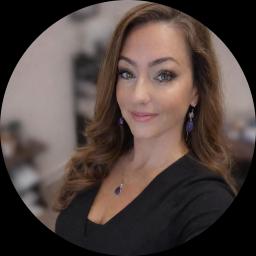
Ruth Vivian, LCSW
Licensed in Delaware · 5 years in practice
Ruth Vivian is a licensed clinical social worker (LCSW) practicing in Delaware.
License and registration
- LCSW, Delaware
- Q1-0012094 · expires January 2027
- NPI
- 1912657578 · national provider identifier
- Years in practice
- 5
- Languages
- English
Details are as listed on the therapist's public professional profile. You can check any license with the state board and any NPI with the national registry.
About Ruth
Ruth Vivian is a licensed clinical social worker (LCSW) practicing in Delaware. She focuses on helping people manage stress, anxiety, substance use concerns, and trauma. Ruth keeps sessions straightforward and practical so parents and busy people can follow along even on a phone screen.
Ruth draws on a mix of trauma-focused methods and relational work to address problems that feel overwhelming. She helps people name patterns that cause pain and develop small, doable skills for coping.
Background and approach
Sessions often include breathing or grounding tools, clearer communication strategies, and steps to reduce substance use when that is a concern. When trauma or past hurts are part of the picture, Ruth uses approaches aimed at processing memories and easing strong reactions. She also uses longer-term psychodynamic ideas to look at repeating relationship patterns.
Together these approaches help people understand why they react the way they do and try new ways of relating. Ruth has five years of clinical experience working across a wide range of concerns, including grief, parenting strains, eating and body image issues, attachment struggles, and mood disorders. She works with people who identify as LGBT and supports issues around intimacy and self-esteem.
Her style is collaborative and down-to-earth. Ruth asks practical questions, sets clear goals, and adjusts tools to fit each person’s life. She welcomes international clients and conducts sessions in English.
Focus areas and approaches
Everything Ruth lists on their public professional profile, in their own terms.
- Stress, Anxiety
- Addictions
- Family conflicts
- Trauma and abuse
- Coping with life changes
- LGBT
- Relationship issues
- Grief
- Intimacy-related issues
- Eating disorders
- Parenting issues
- Anger management
- Self esteem
- Career difficulties
- Bipolar disorder
- Depression
- Abandonment
- Attachment issues
- Autism and Asperger Syndrome
- Blended family issues
- Body image
- Caregiver issues and stress
- Chronic pain, illness, and disability
- Codependency
- Communication problems
- Control issues
- Coping with natural or human-caused disaster
- Dissociation
- Domestic violence
- Drug and alcohol addiction
- Emptiness
- Family of origin issues
- Family problems
- First responder issues
- Forgiveness
- Guilt and shame
- Impulsivity
- Intellectual disability
- Isolation / loneliness
- Life purpose
- Panic disorder and panic attacks
- Post-traumatic stress
- Self-harm
- Self-love
- Sexual assault and abuse
- Trichotillomania
- Women's issues
- Young adult issues
Approaches Ruth names
- Dialectical Behavior Therapy (DBT)
- Eye Movement Desensitization and Reprocessing (EMDR)
- Psychodynamic Therapy
- Trauma-Focused Therapy
- Internal Family Systems
Naming an approach is not evidence of training in it. This directory copies what each therapist lists and does not check training records.
Online support
Therapeutic approaches that translate to online care
Ruth uses Dialectical Behavior Therapy, which teaches concrete skills for managing intense emotions, tolerating distress, and improving relationships. DBT is helpful for people who need step-by-step tools to handle strong feelings and reduce reactive behaviors.She also uses EMDR, a trauma-focused method that helps process upsetting memories so they cause less disturbance in daily life. EMDR is often used when past events continue to trigger strong reactions or flashbacks.
Finding the right approach is part of the work. Ruth will talk with each person about goals and preferences and then recommend a plan. She checks in regularly and adapts methods so sessions stay practical and relevant to everyday life.
Online therapy with Ruth includes video calls, phone sessions, live chat, or text-based messaging to match different needs. Video visits are useful for longer sessions and face-to-face conversation. Phone appointments can be simpler when bandwidth is limited or during a short break. Live chat and text messaging make it easier to check in between sessions, share brief updates, or use coaching-style prompts without scheduling a full call.
We will earn a commission if you sign up through our link, at no cost to you. It does not change what you pay or the order of the listings.
Questions people ask
What concerns does Ruth commonly address?
She works with stress, anxiety, depression, bipolar mood issues, substance use and trauma-related problems. Additional focuses include grief, self-esteem, body image, parenting strains, and relationship difficulties.
What is Ruth's therapy style like?
Her approach blends practical skills with deeper exploration of relationship patterns. Sessions mix coping tools, communication work, and processing of difficult memories when needed.
How much clinical experience does she have?
Ruth has five years of experience in mental health practice. That experience includes work on addictions, trauma and family-related concerns.
What are Ruth's credentials and where does she practice?
She is a licensed clinical social worker, LCSW, licensed in Delaware. Her professional practice is based in Delaware.
Can I meet with Ruth if I live outside the United States?
Sessions are offered to international clients. All sessions with Ruth are conducted in English.
Which session formats does she offer?
Ruth provides video calls, phone sessions, live chat, and text-based messaging to fit different schedules and needs.
How does billing and cost work for sessions?
Cost varies with location and therapist availability and uses a subscription model. The subscription can be canceled at any time.
What should I do to begin working with Ruth?
Start by selecting the Start Therapy button, complete the short matching questionnaire, and then schedule a session according to her availability.
More therapists in Delaware
See allDaniel Norvell
LCSW
Compassionate, practical support for personal growth
- Stress, Anxiety
- Addictions
- LGBT

Shayna Schaefer
LCSW
Practical, person-centered therapy for life changes
- Stress, Anxiety
- Family
- Self esteem


Stephanie Rodriguez
LCSW
Compassionate support for stress and trauma
- Stress, Anxiety
- Relationship
- Trauma and abuse
Is this your profile?
Ask us to correct details or take the page down.
Contact us