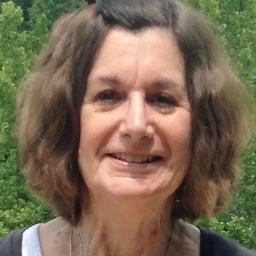
Barbara Vincent, LCSW
Licensed in Missouri · 15 years in practice
Barbara Vincent is a Licensed Clinical Social Worker with 15 years of experience.
License and registration
- LCSW, Missouri
- 003493 · expires September 2026
- NPI
- 1144709726 · national provider identifier
- Years in practice
- 15
- Languages
- English
Details are as listed on the therapist's public professional profile. You can check any license with the state board and any NPI with the national registry.
About Barbara
Barbara Vincent is a Licensed Clinical Social Worker with 15 years of experience. She focuses on practical, walk-through sessions that help people facing relationship struggles, mood concerns, anxiety, and life changes. She speaks plainly and helps clients build skills they can use between sessions.
Barbara draws on attachment-based and client-centered methods to help people understand patterns in close relationships. She also uses cognitive behavioral therapy and dialectical behavior therapy tools to teach coping skills for intense emotions and day-to-day stress.
Background and approach
Her work includes trauma-informed techniques such as EMDR to address painful memories when appropriate. In sessions she follows the lead of the person in front of her. Clients set the goals and she helps identify the next manageable step.
She uses multi-sensory methods when words alone do not capture what someone needs to process. Barbara has treated a wide range of concerns, including bipolar disorder, depression, addiction, grief, and identity-related issues. She also supports people dealing with parenting strain, sleep and eating disruptions, anger, and career stress.
Additional focuses include attachment wounds, codependency, and communication problems. Her clinical background includes work in personal and state hospitals and community mental health centers in Missouri. That experience shaped a practical style that emphasizes skill-building and real-life application.
She encourages people to try changes between sessions and review what does and does not help.
Focus areas and approaches
Everything Barbara lists on their public professional profile, in their own terms.
- Relationship issues
- Self esteem
- Bipolar disorder
- Depression
- Coping with life changes
- Stress, Anxiety
- Addictions
- LGBT
- Family conflicts
- Trauma and abuse
- Grief
- Intimacy-related issues
- Eating disorders
- Sleeping disorders
- Parenting issues
- Anger management
- Career difficulties
- Compassion fatigue
- ADHD
- Abandonment
- Attachment issues
- Codependency
- Communication problems
- Control issues
- Disruptive Mood Dysregulation Disorder (DMDD)
- Domestic violence
- Emptiness
- Forgiveness
- Gender dysphoria
- Guilt and shame
- Hearing impaired
- Intellectual disability
- Isolation / loneliness
- Jealousy
- Life purpose
- Midlife crisis
- Mood disorders
- Multicultural concerns
- Panic disorder and panic attacks
- Paranoia
- Personality disorders
- Phobias
- Post-traumatic stress
- Self-harm
- Sexuality
- Social anxiety and phobia
- Women's issues
- Workplace issues
- Young adult issues
Approaches Barbara names
- Attachment-Based Therapy
- Client-Centered Therapy
- Cognitive Behavioral Therapy (CBT)
- Dialectical Behavior Therapy (DBT)
- Eye Movement Desensitization and Reprocessing (EMDR)
- Mindfulness Therapy
- Motivational Interviewing
- Psychodynamic Therapy
- Solution-Focused Therapy
- Trauma-Focused Therapy
Naming an approach is not evidence of training in it. This directory copies what each therapist lists and does not check training records.
Online support
How therapeutic approaches translate to online care
Attachment-Based Therapy focuses on patterns in close relationships and helps people understand how early bonds affect current connections. Online sessions can use discussion and reflective exercises to spot repeating patterns and practice new ways of relating. Client-Centered Therapy centers the person's own goals and pace; the therapist offers empathy and gentle guidance while the client leads the conversation. This approach works well in shorter check-ins or longer video sessions where the person sets the agenda. Cognitive Behavioral Therapy, or CBT, teaches specific skills to change unhelpful thoughts and behaviors. In online work CBT often includes guided worksheets, behavior experiments, and homework that can be reviewed in follow-up messages.Finding the right mix of approaches is part of the process. The therapist will collaborate with each person to choose methods that match their needs, goals, and comfort level. That may mean starting with client-centered work, adding CBT skills, and later using trauma-focused methods if needed. The plan can be adjusted as progress is reviewed together.
Online therapy offers flexible ways to fit support into a busy life. Video calls allow full conversation and visual cues. Phone sessions can be easier when lower bandwidth or hands-free time is needed. Live chat and text-based messaging make short check-ins, skill practice, and progress updates simple between sessions. These options help people access consistent care without long commutes or schedule disruption.
We will earn a commission if you sign up through our link, at no cost to you. It does not change what you pay or the order of the listings.
Questions people ask
What concerns does she address?
Barbara works with a wide range of concerns including anxiety, depression, bipolar disorder, addictions, trauma and relationship issues. She also supports people facing grief, identity questions, parenting strain, and career stress.
What is her therapy style like?
Her style is practical and client-led. She combines attachment-based and client-centered work with CBT and DBT skills to help people manage emotions and change patterns.
How much clinical experience does she have?
She brings 15 years of experience to her practice and has worked in personal hospitals, state hospitals, and community mental health centers in Missouri.
What are her credentials and location?
She is a Licensed Clinical Social Worker - LCSW - practicing in Missouri.
Which languages are supported?
Sessions are offered in English.
What session formats are available?
Sessions can be conducted by video calls, phone sessions, live chat, or text-based messaging to suit different needs and schedules.
How are sessions paid for?
Cost varies with location and therapist availability; sessions use a subscription that can be canceled at any time.
How do I begin working with her?
Start by selecting the Start Therapy button, complete a short matching questionnaire, and then schedule sessions according to therapist availability.
More therapists in Missouri
See all
Barbara Fotsch
LCSW
Practical, down-to-earth therapy for real life
- Stress, Anxiety
- Addictions
- Parenting


Teresa Nichols
LCSW
Positive, practical support for lasting change
- Stress, Anxiety
- Addictions
- Relationship

Is this your profile?
Ask us to correct details or take the page down.
Contact us