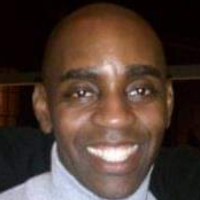
Dr. Titus Tucker, LICSW, LCSW
Licensed in Florida · 23 years in practice
Dr. Titus Tucker welcomes people who are feeling overwhelmed, stuck, or unsure about next steps.
License and registration
- LCSW, Florida
- SW17509 · expires March 2027
- LICSW, District of Columbia
- LC200003554 · expires April 2028
- NPI
- 1912510702 · national provider identifier
- Years in practice
- 23
- Languages
- English
Details are as listed on the therapist's public professional profile. You can check any license with the state board and any NPI with the national registry.
About Titus
Dr. Titus Tucker welcomes people who are feeling overwhelmed, stuck, or unsure about next steps. He aims to make the first conversation straightforward and respectful so someone can quickly say what matters most to them.
He has 23 years of experience as a licensed clinical social worker. That includes a Washington-style listing: DC LICSW and Florida LCSW, listed here as credentials. He works from a practical, down-to-earth stance and focuses on clear goals and steps you can try between sessions.
Background and approach
In sessions he listens carefully and helps people name patterns that cause pain. He often assists with anxiety, depression, grief, addictions, relationship and intimacy concerns, and work-related stress. He also supports people dealing with identity questions, gender dysphoria, and loneliness.
Dr. Tucker uses tools from cognitive behavioral and acceptance-based approaches, client-centered methods, mindfulness, and motivational interviewing. He explains each option and helps people decide what fits their needs and values.
Sessions are conversational and aim for useful change, not jargon. He brings experience with attachment issues, communication problems, codependency, infidelity, and career concerns. People who want a thoughtful, steady guide through life transitions and complicated emotions may find his approach helpful.
Focus areas and approaches
Everything Titus lists on their public professional profile, in their own terms.
- Stress, Anxiety
- Addictions
- LGBT
- Grief
- Depression
- Relationship issues
- Family conflicts
- Trauma and abuse
- Intimacy-related issues
- Anger management
- Self esteem
- Career difficulties
- Bipolar disorder
- Coping with life changes
- Compassion fatigue
- Abandonment
- Antisocial personality
- Attachment issues
- Avoidant personality
- Codependency
- Commitment issues
- Communication problems
- Dependent personality
- First responder issues
- Forgiveness
- Gender dysphoria
- Guilt and shame
- Infidelity
- Isolation / loneliness
- Life purpose
- Men's issues
- Money and financial issues
- Polyamory / non-monogamous relationships
- Sexual assault and abuse
- Sexuality
- Social anxiety and phobia
- Workplace issues
Approaches Titus names
- Acceptance and Commitment Therapy (ACT)
- Client-Centered Therapy
- Cognitive Behavioral Therapy (CBT)
- Mindfulness Therapy
- Motivational Interviewing
- Narrative Therapy
- Psychodynamic Therapy
- Solution-Focused Therapy
Naming an approach is not evidence of training in it. This directory copies what each therapist lists and does not check training records.
Online support
How online approaches are used in therapy
Dr. Tucker often draws on Acceptance and Commitment Therapy and Cognitive Behavioral Therapy in online sessions. ACT helps people clarify what matters to them and take small actions toward those values, which is useful for anxiety, grief, and life changes. CBT focuses on spotting unhelpful thoughts and testing them with simple behavioral experiments, which can reduce worry and improve mood.He also uses client-centered techniques to create a listening space where people can feel heard and sort through identity, relationship, or career concerns. Finding the right mix of methods is a collaborative process; he will discuss options and tailor the approach to each person's goals and preferences.
Online formats include video calls, phone sessions, live chat, and text-based messaging. Video calls allow face-to-face conversation and screen sharing for worksheets. Phone sessions can be easier when bandwidth is low or a shorter check-in is needed. Live chat and messaging support shorter exchanges, ongoing check-ins, and practical coaching between longer sessions. These options make scheduling easier and help people fit therapy into busy lives.
We will earn a commission if you sign up through our link, at no cost to you. It does not change what you pay or the order of the listings.
Questions people ask
What kinds of concerns does he address?
He helps people with stress, anxiety, depression, grief, addictions, relationship and intimacy issues, career stress, and related concerns such as shame or isolation.
What is his therapeutic style like?
His style is conversational and goal-focused. He mixes client-centered listening with practical exercises drawn from cognitive and acceptance-based approaches.
How much clinical experience does he have?
He brings 23 years of experience as a licensed clinical social worker working with a range of emotional and interpersonal issues.
Where is he licensed to practice?
He holds a DC LICSW and a Florida LCSW and practices from Florida.
Which languages are supported for sessions?
Sessions are offered in English.
Can people outside the United States work with him?
International clients are not currently accepted.
What session formats are offered?
He works via video calls, phone sessions, live chat, and text-based messaging.
How does billing and getting started work?
Cost varies with location and availability and uses a subscription that can be canceled at any time. To begin, click Start Therapy, complete the short matching questionnaire, and schedule based on the therapist's openings.
More therapists in Florida
See allAmeenah Wright-Troutman
LCSW
Compassionate, practical support for life transitions
- Stress, Anxiety
- Grief
- Self esteem


Dr. Virginia Clark
LCSW
Experienced LCSW supporting life changes
- Stress, Anxiety
- Addictions
- Trauma and abuse
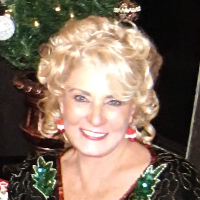
Carolyn Allen
LCSW
Compassionate practical support for everyday challenges
- Stress, Anxiety
- Self esteem
- Career

Is this your profile?
Ask us to correct details or take the page down.
Contact us