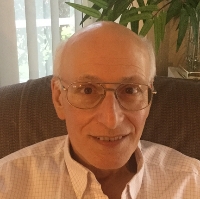
Dr. Scott Anstadt, LCSW, LSCSW
Licensed in Arizona · 36 years in practice
Dr. Scott Anstadt meets people where they are and helps them work through life changes, loss, anxiety, addiction, and mood concerns.
License and registration
- LCSW, Arizona
- LCSW-10218 · expires April 2027
- LSCSW, Kansas
- LSCSW 3660 · expires August 2026
- NPI
- 1891737029 · national provider identifier
- Years in practice
- 36
- Languages
- English
Details are as listed on the therapist's public professional profile. You can check any license with the state board and any NPI with the national registry.
About Scott
Dr. Scott Anstadt meets people where they are and helps them work through life changes, loss, anxiety, addiction, and mood concerns. He speaks plainly and focuses on practical steps a person can use between sessions.
Scott has a straightforward, caring style that parents and adults often find easy to follow. He brings 36 years of experience to his work and holds LCSW and LSCSW credentials. Scott has taught at the university level and has long experience with individual and group formats.
Background and approach
He often supports people coping with grief, aging and geriatric issues, and major life transitions. Scott blends several well-known approaches to fit each person's needs. He uses Acceptance and Commitment Therapy and Cognitive Behavioral Therapy to help change unhelpful patterns.
Attachment-Based and Client-Centered ideas guide how he attends to relationships and emotional safety. Sessions are structured to be flexible. He can shorten or lengthen contacts and add coaching-style check-ins when that helps.
That flexibility lets him tailor pacing for work, parenting, or caregiving schedules. His practice covers a wide range of concerns, including stress, depression, trauma and abuse, intimacy issues, eating and sleeping struggles, ADHD, and compassion fatigue. Scott also addresses relationship and communication problems, polyamory or non-monogamous relationship questions, and multicultural concerns.
Scott works with people in Kansas and also accepts international clients. He offers video calls, phone sessions, live chat, and text-based messaging to fit different needs and routines.
Focus areas and approaches
Everything Scott lists on their public professional profile, in their own terms.
- Stress, Anxiety
- Addictions
- Grief
- Depression
- Coping with life changes
- LGBT
- Relationship issues
- Family conflicts
- Trauma and abuse
- Intimacy-related issues
- Eating disorders
- Sleeping disorders
- Parenting issues
- Anger management
- Self esteem
- Career difficulties
- Bipolar disorder
- Coaching
- Compassion fatigue
- ADHD
- Aging and geriatric issues
- Attachment issues
- Commitment issues
- Communication problems
- Divorce and separation
- Forgiveness
- Guilt and shame
- Isolation / loneliness
- Life purpose
- Mood disorders
- Multicultural concerns
- Narcissism
- Polyamory / non-monogamous relationships
- Post-traumatic stress
- Self-love
- Social anxiety and phobia
Approaches Scott names
- Acceptance and Commitment Therapy (ACT)
- Attachment-Based Therapy
- Client-Centered Therapy
- Cognitive Behavioral Therapy (CBT)
- Existential Therapy
- Mindfulness Therapy
- Motivational Interviewing
- Narrative Therapy
- Solution-Focused Therapy
- Internal Family Systems
Naming an approach is not evidence of training in it. This directory copies what each therapist lists and does not check training records.
Online support
How specific approaches translate to online therapy
Acceptance and Commitment Therapy (ACT) focuses on helping people notice painful thoughts and feelings without getting ruled by them. It uses simple exercises and values-based goals to help a person take meaningful action despite discomfort, which can be useful for anxiety, depression, and life transitions.Cognitive Behavioral Therapy (CBT) looks at the link between thoughts, feelings, and actions. In sessions he helps people spot unhelpful thinking patterns and practice small behavioral changes that reduce distress and improve daily functioning.
Attachment-Based ideas shape how he attends to relationship patterns and emotional connection. That helps when intimacy, communication, or long-standing relationship wounds are part of the problem.
Finding the right approach is part of the work. The therapist will collaborate with each person to decide which methods fit their goals and preferences. That collaborative process may include trying a strategy, reviewing how it feels, and adjusting the plan together.
Online formats offer practical benefits for busy lives. Video calls allow face-to-face conversation when a longer session or deeper exploration is needed. Phone sessions can be a good low-bandwidth option or a shorter check-in. Live chat and text-based messaging let people send brief updates, try short coaching contacts, or stay connected between sessions. Together these options make it easier to fit therapy around work, parenting, caregiving, and travel.
We will earn a commission if you sign up through our link, at no cost to you. It does not change what you pay or the order of the listings.
Questions people ask
What difficulties does this therapist help address?
He helps with stress, anxiety, depression, grief, addictions, trauma and abuse, relationship and intimacy issues, parenting strain, sleep and eating problems, ADHD, and related concerns.
What is the therapist's overall approach in sessions?
Sessions are practical and direct, focusing on skills you can use between meetings. He blends ACT, CBT, attachment, and client-centered ideas to match each person's needs.
How long has he been practicing and what background does he bring?
He brings 36 years of clinical and academic experience and has taught clinical courses at the university level.
What credentials and location are listed for this clinician?
He holds LCSW and LSCSW credentials and practices from Kansas.
Are sessions available in languages other than English or from other countries?
Sessions are offered in English and international clients are accepted.
Which session formats are offered for therapy?
He offers video calls, phone sessions, live chat, and text-based messaging to provide flexible ways to connect.
How is cost handled for sessions?
Cost varies with location and therapist availability; sessions use a subscription that can be canceled at any time.
What are the first steps to begin working together?
Click the Start Therapy button, complete a short matching questionnaire, and then schedule sessions according to therapist availability.
More therapists in Kansas
See allLauren Moret-Glass
LSCSW, LCSW
Practical, respectful therapy for life changes
- Stress, Anxiety
- Relationship
- Trauma and abuse

Kimberly Johnson
LSCSW, LCSW
Practical support for stress and life changes
- Stress, Anxiety
- Parenting
- Self esteem
D'Ambra Ramsey
LCSW, LSCSW
Warm, practical therapy for everyday challenges
- Stress, Anxiety
- Relationship
- Intimacy-related issues

Jenny Infanger
LCSW
Mindful, practical therapy for everyday struggles
- Stress, Anxiety
- Relationship
- Trauma and abuse

Is this your profile?
Ask us to correct details or take the page down.
Contact us