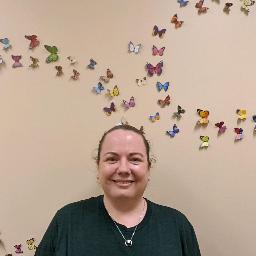
Sarah Axley, LCSW
Licensed in Virginia · 15 years in practice
Sarah Axley welcomes people who are feeling stuck, overwhelmed, or burned out and need straightforward support.
License and registration
- LCSW, Virginia
- 0904008055 · expires June 2026
- NPI
- 1457604597 · national provider identifier
- Years in practice
- 15
- Languages
- English
Details are as listed on the therapist's public professional profile. You can check any license with the state board and any NPI with the national registry.
About Sarah
Sarah Axley welcomes people who are feeling stuck, overwhelmed, or burned out and need straightforward support. She is a Licensed Clinical Social Worker (LCSW) with 15 years of clinical experience. Sarah meets people where they are and focuses on practical steps they can use between sessions.
Sarah blends clear talk with hands-on skill building. She helps with stress, anxiety, depression, grief, addictions, self-esteem, sleep problems, and major life changes. She also supports people facing trauma, relationship concerns, parenting strain, bipolar mood challenges, and identity questions related to LGBT issues.
Background and approach
Her approach centers on the person in front of her. Sarah uses client-centered conversations to understand your priorities. She pairs that with cognitive behavioral techniques to spot unhelpful thinking and learn new behaviors.
Mindfulness strategies and motivational interviewing techniques are added when they fit the goal. Sarah trained at Virginia Commonwealth University and completed a postbaccalaureate certificate in aging studies through VCU’s Gerontology department. She has worked in outpatient clinics, intensive community programs, and hospitals, and she currently holds a VA LCSW license.
Those roles gave her experience with a wide range of concerns, including chronic illness, caregiver stress, and end-of-life issues. Sessions include short assignments to practice between meetings. Sarah frames therapy as teamwork - she helps people build skills, try new ways of thinking, and improve communication.
If you want practical help with day-to-day struggles, she aims to make the process clear and usable.
Focus areas and approaches
Everything Sarah lists on their public professional profile, in their own terms.
- Stress, Anxiety
- Addictions
- Grief
- Self esteem
- Depression
- LGBT
- Relationship issues
- Family conflicts
- Trauma and abuse
- Sleeping disorders
- Parenting issues
- Anger management
- Bipolar disorder
- Coping with life changes
- Aging and geriatric issues
- Autism and Asperger Syndrome
- Caregiver issues and stress
- Chronic pain, illness, and disability
- Co-morbidity
- Codependency
- Communication problems
- Drug and alcohol addiction
- Family of origin issues
- Family problems
- First responder issues
- Guilt and shame
- Hospice and end-of-life counseling
- Intellectual disability
- Isolation / loneliness
- Jealousy
- Life purpose
- Mood disorders
- Panic disorder and panic attacks
- Self-love
- Social anxiety and phobia
- Women's issues
- Young adult issues
Approaches Sarah names
- Client-Centered Therapy
- Cognitive Behavioral Therapy (CBT)
- Mindfulness Therapy
- Motivational Interviewing
- Narrative Therapy
- Solution-Focused Therapy
Naming an approach is not evidence of training in it. This directory copies what each therapist lists and does not check training records.
Online support
Practical approaches for online therapy and daily life
Sarah often uses client-centered therapy, which focuses on listening closely and shaping sessions around what matters most to the person. This approach helps clarify priorities and keeps the work grounded in real concerns.She also uses cognitive behavioral therapy (CBT) to identify patterns of thinking that worsen mood or anxiety and to practice small behavior changes that lead to relief. CBT can be helpful for sleep problems, worry, and low mood. Mindfulness therapy is another element of her work - simple attention and breathing practices to reduce reactivity and improve focus during stressful moments.
Choosing the right approach is a collaborative process. The therapist will talk with each person about goals, daily routines, and what has or hasn’t worked before. Together they decide which techniques to try and adjust them as needed so the plan fits the client's life.
Online formats include video calls, phone sessions, live chat, and text-based messaging. Video is useful for deeper conversation and nonverbal cues. Phone sessions can be easier when bandwidth is limited or when someone prefers not to be on camera. Live chat and text messaging offer shorter check-ins and flexible touchpoints between sessions. These options make it easier to fit therapy into busy schedules and to keep working on goals from wherever is most convenient.
We will earn a commission if you sign up through our link, at no cost to you. It does not change what you pay or the order of the listings.
Questions people ask
What kinds of problems does this therapist address?
She helps with stress, anxiety, depression, grief, addictions, self-esteem, sleep issues, parenting strain, and coping with life changes, among other concerns.
What is her general therapy style?
Her style is collaborative and practical. She uses client-centered conversation, cognitive behavioral techniques, mindfulness, and motivational interviewing to set clear goals and build skills.
How long has she been providing psychotherapy?
She has 15 years of clinical experience working in outpatient clinics, community-based settings, and hospital environments.
What credentials and location are listed for this therapist?
She is a Licensed Clinical Social Worker (LCSW) with a VA LCSW credential and practices from Virginia.
Which languages are sessions offered in and can international clients connect?
Sessions are offered in English and international clients are accepted.
What session formats are available for working with her?
She offers video calls, phone sessions, live chat, and text-based messaging to match different needs and schedules.
How does pricing work for sessions?
Cost varies with location and therapist availability; sessions use a subscription model that can be canceled at any time.
What are the first steps to begin therapy with her?
To get started, select the Start Therapy button, complete a short matching questionnaire, and schedule sessions according to therapist availability.
More therapists in Virginia
See all
Dr. Kayla Thorne
LCSW
Supportive LCSW focused on practical change
- Stress, Anxiety
- Trauma and abuse
- Self esteem

Delores Smith
LCSW
Compassionate practical therapy for life changes
- Stress, Anxiety
- Relationship
- Grief
Is this your profile?
Ask us to correct details or take the page down.
Contact us