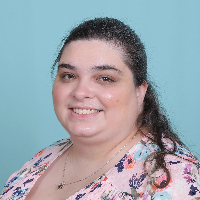
Rebecca Burda, LCSW
Licensed in Wisconsin · 9 years in practice
Rebecca Burda is a Licensed Clinical Social Worker with nine years of experience.
License and registration
- LCSW, Wisconsin
- 8958-123 · expires February 2027
- LICSW, Minnesota
- 34034 · expires July 2026
- LCSW, Tennessee
- 9503 · expires July 2026
- LCSW, Illinois
- 149.030026 · expires November 2027
- NPI
- 1679030894 · national provider identifier
- Years in practice
- 9
- Languages
- English
Details are as listed on the therapist's public professional profile. You can check any license with the state board and any NPI with the national registry.
About Rebecca
Rebecca Burda is a Licensed Clinical Social Worker with nine years of experience. She offers straightforward, down-to-earth support for people facing stress, anxiety, mood struggles, parenting challenges, and trauma. Her style is direct and warm, aimed at helping someone feel understood and steady in day-to-day life.
She typically works with children, adolescents, young adults, and parents or caregivers. Rebecca uses clear goals and practical steps so clients know what to expect in sessions.
Background and approach
She combines person-centered conversation with structured techniques to address symptoms and patterns that get in the way. Her background includes work with depression, PTSD, Autism, ADHD, bipolar disorder, and people managing cognitive differences alongside mental health needs. She also focuses on adoption and foster care issues, blended family concerns, caregiver stress, and problems tied to family of origin.
Rebecca brings experience with anger, self-esteem, isolation, and life transitions. Rebecca draws from several therapeutic approaches. She offers Cognitive Behavioral Therapy to help change unhelpful thoughts and behaviors, Dialectical Behavior Therapy skills for emotion regulation, and EMDR when trauma processing is appropriate.
Mindfulness and client-centered practices are woven into sessions to build awareness and steady presence. She aims to match treatment to each person's goals. Sessions are practical and collaborative, with skills to use between meetings and space to talk through painful experiences.
Rebecca looks to help clients build coping tools and clearer direction for their lives.
Focus areas and approaches
Everything Rebecca lists on their public professional profile, in their own terms.
- Stress, Anxiety
- Trauma and abuse
- Parenting issues
- Depression
- ADHD
- Relationship issues
- Family conflicts
- Anger management
- Self esteem
- Bipolar disorder
- Coping with life changes
- Compassion fatigue
- Adoption and foster care
- Autism and Asperger Syndrome
- Blended family issues
- Caregiver issues and stress
- Communication problems
- Disruptive Mood Dysregulation Disorder (DMDD)
- Family of origin issues
- Family problems
- Guilt and shame
- Impulsivity
- Intellectual disability
- Isolation / loneliness
- Life purpose
- Mood disorders
- Panic disorder and panic attacks
- Postpartum depression
- Post-traumatic stress
- Pregnancy and childbirth
- Self-harm
- Self-love
- Sexual assault and abuse
- Social anxiety and phobia
- Women's issues
- Young adult issues
Approaches Rebecca names
- Client-Centered Therapy
- Cognitive Behavioral Therapy (CBT)
- Dialectical Behavior Therapy (DBT)
- Eye Movement Desensitization and Reprocessing (EMDR)
- Mindfulness Therapy
- Motivational Interviewing
- Trauma-Focused Therapy
Naming an approach is not evidence of training in it. This directory copies what each therapist lists and does not check training records.
Online support
Approaches that guide online sessions
Rebecca often uses Cognitive Behavioral Therapy to help people spot unhelpful thoughts and try new behaviors; it is useful for anxiety, panic, depression, and motivational blocks. Dialectical Behavior Therapy skills are offered to teach emotion regulation, distress tolerance, and clearer communication when feelings run high. She also integrates Client-Centered Therapy, which focuses on listening closely and shaping the work around each person's experience and goals.Finding the right approach is part of the work together. The therapist will discuss which methods might fit a person's needs and goals, and adjust the plan as progress and preferences become clearer. This is a collaborative process that balances structured skills work with open conversation.
Online therapy is offered through video calls, phone sessions, live chat, or text-based messaging, giving flexibility for different days and schedules. Video works well for longer sessions and teaching skills; phone calls can be easier when bandwidth is limited or for quick check-ins. Live chat and text messaging are useful for shorter check-ins, progress updates, or when posting a thought between sessions. These options make it easier to fit therapy into work, school, or caregiving routines and maintain continuity over time.
We will earn a commission if you sign up through our link, at no cost to you. It does not change what you pay or the order of the listings.
Questions people ask
What concerns does Rebecca commonly address?
She helps people with stress, anxiety, depression, trauma and abuse, parenting worries, ADHD, bipolar disorder, anger, low self-esteem, and coping with life changes.
What is her therapy style like?
Rebecca combines person-centered conversation with practical techniques. Sessions are direct, compassionate, and aimed at clear goals and usable skills.
What experience does she bring to sessions?
She has nine years of clinical experience and has worked with people across ages and diagnoses, including autism, PTSD, mood disorders, and cognitive differences alongside mental health needs.
Where is Rebecca licensed and based?
Rebecca is a Licensed Clinical Social Worker (LCSW) licensed in Illinois and Wisconsin and practices from Wisconsin.
Which languages are supported?
Sessions are offered in English and Rebecca accepts international clients.
How are sessions offered?
Sessions can be scheduled as video calls, phone sessions, live chat, or text-based messaging to fit different needs and routines.
How much do sessions cost?
Cost varies with location and therapist availability; sessions use a subscription model that can be canceled at any time.
What are the steps to begin working together?
Start by selecting the Start Therapy button, complete a short matching questionnaire, then schedule based on the therapist's availability.
More therapists in Wisconsin
See all
Bryan Krause
LCSW
Compassionate, practical support for life challenges
- Stress, Anxiety
- Relationship
- Family

Brittany Russotto
LCSW
Compassionate, practical care for daily struggles
- Stress, Anxiety
- Addictions
- Eating

Gary Swan
LCSW
Practical, steady support for stress and relationships
- Stress, Anxiety
- Addictions
- Relationship

Is this your profile?
Ask us to correct details or take the page down.
Contact us