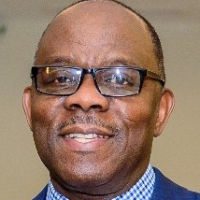
Dr. Emmanuel Bioh, LCSW
Licensed in New York · 24 years in practice
Dr. Emmanuel Bioh uses a client-centered approach that keeps the person's goals front and center.
License and registration
- LCSW, New York
- 081988 · expires November 2028
- NPI
- 1326455692 · national provider identifier
- Years in practice
- 24
- Languages
- English, Akan
Details are as listed on the therapist's public professional profile. You can check any license with the state board and any NPI with the national registry.
About Emmanuel
Dr. Emmanuel Bioh uses a client-centered approach that keeps the person's goals front and center. He is a licensed clinical social worker in New York with 24 years of experience.
He speaks English and Akan and brings practical steps to everyday problems like stress, anxiety, parenting strain, addiction, and grief. He focuses on clear, doable strategies rather than jargon. Sessions often include talking through problems, building coping skills, and planning small changes that fit a person's life.
Background and approach
He draws on methods such as cognitive behavioral techniques and attachment-based ideas to help people understand patterns and try different responses. Dr. Bioh has worked across behavioral health and addiction settings and has overseen clinical programs at nonprofit organizations.
He also supervises in substance abuse rehabilitation and teaches social work practice at local universities. That background guides a realistic, experience-based way of working with complex concerns. Common topics he addresses include relationship tensions, parenting challenges, trauma and abuse, self-esteem, anger, and navigating life changes.
He also supports people facing discrimination, isolation, or questions about life purpose. Sessions are tailored so the approach matches the concern and the person's preferences. People can expect collaborative planning, straightforward skill-building, and attention to how problems show up in daily life.
Dr. Bioh aims to help clients make steady, manageable progress toward clearer relationships and better coping.
Focus areas and approaches
Everything Emmanuel lists on their public professional profile, in their own terms.
- Stress, Anxiety
- Addictions
- Family conflicts
- Parenting issues
- Depression
- LGBT
- Relationship issues
- Trauma and abuse
- Grief
- Intimacy-related issues
- Anger management
- Self esteem
- Coping with life changes
- Antisocial personality
- Attachment issues
- Blended family issues
- Caregiver issues and stress
- Communication problems
- Disruptive Mood Dysregulation Disorder (DMDD)
- Guilt and shame
- Isolation / loneliness
- Life purpose
- Prejudice and discrimination
Approaches Emmanuel names
- Attachment-Based Therapy
- Client-Centered Therapy
- Cognitive Behavioral Therapy (CBT)
- Dialectical Behavior Therapy (DBT)
- Emotionally-Focused Therapy (EFT)
- Mindfulness Therapy
- Motivational Interviewing
- Narrative Therapy
- Psychodynamic Therapy
- Solution-Focused Therapy
- Trauma-Focused Therapy
Naming an approach is not evidence of training in it. This directory copies what each therapist lists and does not check training records.
Online support
How his approaches work in online therapy
Attachment-Based Therapy focuses on how early and current relationships shape feelings and reactions. Online sessions using this lens help people notice patterns in close relationships and practice different ways of connecting and responding.Cognitive Behavioral Therapy (CBT) breaks problems into thoughts, feelings, and behaviors. In teletherapy this often means identifying unhelpful thoughts, testing them in everyday life, and building practical skills to reduce anxiety, depression, or addictive behaviors.
Finding the right approach is part of the work. He will talk with clients about their goals and preferences and suggest methods that fit those needs. That decision is collaborative and can be adjusted over time as progress or new concerns appear.
Online formats offer flexibility for different situations. Video calls are useful when visual cues help the conversation. Phone sessions can be simpler when bandwidth is limited or a quieter check-in is needed. Live chat and text-based messaging make it easier to fit short updates or quick coping reminders into a busy day. These options let people keep momentum and consistency while working toward clearer relationships and better coping skills.
We will earn a commission if you sign up through our link, at no cost to you. It does not change what you pay or the order of the listings.
Questions people ask
What kinds of problems does he address?
He helps people with stress, anxiety, depression, addiction, grief, trauma, relationship and intimacy issues, parenting and family concerns, anger, self-esteem, and coping with life changes.
What is his general style in sessions?
His style is practical and client-centered. He talks through problems, teaches coping skills, and helps plan small changes that fit daily life.
How long has he been practicing?
He has 24 years of professional experience in mental health and addictions work, including supervisory and teaching roles.
Where is he licensed and based?
He is a licensed clinical social worker (LCSW) in New York and practices from that location.
What languages are supported during sessions?
Sessions are offered in English and Akan.
Which session formats are available?
He provides video calls, phone sessions, live chat, and text-based messaging.
How is cost handled?
Costs vary with location and therapist availability; sessions use a subscription that can be canceled at any time.
How do I begin working with him?
Start by selecting the Start Therapy button, complete a short matching questionnaire, and then schedule a session based on therapist availability.
More therapists in New York
See all
LaTisha Honor
LCSW
Compassionate guidance for relationship and self issues
- Relationship
- Trauma and abuse
- Intimacy-related issues
Is this your profile?
Ask us to correct details or take the page down.
Contact us