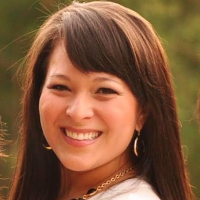
Maria Reymundo, LCSW, LICSW
Licensed in Illinois · 10 years in practice
Maria Reymundo uses a collaborative, client-centered approach to help people make real change.
License and registration
- LCSW, Illinois
- 149015398 · expires November 2027
- LCSW, Louisiana
- 12051 · expires August 2026
- LICSW, Washington
- LW61077727 · expires November 2026
- NPI
- 1770102162 · national provider identifier
- Years in practice
- 10
- Languages
- English, Spanish
Details are as listed on the therapist's public professional profile. You can check any license with the state board and any NPI with the national registry.
About Maria
Maria Reymundo uses a collaborative, client-centered approach to help people make real change. She invites clients to take an active role in their own progress and focuses on building a strong working relationship. Maria holds a Master of Social Work and brings a decade of clinical experience to her practice.
She mixes practical strategies from cognitive behavioral therapy with mindfulness and solution-focused techniques. That combination helps people reduce anxiety, manage mood symptoms, and respond differently to stressful situations.
Background and approach
Dialectical behavior therapy skills are also used when emotion regulation and distress tolerance are priorities. Maria has worked in inpatient psychiatry, community mental health, internal medicine settings, addiction treatment centers, and a university counseling center. That variety has given her experience with depression, anxiety, trauma, adjustment concerns, and substance-related challenges.
She describes her approach as strength-based and trauma-informed, helping people learn skills that make goals more reachable. She speaks both English and Spanish and has experience with multicultural populations in and outside the United States. Maria is licensed as a Licensed Clinical Social Worker - LCSW and also holds a Washington LICSW credential, and she practices from Louisiana.
Sessions focus on clear, achievable steps. Conversations tend to be practical and focused on what someone can do between meetings to feel better and move toward their goals.
Focus areas and approaches
Everything Maria lists on their public professional profile, in their own terms.
- Stress, Anxiety
- Relationship issues
- Intimacy-related issues
- Self esteem
- Depression
- Addictions
- Family conflicts
- Trauma and abuse
- Grief
- Eating disorders
- Parenting issues
- Anger management
- Bipolar disorder
- Coping with life changes
- Compassion fatigue
- Attachment issues
- Body image
- Communication problems
- Control issues
- Family of origin issues
- Family problems
- Forgiveness
- Guilt and shame
- Immigration issues
- Isolation / loneliness
- Life purpose
- Midlife crisis
- Mood disorders
- Multicultural concerns
- Seasonal Affective Disorder (SAD)
- Self-love
- Social anxiety and phobia
- Women's issues
- Workplace issues
- Young adult issues
Approaches Maria names
- Client-Centered Therapy
- Cognitive Behavioral Therapy (CBT)
- Dialectical Behavior Therapy (DBT)
- Mindfulness Therapy
- Solution-Focused Therapy
- Internal Family Systems
Naming an approach is not evidence of training in it. This directory copies what each therapist lists and does not check training records.
Online support
Online approaches and how they work
Client-centered therapy focuses on understanding each person's experience and building a trusting relationship so they can set their own goals and take steps toward them. Cognitive behavioral therapy looks at unhelpful thinking and behavior patterns and teaches clear strategies to change those patterns, which can help with anxiety, depression, and stress. Dialectical behavior therapy adds skills for managing intense emotions and tolerating distress, useful when mood swings or strong reactions interfere with daily life.Picking the right approach is a collaborative process. The therapist will work with each person to decide which methods fit their needs, goals, and preferences. That choice can change over time as progress is made and new priorities emerge.
Online sessions offer practical flexibility. Video calls allow face-to-face conversation and visual cues. Phone sessions work well when bandwidth is limited or you prefer not to be on camera. Live chat and text-based messaging make it easier to check in between sessions or fit short conversations into a busy day. These options help people keep momentum and use the tools learned in therapy in everyday life.
We will earn a commission if you sign up through our link, at no cost to you. It does not change what you pay or the order of the listings.
Questions people ask
What concerns does this therapist help with?
She supports people facing stress, anxiety, depression, mood and adjustment problems, grief, trauma, and addiction-related challenges, among other issues.
What is her general therapy style?
Her style is collaborative and client-centered, using practical skills from CBT, DBT, mindfulness, and solution-focused methods to help people meet their goals.
What kind of clinical background does she have?
She has 10 years of direct clinical experience across inpatient psychiatry, community mental health, internal medicine, addiction centers, and a university counseling center.
Which credentials and location apply?
She holds LCSW and LICSW credentials and practices from Louisiana.
Can sessions be conducted in other languages?
Sessions are offered in English and Spanish.
What session formats are available?
Sessions are available via video calls, phone sessions, live chat, or text-based messaging.
How does cost and billing work?
Cost varies with location and therapist availability; sessions use a subscription that can be canceled at any time.
How do I begin working with her?
Use the Start Therapy button, complete a short matching questionnaire, and schedule according to therapist availability.
More therapists in Louisiana
See allChristina Dolese
LCSW
Compassionate therapist helping people build stronger coping skills
- Stress, Anxiety
- Grief
- Parenting


Deborah Youngblood
LCSW
Compassionate, practical therapy for everyday struggles
- Stress, Anxiety
- Relationship
- Family
Sontra Carmouche
LCSW
Practical, client-focused support for life changes
- Stress, Anxiety
- Self esteem
- Career
Is this your profile?
Ask us to correct details or take the page down.
Contact us