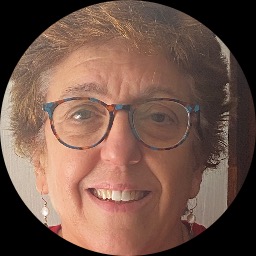
Marcia Pontoni, LCSW
Licensed in California · 25 years in practice
Marcia Pontoni is a Licensed Clinical Social Worker with 25 years of experience helping people navigate major life stresses.
License and registration
- LCSW, California
- 18141 · expires February 2026
- NPI
- 1316147994 · national provider identifier
- Years in practice
- 25
- Languages
- English
Details are as listed on the therapist's public professional profile. You can check any license with the state board and any NPI with the national registry.
About Marcia
Marcia Pontoni is a Licensed Clinical Social Worker with 25 years of experience helping people navigate major life stresses. She focuses on depression, anxiety, grief, relationship pain, and addiction issues. Her style is caring and straightforward, and she aims to make therapy feel practical and manageable.
Marcia draws from client-centered work to keep sessions focused on each person’s needs. She also uses cognitive behavioral ideas to help people notice and change unhelpful thinking and behavior.
Background and approach
Mindfulness strategies are woven in to help with stress and emotion regulation. Sessions are shaped around what each person brings. Marcia listens, asks clear questions, and together they set small, achievable goals.
She adapts talk and exercises to suit someone dealing with loss, caregiving, medical concerns, or ongoing stressors like work and family conflict. Many people seek her support for intimacy problems, communication breakdowns, jealousy, and codependency. She also assists those coping with serious illness, hospice and end-of-life concerns, or aging-related changes.
Trauma and domestic violence are within her scope of work, approached with sensitivity and care. Marcia primarily works via video calls and phone sessions, and she also uses live chat and text messaging as needed. She describes therapy as a collaborative process and aims to help people feel more able to handle life’s challenges.
Focus areas and approaches
Everything Marcia lists on their public professional profile, in their own terms.
- LGBT
- Relationship issues
- Grief
- Depression
- Coping with life changes
- Stress, Anxiety
- Addictions
- Family conflicts
- Trauma and abuse
- Intimacy-related issues
- Anger management
- Compassion fatigue
- Aging and geriatric issues
- Cancer
- Codependency
- Communication problems
- Control issues
- Divorce and separation
- Domestic violence
- Family of origin issues
- Family problems
- Forgiveness
- Gender dysphoria
- Guilt and shame
- Hospice and end-of-life counseling
- Infidelity
- Jealousy
- Life purpose
- Midlife crisis
- Mood disorders
- Postpartum depression
- Prejudice and discrimination
- Self-harm
- Women's issues
- Workplace issues
- Young adult issues
Approaches Marcia names
- Client-Centered Therapy
- Cognitive Behavioral Therapy (CBT)
- Mindfulness Therapy
- Motivational Interviewing
- Psychodynamic Therapy
Naming an approach is not evidence of training in it. This directory copies what each therapist lists and does not check training records.
Online support
How Marcia Uses Therapeutic Methods Online
Client-centered therapy focuses on the person in front of the therapist. It means the therapist listens closely, follows what matters most to the client, and adapts the pace and topics to each session. This approach helps when someone needs a safe space to talk through relationships, grief, or life changes.Cognitive behavioral therapy, or CBT, looks at the links between thoughts, feelings, and actions. In short exercises and talk, a person learns to spot patterns that fuel anxiety or depression and practices small changes that can make daily life easier.
Mindfulness practices teach simple attention and breathing skills to reduce stress and improve emotional balance. These tools pair well with talk-based work when someone faces ongoing worry, caregiving strain, or intense emotions.
Finding the right mix of approaches is part of the work. The therapist will collaborate with each person to choose methods that match their goals, needs, and preferences. That way sessions feel relevant and useful rather than one-size-fits-all.
Online therapy makes these approaches flexible. Video calls allow face-to-face conversation, phone sessions fit into a busy day or low bandwidth situations, and live chat or text messaging can support brief check-ins or between-session work. These options make it easier to maintain regular visits and practice skills where they will be used most.
We will earn a commission if you sign up through our link, at no cost to you. It does not change what you pay or the order of the listings.
Questions people ask
What issues does Marcia help with?
She works with depression, anxiety, grief, relationship and intimacy issues, addiction concerns, stress, trauma, and compassion fatigue, among other focuses.
What is her approach in sessions?
Her style is client-centered and collaborative, using cognitive behavioral tools and mindfulness to address thoughts, emotions, and behavior.
How much clinical experience does she have?
She has 25 years of professional experience providing mental health support in a range of settings.
Where is she licensed and based?
She practices in California and is a Licensed Clinical Social Worker, listed as LCSW.
Which languages are supported for sessions?
Sessions are offered in English.
What session formats are available?
Clients can use video calls, phone sessions, live chat, or text-based messaging for therapy.
How are fees and payments handled?
Cost varies with location and therapist availability; sessions are provided through a subscription plan that can be canceled at any time.
How do I begin working with her?
Start by selecting the Start Therapy button, complete the short matching questionnaire, and schedule sessions based on the therapist's availability.
More therapists in California
See allDeneta Jones-Udefi
LCSW
Practical support for relationships and personal growth
- Relationship
- Parenting
- Self esteem


Kendall Jones
LCSW
Calm guidance for grief, anxiety, and relationship struggles
- Stress, Anxiety
- LGBT
- Trauma and abuse

Mark Saverino
LCSW
Compassionate, practical support for life's hard moments
- Stress, Anxiety
- Grief
- Anger

Is this your profile?
Ask us to correct details or take the page down.
Contact us